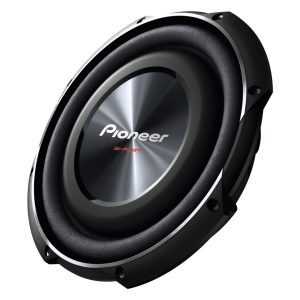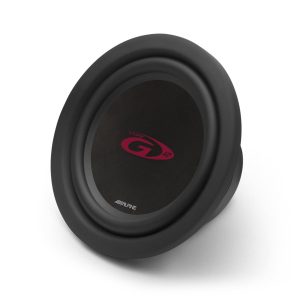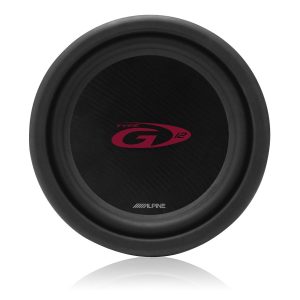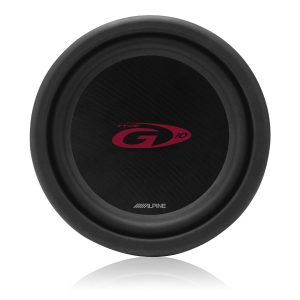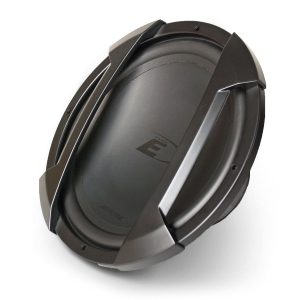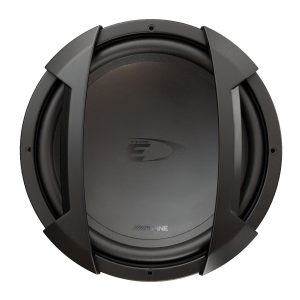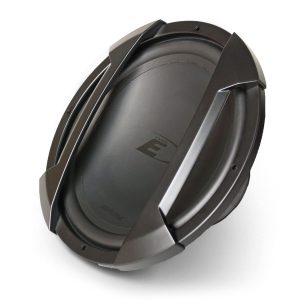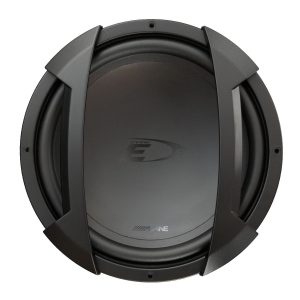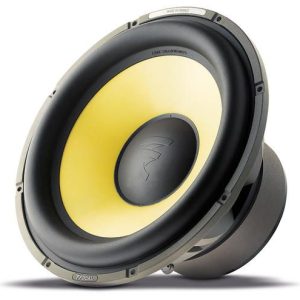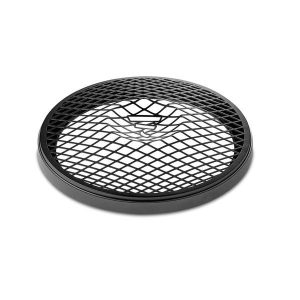
Steg SQS12 Subwoofer
470,00 €
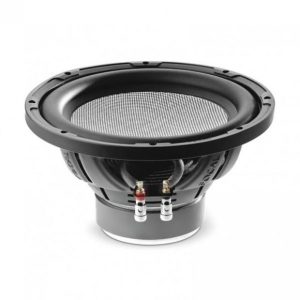
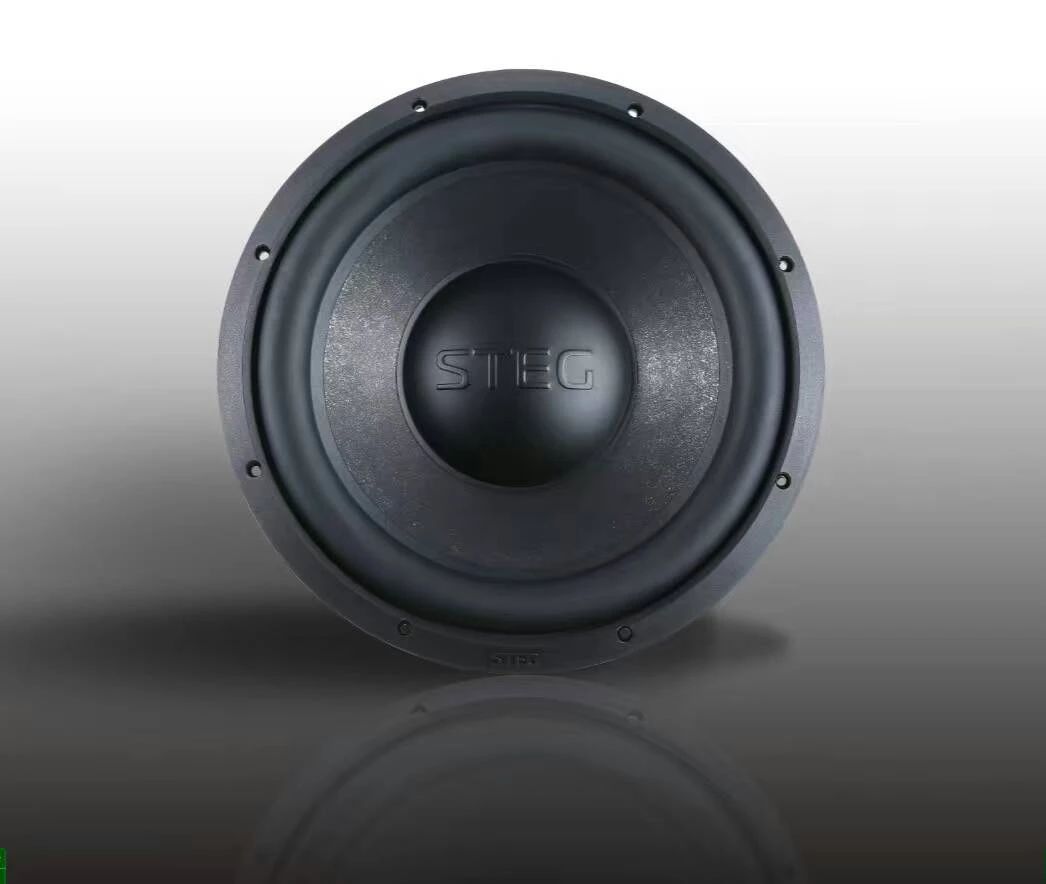
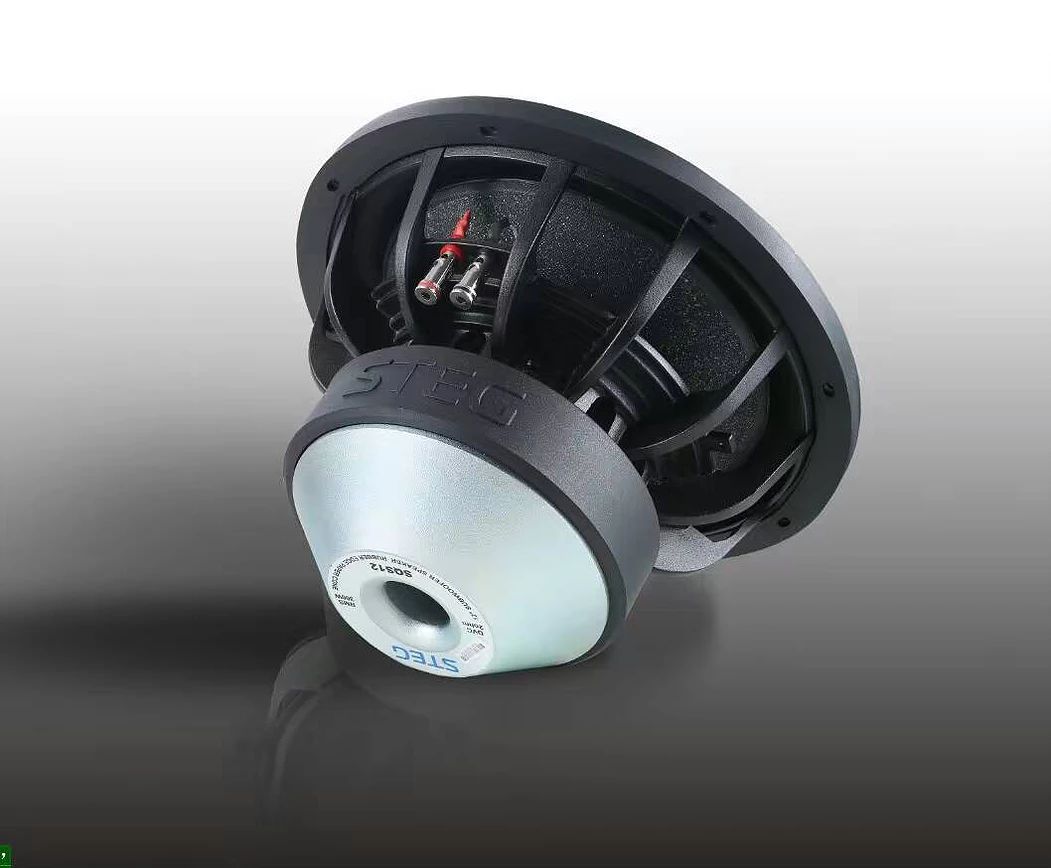
Steg SQS12 subwoofer is designed for a custom car audio bass system. This 12-inch model handles 600 W RMS of total continuous power. Its dual 2-ohm voice coils can be wired for a 1- or 4-ohm load to suit the amplifier. The paper cone uses a rubber surround, and installation requires a 280 mm cutout. This is a separate driver, so the enclosure and amplifier must be selected independently.
Steg SQS12 subwoofer is a 12-inch car audio driver designed for a custom subwoofer system. Its total continuous power handling is 600 W RMS. The dual voice-coil design provides two practical amplifier load options.
This model is intended for buyers who want to select the enclosure, amplifier, and system settings separately. It is not an active subwoofer or a driver supplied in a ready-made enclosure.
What this subwoofer is designed for
The SQS12 is used to reproduce low frequencies in a car audio system. It requires a properly designed enclosure and a power amplifier. The signal must be filtered by the amplifier, an audio processor, or another suitable device in the system.
The nominal 12-inch size is important when planning the available space in the boot and the future enclosure. However, the nominal size alone is not enough to determine the required mounting cutout or enclosure depth.
Construction and installation dimensions
The paper cone moves within a rubber surround. The surround connects the cone to the driver structure and allows it to move while reproducing low frequencies.
The mounting diameter is 280 mm, while the outside diameter is 320 mm. These measurements are not interchangeable. The smaller measurement specifies the mounting cutout, while the larger one describes the outside space occupied by the driver.
Before making the enclosure’s front panel, leave enough supporting material around the cutout. Determine the required enclosure depth using the actual driver, as the diameter measurements alone do not provide enough information for this purpose.
Voice-coil wiring and amplifier load
The subwoofer has two 2-ohm voice coils. Wiring the coils in parallel produces a final load of 1 ohm. Wiring them in series produces a 4-ohm load.
Choose the 1-ohm configuration only if the amplifier is stable at that load. Otherwise, use the 4-ohm series configuration. Always assess the amplifier’s output at the final impedance created by the chosen wiring arrangement.
Both coils must be connected with matching polarity. Incorrect polarity may cause the coils to work against each other and interfere with the cone’s movement. One coil should not be left disconnected as an arbitrary substitute for using the other.
Understanding power handling and sensitivity
The 2 × 300 W RMS rating describes the continuous power handling of the two voice coils. The total continuous rating is 600 W RMS. This figure is not a promise of maximum momentary power or achievable volume.
Compare amplifier power with the RMS rating at the actual final load of either 1 or 4 ohms. Correct amplifier adjustment is equally important. Excessive input sensitivity can cause signal distortion before a useful listening level is reached.
The 86.5 dB sensitivity figure was measured under 1 W/1 m conditions. It is meaningful to compare this number only with drivers whose sensitivity is specified under the same measurement conditions.
Enclosure and placement in the car
The enclosure volume and type must be calculated separately. A 12-inch nominal size does not indicate the correct enclosure volume or bass-reflex port dimensions. Choosing a ready-made enclosure solely because its cutout appears suitable may lead to an incorrect result.
Sealed and bass-reflex enclosures shape low-frequency reproduction differently. Match the final design to the desired result, the available space, and the selected amplifier. An arbitrarily chosen universal enclosure volume should not be assigned to this model.
Before permanently securing the enclosure, test its orientation in the boot. The direction of the subwoofer or bass-reflex port can change the level heard inside the cabin. Evaluate the result from the normal driving position rather than beside the open boot.
Integrating it with the audio system
Because this is a separate driver, its level and filtering are controlled by the connected amplifier or processor. Begin with low amplifier input sensitivity. Increase it only until the subwoofer reaches a balanced relationship with the front speakers.
Set the low-pass filter so that the subwoofer blends smoothly with the vehicle’s main speakers. Setting the filter too high may make the location of the low-frequency source more noticeable.
If the equipment in the system allows phase adjustment, compare the available settings while listening from the driver’s seat. Keep the setting that provides the smoothest transition between the SQS12 and the front speakers.
Technical specifications
| Type | Car subwoofer driver |
|---|---|
| Nominal size | 12 inches (30 cm) |
| Continuous power handling | 2 × 300 W RMS, 600 W RMS total |
| Voice coils | Dual 2-ohm voice coils, 2 + 2 ohms |
| Available wiring loads | 1 ohm in parallel or 4 ohms in series |
| Sensitivity | 86.5 dB at 1 W/1 m |
| Cone | Paper |
| Surround | Rubber |
| Mounting diameter | 280 mm |
| Outside diameter | 320 mm |
FAQ
Is this a complete, ready-to-use subwoofer?
No. It is a separate driver without a ready-made enclosure, integrated amplifier, or controls. The enclosure, amplifier, and filtering must all be included in the system design.
What load will the amplifier see?
When the voice coils are wired in parallel, the amplifier will see a 1-ohm load. When they are wired in series, it will see a 4-ohm load. The chosen configuration must remain within the amplifier’s stable operating range.
Can I connect only one voice coil?
Use both voice coils and maintain matching polarity. This subwoofer is designed as a dual voice-coil model, so the wiring plan should include the complete pair of coils.
Will the subwoofer fit my existing enclosure?
Compare the enclosure cutout with the mounting diameter and check the outside space occupied by the driver. You must also measure the enclosure depth and internal clearance. A matching nominal driver size alone does not confirm that it will fit.
How should I choose the enclosure type?
Choose it according to the desired reproduction characteristics, the available space, and an individual acoustic design. Do not use an arbitrary universal volume simply because the enclosure is described as suitable for a 12-inch driver.
Is it intended for a home stereo or cinema system?
This model is designed for a car audio system. It is not a powered home speaker that can be connected directly. It requires a separate amplifier, an enclosure, and suitable signal filtering.
Does the SQS12 have a volume control?
No. The subwoofer level is adjusted using an external amplifier or audio processor.
Can I select an amplifier based on maximum power?
Select the amplifier according to continuous RMS power at the final wiring impedance. A reliable maximum-power rating is not provided for this model, so it should not be used as the basis for amplifier selection.