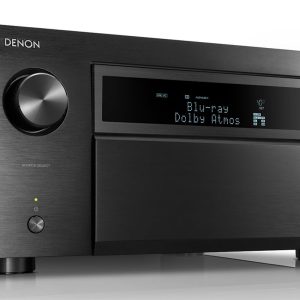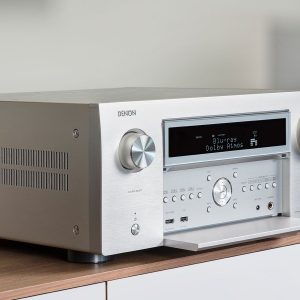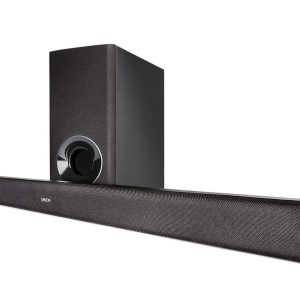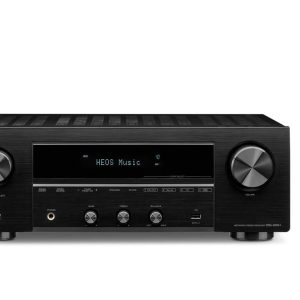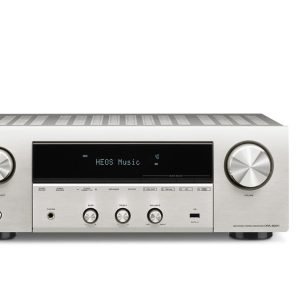
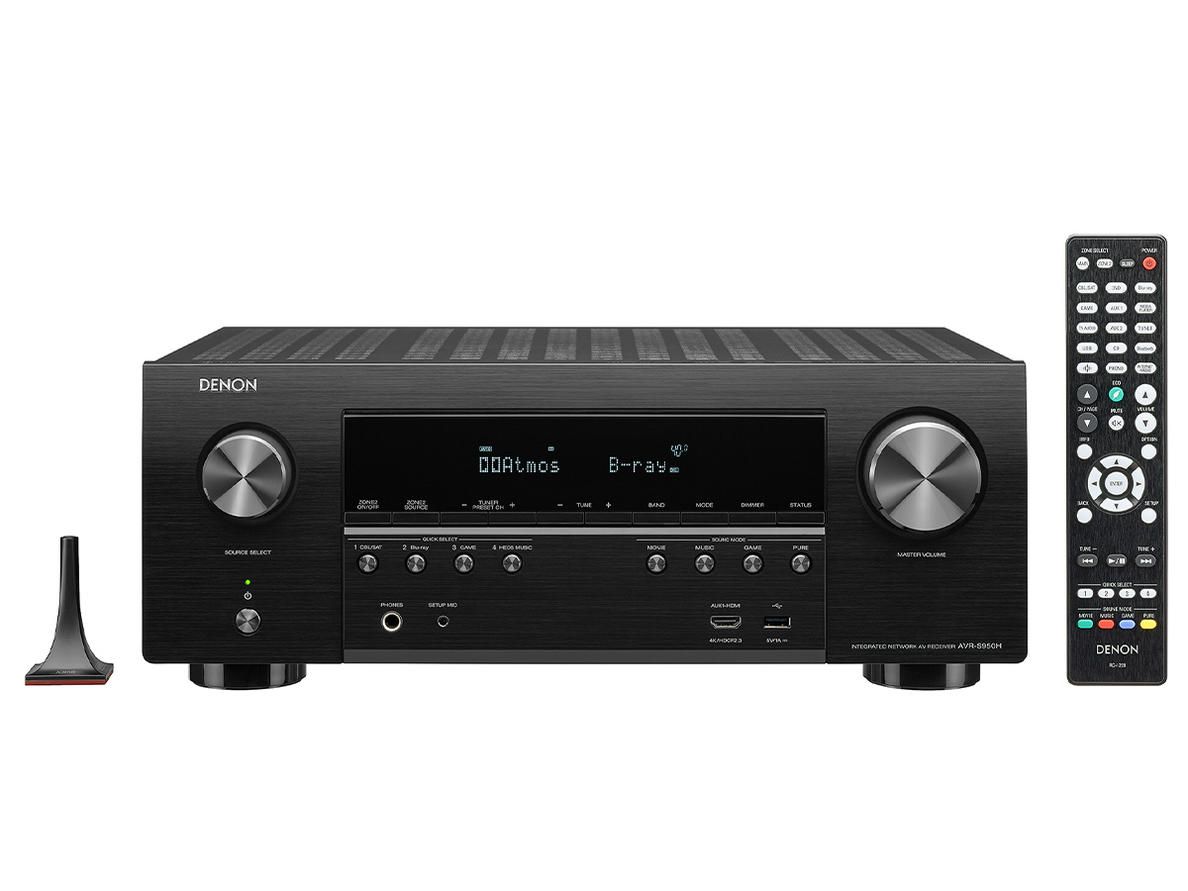

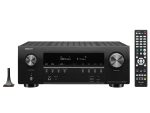
Denon AVR-X950H AV Receiver
699,00 €
The Denon AVR-X950H is an AV receiver designed for a home cinema system. It serves as the central unit connecting audio and video sources, a display and speakers. Before choosing it, compare the connections on your existing equipment, the nominal impedance of your speakers and your planned system layout. Correctly configured speaker distances and channel levels help maintain consistent sound at the main listening position.
The Denon AVR-X950H receiver is an AV receiver designed for a home cinema system. It serves as the central control unit for audio and video equipment, connecting your chosen source devices, display and speakers.
This model is relevant when building a system in which video sources and sound need to be managed from one place. Before choosing it, the most important considerations are the connections available on your existing equipment, the specifications of your speakers and the planned system layout.
What an AV receiver is for
An AV receiver accepts signals from connected sources and sends them to the appropriate components in the system. Video is directed to a television or projector, while audio is sent to the connected speakers. This role differs from that of a conventional stereo amplifier, which is primarily intended for a two-channel music system.
Before purchasing, consult the seller’s or manufacturer’s documentation to confirm the connections, compatibility and supplied accessories for the AVR-X950H specifically. Count every source device you currently use and also allow for equipment that you may want to connect later.
Planning the connections
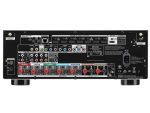
The output of each source must match a suitable input on the receiver. Consider the television, projector, disc player, media player and games console separately. The presence of a physical socket alone is not sufficient if the connected devices use incompatible signal formats.
If you want to send television audio back to the receiver, compare the audio-return capabilities of both devices. An analogue source requires a corresponding analogue input. A turntable may need a separate phono preamplifier if the input being used does not support a turntable-level signal.
Choose speaker cables according to the speaker terminals, required cable length and installation position. Route signal and speaker cables away from power cables where possible. This helps reduce the likelihood of unwanted hum.
Choosing speakers
The speakers’ nominal impedance must fall within the range permitted for the receiver. Speaker sensitivity and listening distance influence the volume that can be expected in a particular room. The amplifier is placed under greater demand in a large space or when the listening position is farther away.
When planning the system, first decide how many speakers will be used and where each one will be placed. Only then should you choose cable lengths and installation points. If a subwoofer is included in the system, it must have a suitable signal connection.
Initial setup
In the receiver settings, select only the speakers that are actually connected. Enter their distances from the main listening position, then adjust the channel levels so that the test signal sounds equally loud from that position.
If a subwoofer is used, set its crossover frequency according to the low-frequency limits of the main speakers. A setting that is too high can make the subwoofer’s location more obvious. A setting that is too low may leave an audible gap between the frequency ranges reproduced by the speakers.
Compare the subwoofer phase settings from the main listening position. Keep the setting that produces the smoother sound through the crossover region. Make the final assessment of channel balance by listening to several recordings that you know well.
Placement and ventilation
Place the receiver on a stable, level surface and leave sufficient space around the enclosure for air circulation. Do not cover the ventilation openings or squeeze the unit into an enclosed shelf.
Allow enough room for cables behind the receiver. Sharply bent connectors may loosen or prevent the equipment from being moved into position. Arrange power and signal cables so that their weight does not pull on the connections.
Technical specifications
| Manufacturer | Denon |
|---|---|
| Model | AVR-X950H |
| Device type | AV receiver |
| Intended use | Home cinema system |
FAQ
How does an AV receiver differ from a stereo amplifier?
An AV receiver is designed to manage a combined audio and video system. A stereo amplifier is primarily used for a two-channel music system.
What should I consider before choosing this model?
Ask the seller for documentation, or consult the manufacturer’s documentation, confirming the connections and supported signal formats of the AVR-X950H specifically.
How should I choose speakers?
Check the AVR-X950H manual for the permitted speaker impedance range and the connection diagram for your intended speaker layout.
How should I adjust the channel volume?
Assess the result from the main listening position. After using the test signal, check the balance again with several recordings that you know well.
Where should the receiver be placed?
Avoid enclosed shelving, covered ventilation openings and objects above the enclosure that could trap heat.
Related products