Denon PMA-60 Integrated Stereo Amplifier
599,00 €
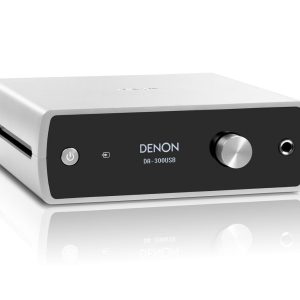
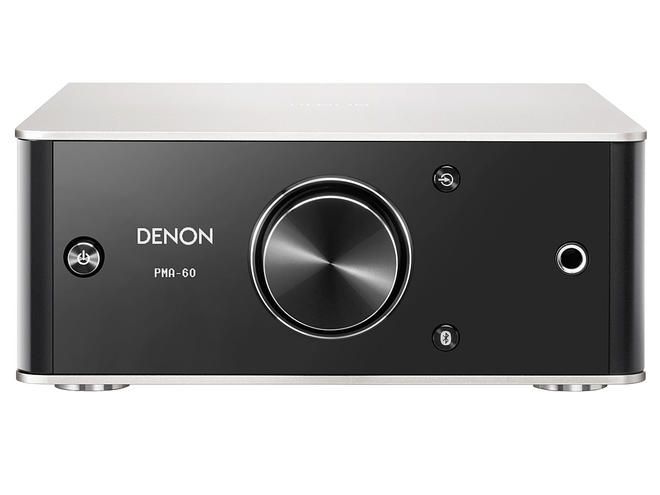
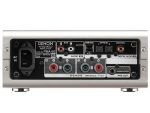
The Denon PMA-60 is a compact, fully digital integrated stereo amplifier for music from digital sources and computers. Its USB-B input accepts PCM up to 192 kHz/24-bit and 2.8 or 5.6 MHz DSD signals. Two optical inputs, one coaxial input and Bluetooth make it easier to connect different sources. The enclosure can be positioned horizontally or vertically, and the OLED display changes orientation automatically.
The Denon PMA-60 amplifier is a compact, fully digital integrated stereo amplifier designed for music playback from a computer, digital audio sources and compatible wireless devices.
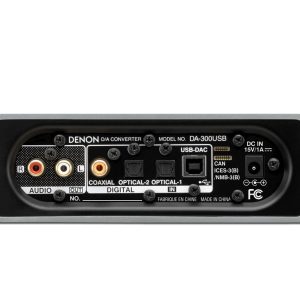
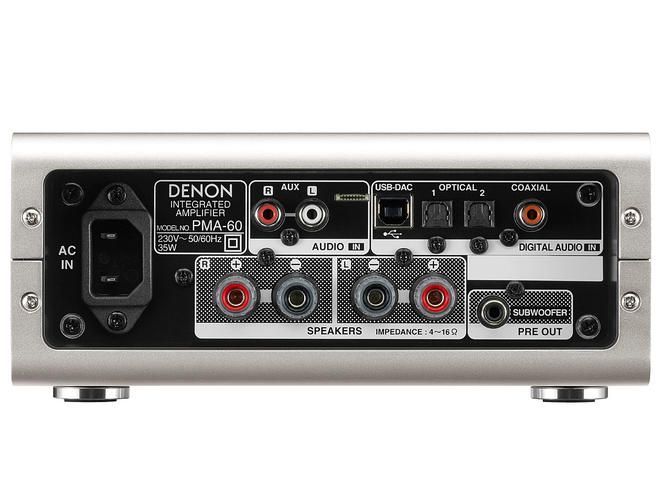
Its connections include USB-B, two optical digital inputs and one coaxial digital input. The built-in Bluetooth receiver supports aptX Low Latency, while NFC makes pairing easier with a compatible device. Separate outputs are provided for headphones and an active subwoofer.
Who is this amplifier for?
The connection options are primarily intended for digital music sources. The USB-B input is designed for computer audio, so a separate USB converter may not be necessary. The optical and coaxial inputs can be used with other devices equipped with the corresponding digital outputs.
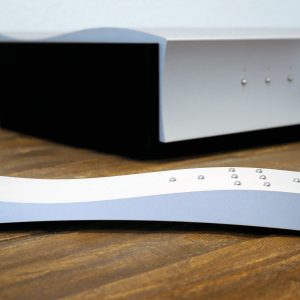
Its compact enclosure is well suited to systems where there is little room for full-size audio equipment. This makes the amplifier easier to place on a shelf, on a desk or inside an audio cabinet. It is a practical choice when you want a focused stereo system without allocating space to a conventional full-width amplifier.
Digital signal processing
Advanced AL32 Processing technology is used to process the digital audio signal. The signal path also incorporates a dedicated master DAC clock design, which coordinates the operation of the digital-to-analogue converter.
The amplifier section uses CSR DDFA technology, and the output stage has a discrete design. The stated amplifier output is 50 W with a 4-ohm load. This rating should be considered together with the specified load rather than treated as a universal output figure for every loudspeaker or operating condition.
Connecting a computer through USB-B
The USB-B input accepts PCM signals at resolutions up to 192 kHz and 24-bit. It also supports 2.8 MHz and 5.6 MHz DSD signals, allowing a computer to serve as a high-resolution music source.
The USB circuit includes an isolation block designed to isolate interference originating from the connected computer. The integrated digital-to-analogue converter, or USB DAC, processes the signal inside the amplifier. This provides a direct route from a computer to the audio system without requiring a separate external USB DAC.
Optical and coaxial inputs
Two optical digital inputs allow two digital sources to remain connected at the same time. The coaxial digital input provides an alternative for a source equipped with a matching coaxial output. Choose between these connections according to the digital output available on the source device.
Wireless music playback
The built-in Bluetooth receiver allows audio to be transmitted without a signal cable. aptX Low Latency can reduce noticeable audio delay, but the transmitting device must also support this codec for it to be used.
If aptX Low Latency is not supported at both ends of the connection, Bluetooth playback will use a mode shared by the two devices. The NFC function is intended to speed up pairing with a compatible device, which is particularly convenient when the wireless music source is changed frequently.
Headphones and bass extension
The dedicated headphone output has selectable gain. This setting allows the output to be adjusted for different headphones. Begin with the lower gain setting and increase it only if a higher output level is required.
A subwoofer output allows the stereo system to be extended with a separate active subwoofer. A passive subwoofer would require its own separate power amplifier. When using an active model, adjust the subwoofer’s own frequency and level controls to suit the main speakers and the room.
Placement and display
The enclosure can be used in either a horizontal or vertical position. The OLED display automatically changes its orientation to match the selected placement, keeping the displayed information easy to read in both arrangements.
The display shows the signal level. Vertical placement saves shelf width, while horizontal placement may integrate more naturally with conventionally arranged audio components. This flexibility makes it easier to fit the PMA-60 into a compact desktop or shelf-based system.
Technical specifications
| Type | Compact, fully digital integrated stereo amplifier |
|---|---|
| Stated output | 50 W into a 4-ohm load |
| Amplifier technology | CSR DDFA |
| Output stage | Discrete design |
| Signal processing | Advanced AL32 Processing |
| DAC clock | Dedicated master DAC clock design |
| USB-B input | PCM up to 192 kHz/24-bit; DSD 2.8 MHz and 5.6 MHz |
| Computer-noise isolation | Integrated isolation block |
| Optical digital inputs | 2 |
| Coaxial digital input | 1 |
| Wireless connectivity | Bluetooth with aptX Low Latency |
| Pairing | NFC |
| Headphone output | Yes, with selectable gain |
| Subwoofer output | Yes |
| Placement options | Horizontal and vertical |
| Display | OLED; shows the signal level and changes orientation automatically |
FAQ
Which input should I use for a computer?
The USB-B input is intended for a computer. It sends digital audio to the amplifier’s internal converter and supports high-resolution PCM and DSD signals.
How do I connect a television or another digital source?
Use an optical or coaxial input, depending on the digital output provided by the source. The two optical connections allow two separate sources to remain connected.
Will aptX Low Latency work with every Bluetooth device?
This codec is used only when the audio source also supports it. Otherwise, the connection will operate using a Bluetooth mode supported by both devices.
Can headphones be connected directly to the amplifier?
Yes. A separate headphone output is provided, and its selectable gain allows its operation to be adjusted for the headphones in use.
Can I connect a subwoofer?
Yes. The amplifier has a dedicated subwoofer output. For a direct connection, choose an active subwoofer with its own built-in amplifier.
Can the unit be placed vertically?
Yes. Both horizontal and vertical placement are supported. When the enclosure is positioned vertically, the OLED display rotates automatically.
Does this model replace a multichannel home cinema amplifier?
No. This is a stereo amplifier rather than a multichannel AV amplifier. In a home cinema setting, it can serve only as part of a stereo audio system.