Denon SC-N8 Speakers
100,00 €
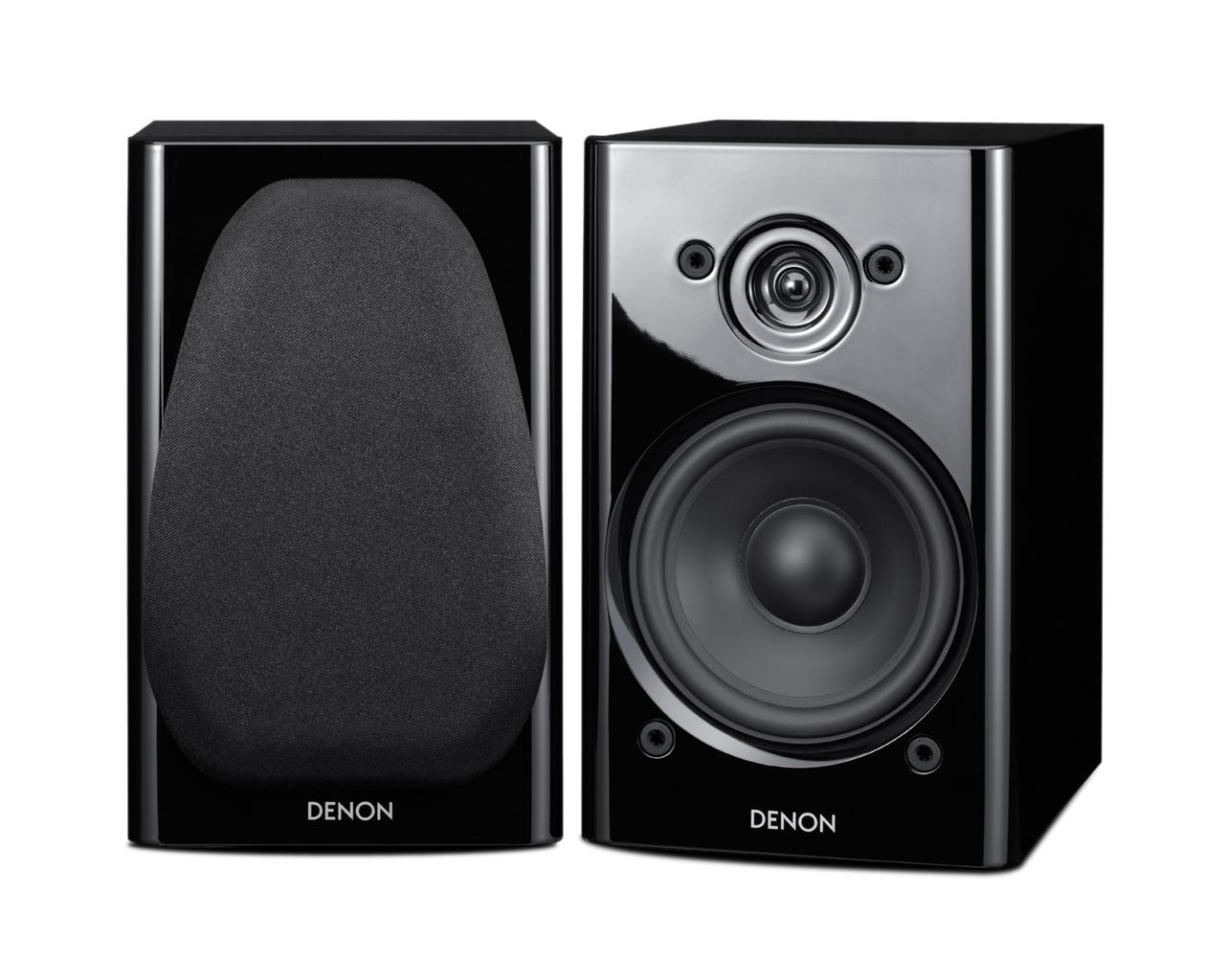
Denon SC-N8 is a two-way speaker system for listening to music at home. Separate bass/midrange drivers and tweeters divide the reproduced frequencies. The MDF cabinets are described in pearlescent white or black finishes. Screw-type terminals connect the speakers to an amplifier’s speaker outputs.
Denon SC-N8 speakers are a two-way system for listening to music at home. Each speaker uses a bass/midrange driver and a separate tweeter. The speakers have MDF cabinets and screw-type speaker terminals.
Drivers and cabinets
A two-way system divides the reproduced frequencies between two different drivers. A 12 cm driver handles bass and midrange frequencies, while a 2.5 cm balanced-dome driver handles high frequencies. When comparing speakers, this arrangement is worth considering: high frequencies have their own dedicated component.
Driver sizes describe the construction, but they cannot tell you on their own how much volume will be enough for your room or how deep the bass will sound. Consider the whole system, including your amplifier, listening distance and the places where you can position the speakers. This gives the stated design more meaning in the context of how you plan to listen.
Allow room around the MDF cabinets so you can reach the terminals at the back. The model is described with a choice of pearlescent white or black finish. You can choose a finish that suits the other visible parts of your audio system and the furniture in your room.
Think about where the speakers will stand every day. Will you see them from several parts of the room, or will they sit beside a television, shelf or other audio equipment? If you need a particular colour, check which finish is offered before ordering. A description of both finishes does not mean that both are currently available.
Connecting the audio system
The screw-type speaker terminals accept speaker cable from an amplifier’s speaker outputs. Keep the positive and negative connections consistent at both ends of each cable so the left and right speakers are wired the same way. These terminals are not audio-source inputs: a phone or music player cannot be connected directly to them.
Before switching on the system, connect the speakers to the amplifier’s speaker outputs. Check that exposed cable strands do not touch one another. With a stereo amplifier, connect one speaker to the left-channel output and the other to the right-channel output. With an AV receiver, choose the outputs that match the speakers’ intended roles in your home cinema system.
In either setup, connect the music source to the appropriate input on the amplifier or receiver. Plan each cable route before buying cable, and check what is included with the product: supplied cables are not specified.
First-time setup
Start with the amplifier volume low and select the input used by your music source. Check that both channels play. If your amplifier has a balance control, set it to the centre for this first check, then raise the volume gradually. Leave any tone controls in their neutral positions at first. This makes it easier to hear how moving the speakers changes the sound.
If you use an AV receiver with a channel setup menu, assign the speakers to the channels you connected them to and follow the receiver’s sound-level setup. Menu names vary by receiver. Change one setting at a time so you can judge its effect, especially while you are also trying different speaker positions.
Positioning in the room
For stereo listening, place the two speakers at similar distances from your main listening position. Begin with them at the same height and in similar positions relative to the side walls. Then listen while gradually adjusting the distance between them. This can help you find a position where voices appear centred and the positions of instruments are easier to distinguish.
Choose a shelf or other location with enough space to connect the cables and adjust the speakers later. Put both speakers on stable surfaces. If one is much higher or closer to you than the other, make their positions more even before judging the sound. Small, deliberate changes make it easier to work out which arrangement suits your listening position.
Distance from the wall behind the speakers also changes the amount of bass you hear. If the bass seems excessive, try moving both speakers away from the wall. If the sound seems too thin, try moving them closer. Make one small change at a time and listen to the same recording so you can tell which adjustment helped.
If you usually listen from one seat, adjust the layout while sitting there. If you listen throughout the room, try several of your usual listening spots and choose an arrangement you find acceptable. Appearance against the wall alone need not decide the final position; listen before settling on it.
Stereo and home cinema systems
A stereo system needs two separately connected speakers, one for the left channel and one for the right. For home cinema, connect speakers through an AV receiver’s speaker outputs and provide a separate speaker for each intended channel. Before choosing an amplifier or AV receiver, check its requirements for connected speaker loads.
If you plan to use more than two speakers, list the channels first: where the front left and right speakers will go, whether you need other channels, and how many corresponding outputs the receiver provides. Each channel needs its own connection point. Extra speakers alone are insufficient if the system has no outputs assigned to them. Your channel plan will also determine where cables need to run through the room.
If you are considering connecting several speakers to one pair of amplifier terminals, first consult the amplifier’s instructions and permitted load. This model description does not provide enough information to determine whether that arrangement is suitable. The straightforward plan is to give each speaker its own intended channel and assess any more complex wiring against the documentation for your particular electronics.
Technical specifications
| Model | Denon SC-N8 |
|---|---|
| Type | Two-way speaker system |
| Bass/midrange driver | 12 cm |
| Tweeter | 2.5 cm balanced dome |
| Cabinet | MDF |
| Connections | Screw-type speaker terminals |
| Finish options | Pearlescent white or black |
FAQ
Can I connect the speakers directly to a phone or music player?
No. The screw-type terminals are for connection to an amplifier’s speaker outputs. Connect your phone or player to a suitable input on the amplifier.
How do I connect the speakers to a stereo amplifier?
Connect one speaker to the left speaker output and the other to the right speaker output. Follow the same positive and negative terminal markings at both ends of each cable.
Is one speaker enough for stereo listening?
Stereo sound requires two speakers, one for each channel. When choosing this model, check separately how many speakers you need.
Can I use them with an AV receiver?
They connect through an AV receiver’s speaker outputs. When choosing a particular receiver, check its requirements for the load presented by connected speakers.
What should I do if there is too much bass?
First, move both speakers a little farther from the wall behind them and listen to the same recording. If that helps, continue finding a suitable position before adjusting the amplifier’s tone controls.