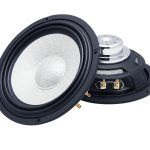
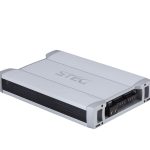
Steg SG 650C Component Speakers
500,00 €
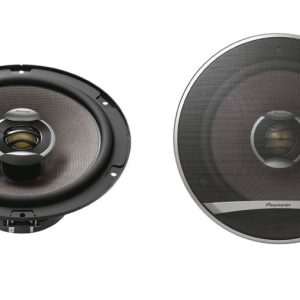
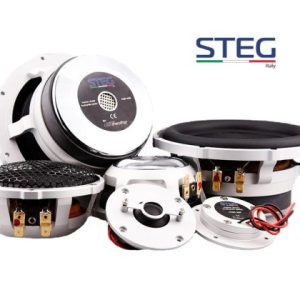
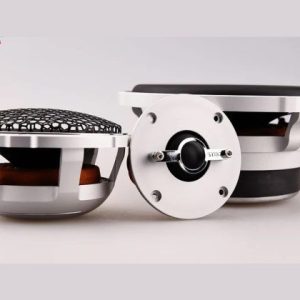
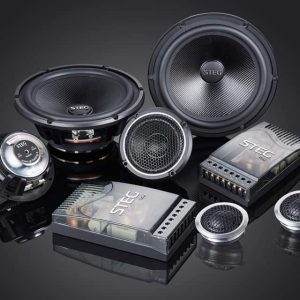
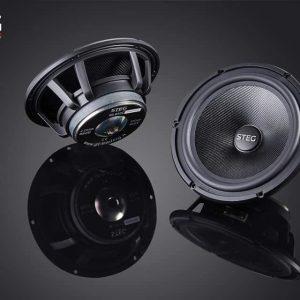
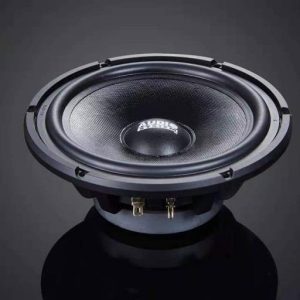
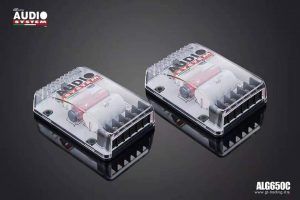
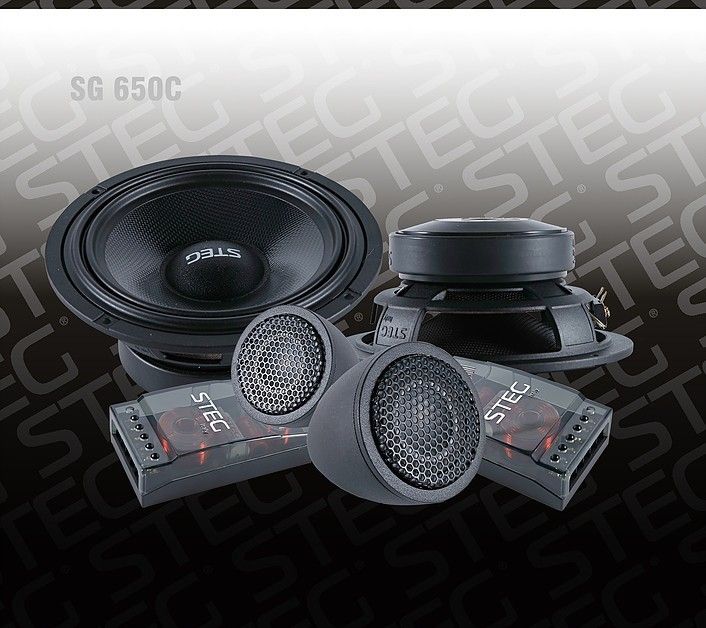
Steg SG 650C is a two-way component speaker system designed for upgrading in-car audio. Its separately installed drivers allow the height and direction of the soundstage to be adjusted. The system has a stated 90 W RMS power rating and 2-ohm impedance, so it requires an amplifier that can operate stably with this load. The stated 45-25,000 Hz frequency range covers a broad musical spectrum.
Steg SG 650C component speakers are a two-way speaker system designed for upgrading in-car audio. They are intended for a separately installed front or rear stereo system. The stated continuous power rating is 90 W RMS, while the maximum power rating is 250 W.
The 2-ohm nominal impedance is the most important compatibility consideration. The amplifier must be stable when driving this load. A lower impedance may demand more current than an amplifier can safely supply.
Purpose of the two-way system
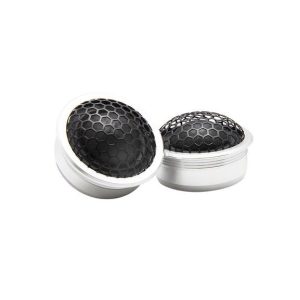
A two-way component system divides sound reproduction between the lower and higher frequency ranges. Installing its drivers separately allows them to be positioned in different parts of the vehicle interior. This provides greater control over the height and direction of the soundstage.
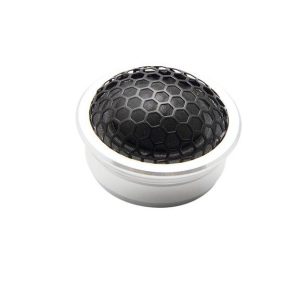
The position of the mid-bass driver is usually determined by the vehicle’s factory openings. The tweeter position can be selected according to the normal listening position. It is worth comparing several orientations before securing the tweeters permanently.
Both sides of the vehicle should be installed as symmetrically as possible. Differences in mounting height or angle can shift vocals toward one side. Matching the left- and right-channel installations also makes subsequent system tuning easier.
Choosing suitable amplifier power
The RMS power rating is the primary figure to consider when choosing an amplifier. It is used to assess continuous operation. The maximum power rating describes a short-term limit, so these two figures should not be treated as equivalent.
The amplifier must be stable with a 2-ohm load. Its output specifications should clearly state that it can operate with 2-ohm speakers.
Begin with the amplifier’s input sensitivity, or GAIN, set to a low level. Increase the volume gradually while playing a clean music recording. Stop before audible harshness or compression appears.
Connections and polarity
The system connects to the speaker outputs of a car amplifier. Correct positive and negative polarity must be maintained throughout the entire signal path. Reversed polarity on one side will weaken the system’s combined low-frequency output.
The signal must be divided between the two frequency bands according to the system’s installation diagram. Arbitrary direct connections can change the range of frequencies sent to each driver. This is especially important for the tweeter.
If an audio processor is used, begin by setting both channels to equal levels. Time alignment and frequency balance can then be adjusted. Assess the initial result from the driver’s usual listening position.
Installation in the vehicle
A door mounting location should be rigid and properly sealed. Loose trim components may vibrate along with the speaker. A solid mounting ring helps provide even support around the entire edge of the driver.
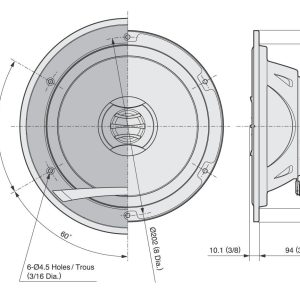
Before installation, check the opening diameter, mounting depth and clearance from the window mechanism. These measurements are not provided for this model. Suitability for a particular vehicle door must therefore be determined from the actual installation location.
The tweeters can initially be attached temporarily in several different positions. Aiming them directly at the listener will often produce a brighter high-frequency balance. Aiming them away from the listener may result in a softer presentation.
Understanding the frequency range
The stated 45-25,000 Hz frequency range covers a broad musical spectrum. Its lower limit does not mean that the system replaces a separate subwoofer. The amount of deep bass produced is strongly influenced by door preparation and the acoustics of the vehicle interior.
When the speakers are installed with a subwoofer, the lowest frequencies sent to the component system can be limited. A useful starting point is to set the cutoff slightly above the lower limit of the stated frequency range. It can then be adjusted according to listening volume, door vibration and the transition to the subwoofer.
The 91 dB sensitivity figure is measured using 1 W of power at a distance of one metre. This measurement method matters when comparing different models. For a meaningful comparison, use sensitivity figures stated under the same measurement conditions.
Use within an audio system
This model is intended for a car stereo system in which separate channels drive the left and right sides. It is not a self-contained home loudspeaker. Any home stereo or cinema amplifier used with it would need to be stable with a 2-ohm load.
Additional sets require separate amplifier channels that are compatible with a 2-ohm load.
Technical specifications
| Model | Steg SG 650C |
|---|---|
| Type | Two-way component speaker system |
| RMS power | 90 W |
| Maximum power | 250 W |
| Frequency range | 45-25,000 Hz |
| Sensitivity | 91 dB, measured at 1 W/1 m |
| Nominal impedance | 2 ohms |
FAQ
Can these speakers be connected to a factory head unit?
That depends on the head unit’s output capability. The unit must be stable with a 2-ohm load. A separate compatible amplifier provides more tuning options.
Which power rating should I use when choosing an amplifier?
Use the continuous power rating as your reference. The short-term maximum figure is not a suitable basis for matching an amplifier and speakers for everyday use.
Is a separate subwoofer required?
A subwoofer is not required for reproducing midrange and high frequencies. However, a separate subwoofer can handle the deepest part of the frequency range. This allows the component system to carry less of the lowest-frequency load.
How should I choose the tweeter position?
Compare several temporary positions while sitting in the usual listening position. Pay attention to vocal height, brightness and the balance between both channels. Secure each tweeter permanently only after choosing its position and direction.
Is this system suitable for home cinema use?
This is an automotive component system, not an enclosed home loudspeaker. Home use would require a suitable enclosure, appropriate filtering and an amplifier that is stable with a 2-ohm load.
How many amplifier channels are needed for two sets?
Separate channels from a compatible amplifier must be allocated to each set.