Alpine SXE-69C2 Car Speakers
52,00 €
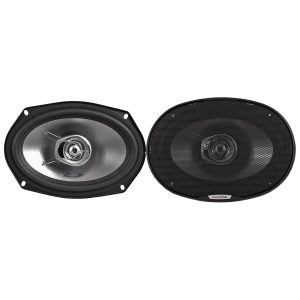
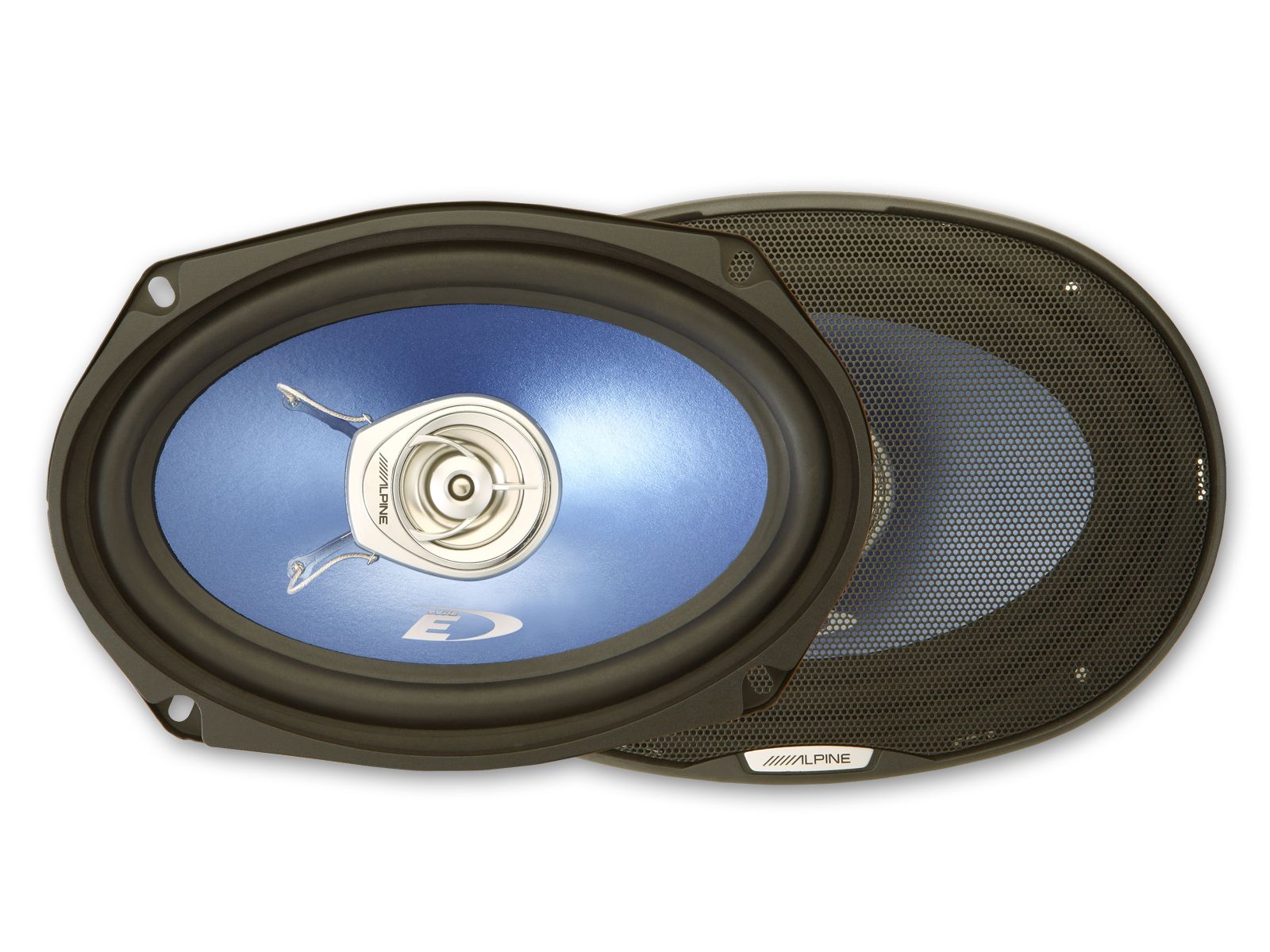
Alpine SXE-69C2 speakers are designed for car audio systems. Their 45 W RMS rating helps you assess continuous load when choosing amplification, while the 280 W peak rating describes a short-term load. The stated frequency range is 40 Hz-20 kHz. The rubber surround forms part of the moving speaker cone assembly.
Alpine SXE-69C2 speakers are designed for a car audio system. Their 45 W RMS power rating helps you assess continuous load, while the 280 W peak power rating describes a short-term load. The stated frequency range is 40 Hz-20 kHz. A rubber surround forms part of the speaker cone assembly.
Understanding the power ratings
When choosing an amplifier, the RMS rating is a more useful reference than the peak rating. Peak power does not mean the speaker can operate continuously at that load. You also do not need to find an amplifier with a power rating exactly equal to the speaker’s RMS figure.
Power figures alone are not enough to determine whether equipment can be connected safely. The speaker’s impedance must suit the load permitted by the car stereo or amplifier output. Check this whether you intend to use the existing system or install a separate amplifier.
Setting the system controls
After installation, start with the stereo at a low volume and its sound settings in neutral positions. If it has tone controls or an equalizer, leave them neutral at first. This makes it easier to hear how the complete system performs before changing individual frequency levels. Then adjust one setting at a time and listen from your usual seat.
If you use a separate amplifier, set its input sensitivity according to the amplifier and stereo instructions. This control is not an extra volume knob: setting it too high can produce audible distortion. Raise the volume gradually, and turn it down if you hear distortion. There is no single control position that suits this speaker in every system, because the appropriate setting depends on the other equipment.
If your system has frequency filters, set them with all connected speakers and any subwoofer in mind. A filter can help distribute frequency reproduction between the system’s components, but the stated lower frequency limit does not establish the right filter setting. Choose an initial setting from your equipment instructions, then listen for a result free of audible distortion.
Frequency range
The frequency range gives the stated limits of reproduction. It does not tell you how loudly the lowest frequencies will be heard inside your car. If strong bass is your main reason for choosing speakers, the lower limit alone is not enough to judge it.
Installation also affects what you hear. The speaker’s position and the surrounding parts of the car influence the sound at the listening seat. Treat the frequency range as a technical reference rather than a promise of a particular tonal balance in every vehicle.
Construction and installation
The rubber surround connects the moving cone to the speaker structure and allows the cone to move. It is not a mounting gasket or a separate installation accessory. When choosing a location, consider the dimensions of the speaker itself and the space available in the car.
Before replacing existing speakers, measure the mounting opening and the free depth behind it. Make sure the installed cone can move without touching trim or a grille. The model name alone cannot tell you whether the speaker fits a particular position in your car.
Look beyond the opening to the full space the installed speaker will occupy. Door trim, a window mechanism or other parts behind the mounting position may restrict the available depth. Check that the grille and trim stay clear of moving parts. Compare the speaker’s dimensions with the intended location before buying installation accessories.
Think about where people sit and how both sides of the system will sound from those seats. Even identical speakers can sound different in different positions. If you replace only some of the existing speakers, listen from both the driver’s and passenger’s seats after installation. That will help you decide whether the stereo’s balance needs adjusting.
Connecting to the car audio system
For a connection to the car stereo, check the load its output permits and the speaker’s impedance. If you plan to use a separate amplifier, make the same check for its output. Power and frequency figures cannot replace this information. Follow the information for your equipment and the car’s connectors when choosing a wiring method and connecting the correct polarity.
When replacing speakers in an existing system, first establish where the current wires lead and which device powers them. This tells you which equipment needs a compatibility check. If you expect to add an amplifier later, consider the complete planned connection, not just the future amplifier’s power rating. Incorrect channel connections or reversed polarity can make it harder to assess how the system sounds.
Stereo and multiple-speaker systems
In a stereo system, begin listening to the left and right sides with the balance control centred. If one side sounds different, check its installation and wiring before changing the balance. The control can adapt the sound to a listening position, but it cannot confirm that both speakers are connected correctly.
If the car has both front and rear speakers, begin with the stereo’s front-to-rear distribution set neutrally. Adjust it for the seats where music is usually heard. When planning several speakers or an additional subwoofer, assess each channel’s load and wiring arrangement against the device powering that channel.
Technical specifications
| Type | Car speakers |
|---|---|
| RMS power | 45 W |
| Maximum power (peak) | 280 W |
| Frequency range | 40 Hz-20 kHz |
| Cone surround | Rubber |
FAQ
Does 280 W mean continuous speaker power?
No. It is a peak power rating describing a short-term load. Use the RMS rating when assessing continuous load.
Can these speakers be connected to a car stereo?
That depends on the load permitted by the stereo’s output and the speaker’s impedance. The 45 W RMS rating alone does not establish electrical compatibility.
Do I need a separate amplifier?
The power ratings alone cannot establish a need for one. If you plan to use an amplifier, check that its permitted output load suits the speaker’s impedance.
Does the 40 Hz lower limit mean strong bass?
No. The limit does not specify the sound level at 40 Hz. If bass is your main selection criterion, that figure alone is insufficient.
Is measuring the mounting opening enough?
No. Even if the opening fits, there may be too little free depth behind it, or the grille may sit too close to the moving cone. Check the opening, depth and clearance.
What does rubber surround mean?
It is the moving part of the speaker structure around the cone. It is not an additional part for fastening the speaker in the car.