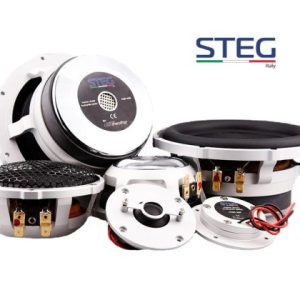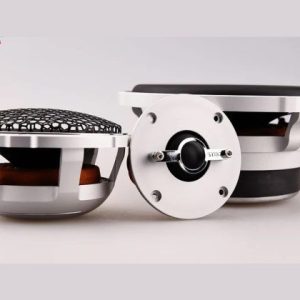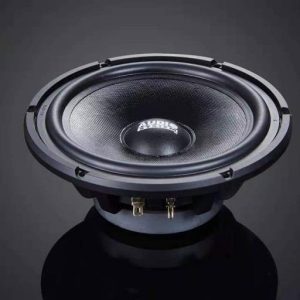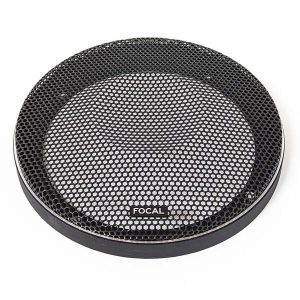
Focal UTOPIA BE KIT N°6 Speaker Kit
2 449,00 €
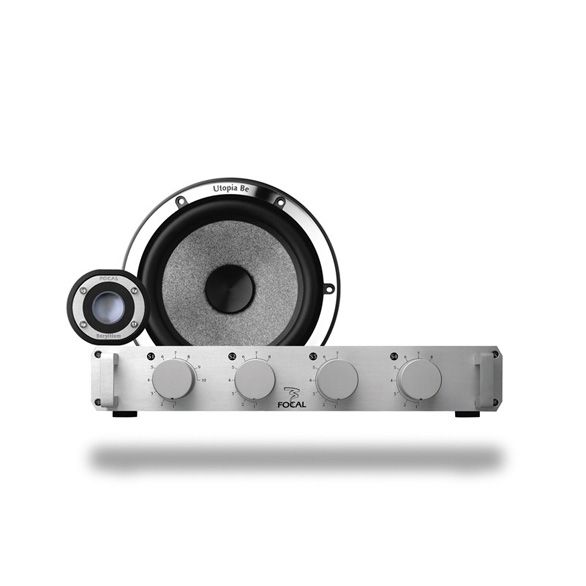
Focal UTOPIA BE KIT N°6 is a two-way speaker kit for a car audio system. Its stated 165 mm speaker size is a starting point for assessing an installation location, but mounting depth and fixing dimensions matter too. The passive version uses a separate crossover that needs space and a planned cable route.
Focal UTOPIA BE KIT N°6 is a two-way speaker kit for a car audio system. The stated speaker size is 165 mm. The passive version uses a separate passive crossover. These details provide a starting point for assessing the installation space and planning the signal path.
Choosing an installation location
The stated size is the first reference point when considering a position in a car door or another intended opening. Diameter alone does not tell you the mounting depth, the position of the fixing points, or the shape of the opening. You also need to check the space behind the speaker, especially where a window mechanism moves nearby.
Because this is a two-way kit, the position of the component that reproduces higher frequencies matters too. Consider where you sit when listening: the locations chosen on both sides should allow sound to be heard clearly from the driver’s seat. The stated speaker size does not describe the mounting dimensions of every part in the kit.
Before settling on a location, remove the trim around the intended opening and check the space behind it with the window lowered. Make sure the trim can be refitted and that moving parts will not interfere with the speaker or its wiring. If you plan to change the positions of the existing speakers, decide in advance where the higher-frequency component will be mounted and how its cable will reach it. Check each side of the car separately, as their construction may differ.
Passive connections
In the passive version, the crossover is separate from the speakers. Allow space for it and plan a cable route from the amplifier to the crossover, then from the crossover to the appropriate speakers. Choose a location where the crossover will be protected from moisture and will not obstruct the door mechanisms.
The two-way designation describes how the signal is divided between frequency ranges. By itself, it does not establish the load presented to an amplifier. To choose an amplifier, you need the kit’s impedance and power-rating information; speaker diameter is not enough. The fact that the crossover is separate also does not, on its own, determine every detail of the connection method.
If the car already has wiring to its existing speakers, first establish where those wires start and whether the signal passes through a factory crossover or amplifier. This will help you decide which sections of wiring can be used and which need to be run anew. In a passive connection, identify the crossover input and outputs using the markings on the specific components. Test each side before replacing the trim so that any incorrect connection can be found while the wiring is still accessible.
Initial system settings
This description does not specify controls on the kit or positions for setting them. Make your initial sound adjustments at the car stereo or amplifier. Start with the balance and front-to-rear fader in neutral positions, and switch off equalizer adjustments or leave them flat. Then play a familiar recording and listen to the left and right sides separately. This makes connection or installation differences easier to notice before you change the sound with settings.
If the amplifier has an input sensitivity control, adjust it according to that amplifier’s instructions, beginning at a cautious volume. If additional frequency division is enabled in the stereo or amplifier, its purpose must suit the connection scheme you have chosen. The size of this kit alone does not indicate a suitable crossover frequency. After each adjustment, listen to both sides at the same volume. If one side sounds different, check its wiring and installation position before changing the balance.
Its place in the car audio system
In a conventional car stereo system, the left and right signals should remain separate. If you are planning a system with more speakers or amplifier channels, map out in advance which channel will feed each side and where its crossover will be placed. This is especially useful when different speakers are used at the front and rear. The fader can later help you compare their sound, but it cannot correct an improper connection.
If you intend to control the frequency bands separately in an active setup, the description of the passive version’s crossover is not enough to design that arrangement. Before buying, obtain the connection information for the specific kit configuration and check the available amplifier channels and adjustment options. When replacing a factory system, also find out whether its amplifier or control unit already processes the signal. Those decisions depend on the equipment in the car and cannot be made from speaker diameter alone.
Technical specifications
| Model | Focal UTOPIA BE KIT N°6 |
|---|---|
| Type | Two-way car speaker kit |
| Stated speaker size | 6.5 in (165 mm) |
| Crossover | Separate passive crossover in the passive version |
FAQ
Is the 165 mm size enough to choose an installation location?
Before ordering, measure the opening and available mounting depth, and check the fixing points and space beneath the trim. Lower the window to make sure its mechanism will not obstruct the speaker or wiring. Check the location for the other component of the kit separately.
Where does the passive crossover connect?
In a passive system, it sits in the signal path between the amplifier and the speakers. The separate crossover needs its own mounting location and cable route.
Can I connect this kit to my existing amplifier?
That cannot be determined from the two-way design and stated size alone. You need the kit’s impedance and power-rating information to assess amplifier suitability.
What should I check when replacing factory speakers?
Find out whether a factory amplifier or crossover processes the signal, where the existing wires run, and whether their connectors suit the planned connections. This will help you decide whether new wiring is needed and where to install the separate crossover.
Can I bypass the passive version’s crossover to connect the bands separately?
Do not decide on that connection from the kit type alone. If you plan to control each band separately, check the connection diagram for the specific configuration and the adjustment options available on your amplifier channels before connecting it.