Pioneer TS-G1333i Car Speaker
34,00 €
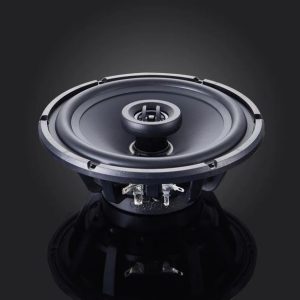
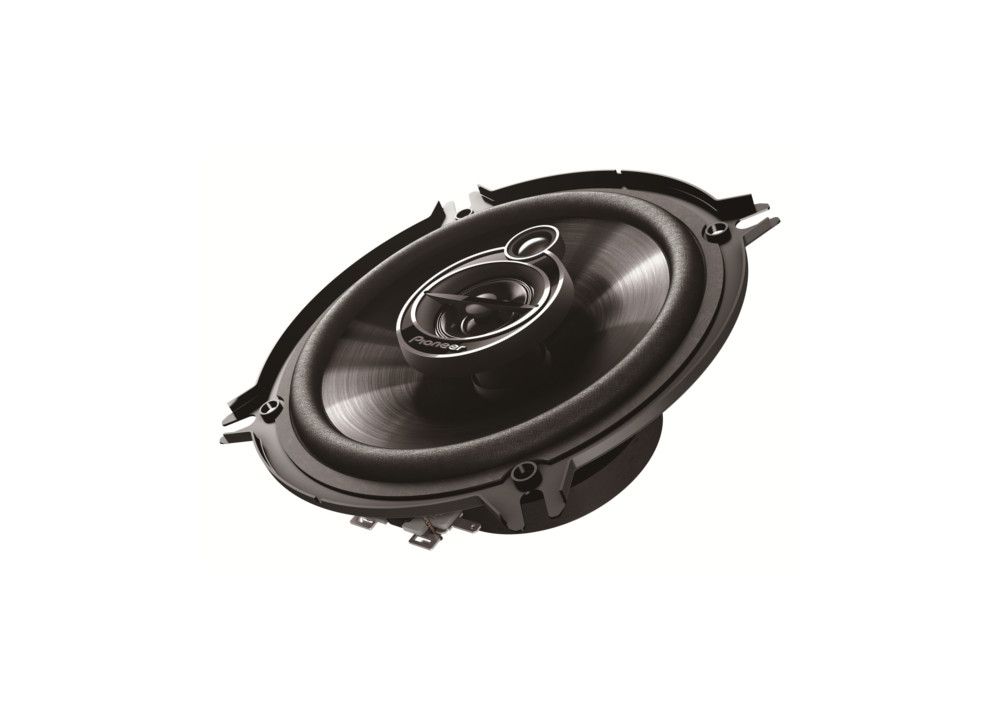
The Pioneer TS-G1333i is a 13 cm three-way coaxial speaker designed for a car audio system. Its IMPP composite cone is complemented by a 30 mm midrange driver and an 11 mm tweeter. This design places three frequency regions within a single mounting position. Rated power is 35 W. Installation requires a 121 mm cut-out and 45.5 mm of mounting depth.
The Pioneer TS-G1333i car speaker is a 13 cm three-way coaxial model designed for an in-car audio system. Its woofer, midrange driver and tweeter operate within a single mounting position. The speaker has a rated power of 35 W and a maximum input power of 250 W.
Before installation, it is important to check that there is enough space for the speaker in the chosen position in the vehicle.
Design and intended use
In a coaxial design, drivers responsible for different frequency ranges are arranged in one location. Separate mounting positions are therefore not required for the midrange driver and tweeter. This is particularly relevant when replacing a factory-fitted speaker with a model of a similar size.
The three-way system distributes the reproduced signal between three drivers. The 13 cm woofer reproduces the lower part of the frequency range, while the 30 mm midrange driver and 11 mm tweeter cover the higher frequency regions.
This product is intended for use as part of a car audio system. It is not a self-contained loudspeaker with a separate enclosure. The mounting position and the vehicle trim become part of the overall acoustic system.
Diaphragms and magnetic system
The woofer uses an IMPP composite cone, an important consideration when comparing models with different diaphragm designs. When choosing a replacement speaker, you can therefore assess both its dimensions and the type of cone used.
The midrange and tweeter diaphragms are made from PET. The drivers have different diameters because each one is intended for a different frequency region. The use of the same material does not mean that the two drivers perform the same role.
The copper voice coil is wound on a polyimide former. The coil converts the electrical audio signal into movement of the diaphragm. A ferrite magnet is used in the magnetic system.
Installation in a vehicle
The 13 cm size is nominal, so this measurement alone is not enough to determine whether the speaker will fit a particular mounting position. Installation requires a cut-out with a diameter of 121 mm. At least 45.5 mm of clear depth must also be available behind the mounting surface.
For installation in a door, check the movement of the window mechanism behind the speaker. The cone and its surround must not touch the vehicle trim either. Adequate clearance is necessary so that surrounding vehicle components do not restrict the movement of the diaphragm.
The front of the speaker should not be covered by dense material or by material pressed against the diaphragm. The mounting surface must hold the speaker securely. A mounting position that is poorly sealed or prone to vibration can alter low-frequency reproduction.
Before replacing a factory-installed 13 cm speaker, compare both the cut-out diameter and the mounting depth. The positions of the mounting points are also important. The supplied information does not specify the type or arrangement of the electrical connectors.
Understanding the power and frequency figures
The 35 W rated power is more useful than the maximum figure when matching components for sustained use. The 250 W specification represents the maximum input power and should not be treated as a continuous operating power rating.
The speaker impedance is also required when selecting an amplifier. The impedance of this model is not provided, so the power figures alone are insufficient for choosing a particular amplifier. Increase the volume gradually and avoid operation when clearly audible distortion is present.
The 86 dB sensitivity helps indicate how the speaker converts electrical power into sound pressure. The measurement conditions are not stated, so this value should be compared cautiously with figures for models tested under different conditions.
The stated frequency response extends from 34 to 25,000 Hz. No tolerance is given for these frequency limits, so they do not indicate that every frequency across the entire range will be reproduced at the same level. The mounting location and the quality of its seal will also affect the final low-frequency result.
The lowest resonant frequency is 95 Hz. This figure helps describe the speaker’s behaviour in the lower frequency region, but it is not a promise that every frequency below it will be reproduced at an equal level inside the vehicle.
Technical specifications
| Model | Pioneer TS-G1333i |
|---|---|
| Type | Coaxial car speaker |
| Size | 13 cm |
| Number of ways | 3 |
| Frequency response | 34-25,000 Hz |
| Sensitivity | 86 dB |
| Lowest resonant frequency | 95 Hz |
| Maximum input power | 250 W |
| Rated power | 35 W |
| Woofer material | IMPP composite cone |
| Midrange driver | 30 mm |
| Midrange driver material | PET |
| Tweeter | 11 mm |
| Tweeter material | PET |
| Voice coil | Copper |
| Voice-coil former | Polyimide |
| Magnet | Ferrite |
| Mounting cut-out diameter | 121 mm |
| Mounting depth | 45.5 mm |
| Weight | 0.43 kg (the description does not specify what this weight applies to) |
| Quantity in the package | Not stated in the supplied description |
FAQ
Can this model replace a factory-fitted 13 cm speaker?
Compatibility depends on more than the nominal size. In addition to the 121 mm cut-out and 45.5 mm mounting depth, you must check the mounting points, clearance from the trim and the travel of the window mechanism.
Which power figure should I use when choosing an amplifier?
Use the 35 W rated power as the basis for matching components for sustained operation. The 250 W figure is the maximum input power, not a continuous operating rating.
Can this model be matched precisely to a particular amplifier?
The speaker impedance is required for precise matching, but it is not provided for this model. Power ratings alone do not confirm electrical compatibility.
What is the practical benefit of the three-way coaxial design?
Three drivers of different sizes operate within a single mounting position. This allows several frequency regions to be reproduced without requiring separate installation positions.
Does the 34 Hz lower limit guarantee powerful bass?
No, not by itself. No tolerance is stated for the frequency response, and the resonant frequency is 95 Hz. The mounting position also affects the final result.
How can unwanted vibration be reduced after installation?
Secure the speaker firmly to a rigid surface. The diaphragm must not touch the trim, and the rear of the speaker must remain clear of the window mechanism.
Is this speaker intended for a home stereo or home cinema system?
This model is designed for a car audio system. Home systems use different installation conditions, and the information provided does not establish specific electrical compatibility.