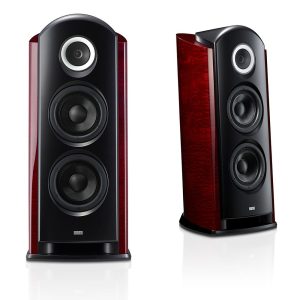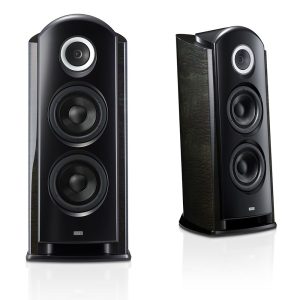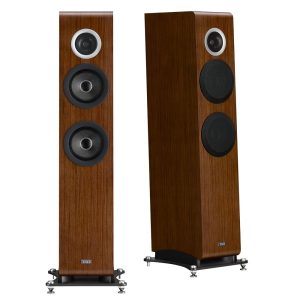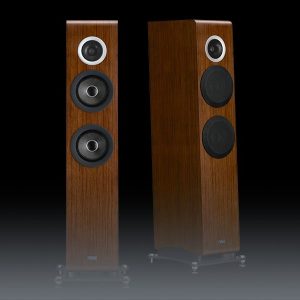

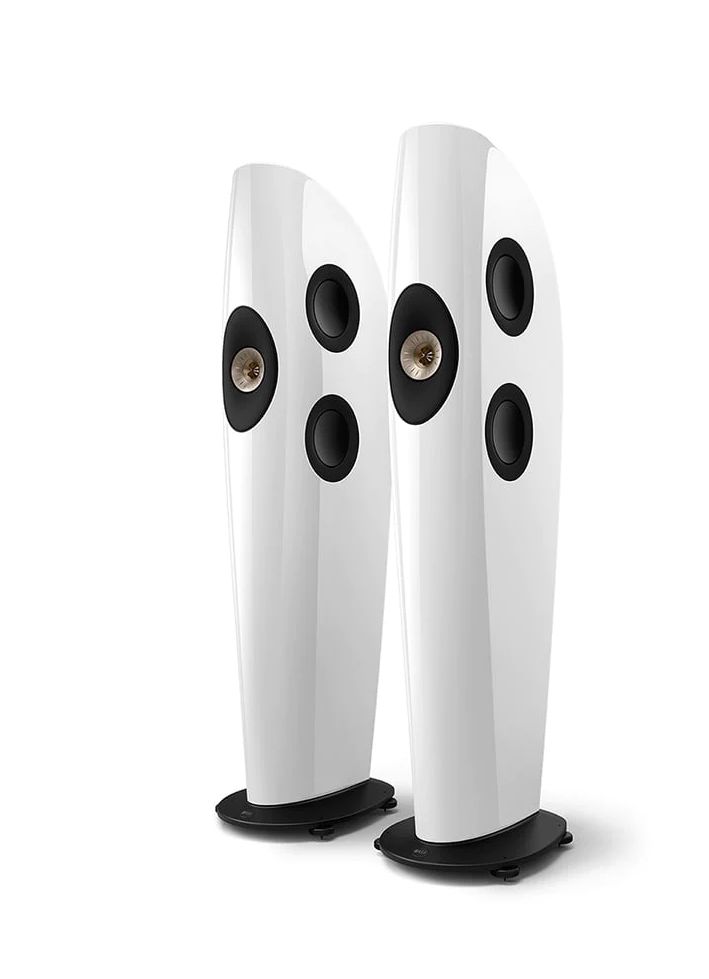
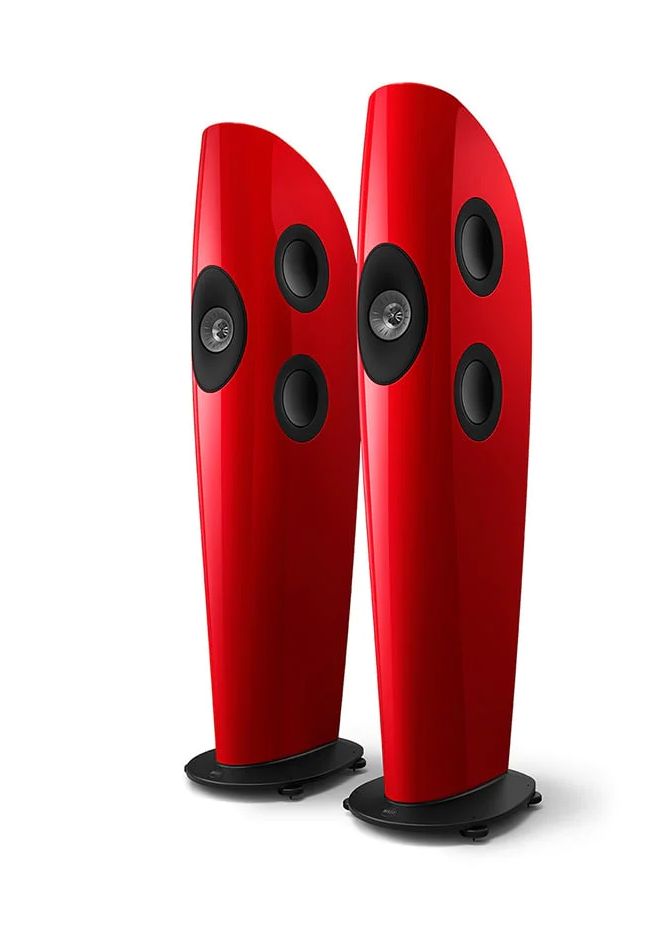
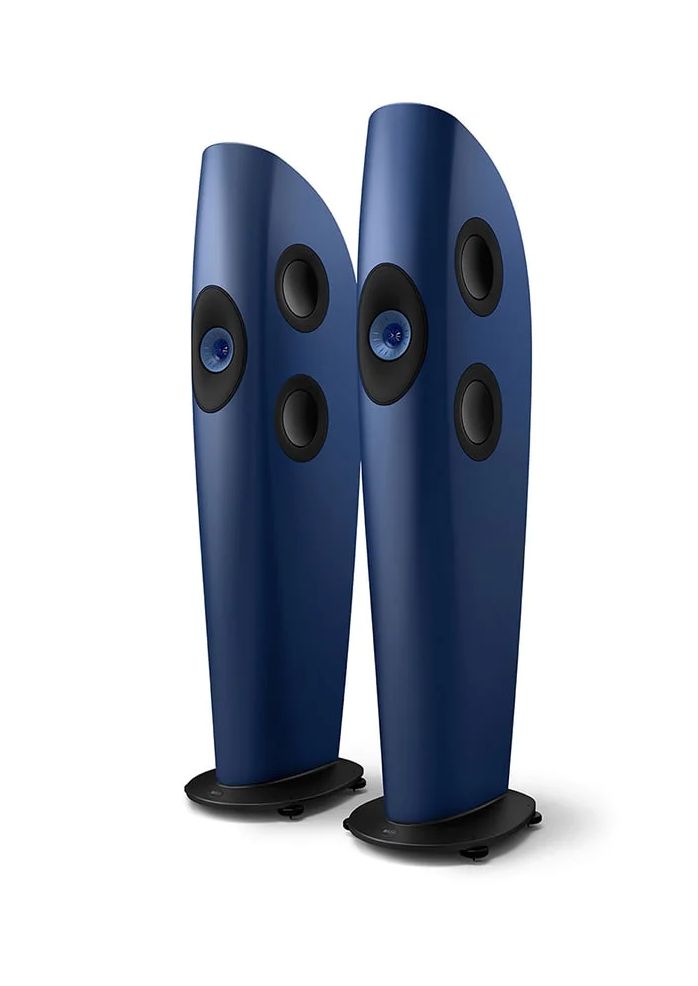

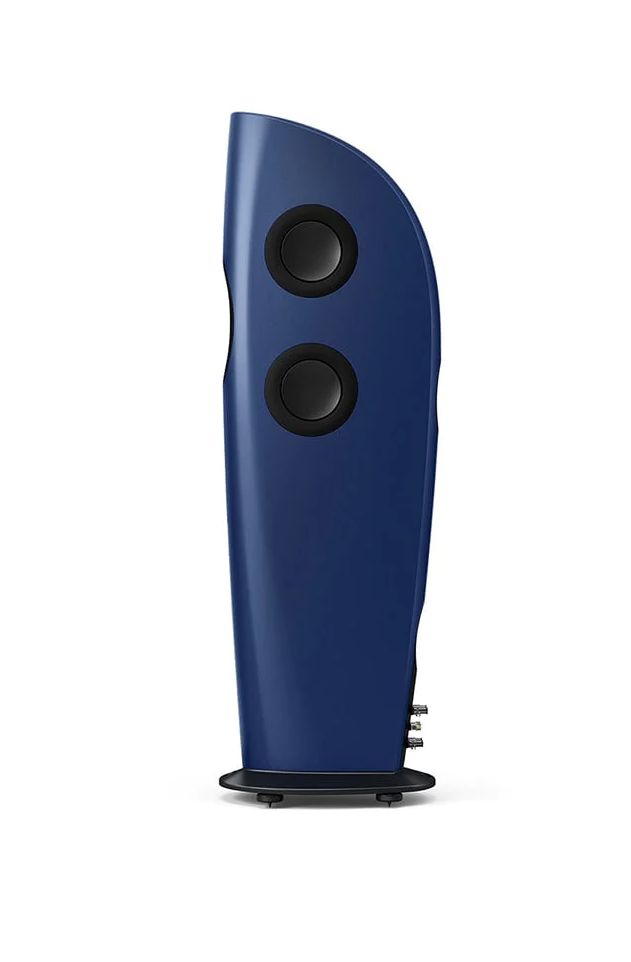
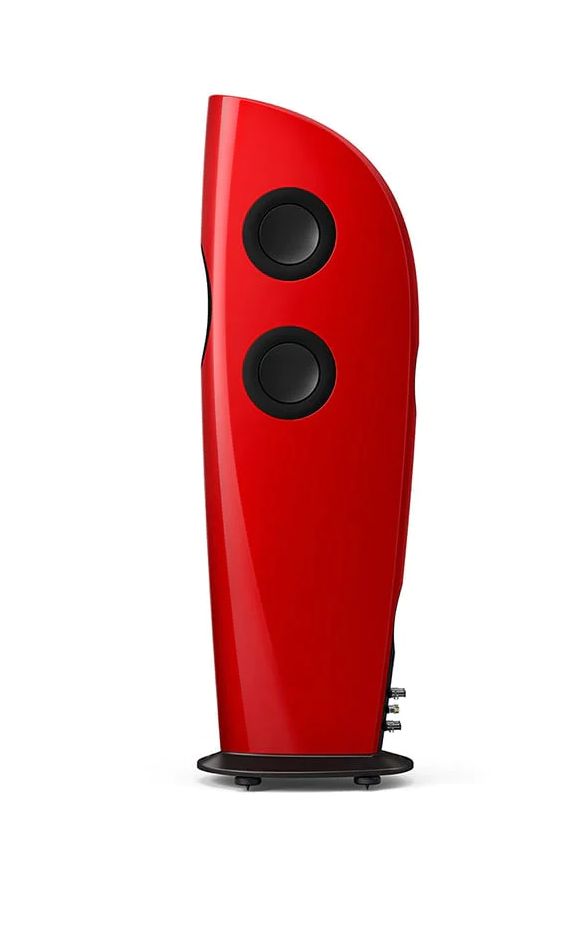
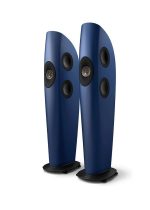
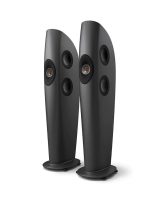
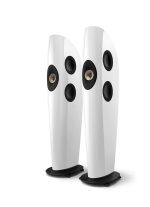
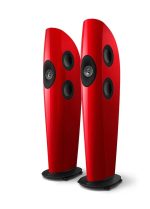
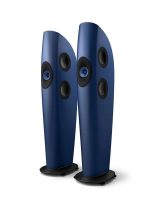
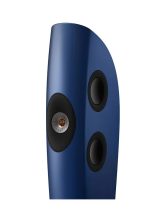
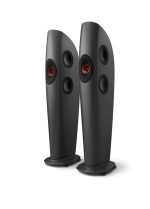
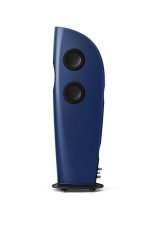
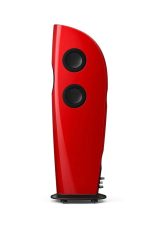
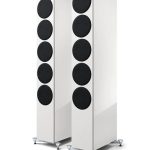
KEF Blade Two Meta Floorstanding Speaker
26 000,00 €
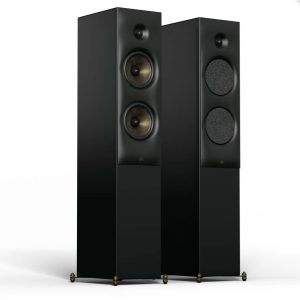
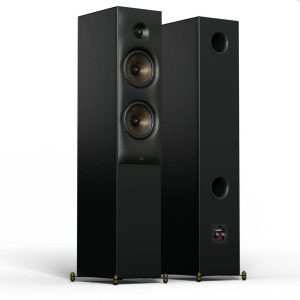
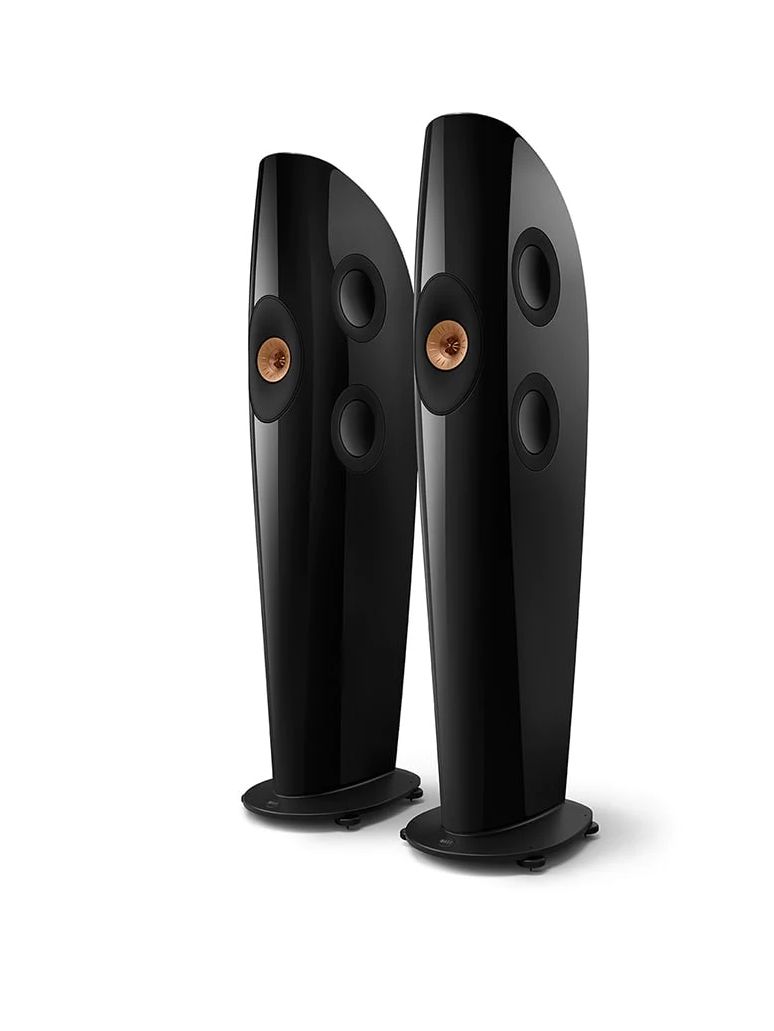
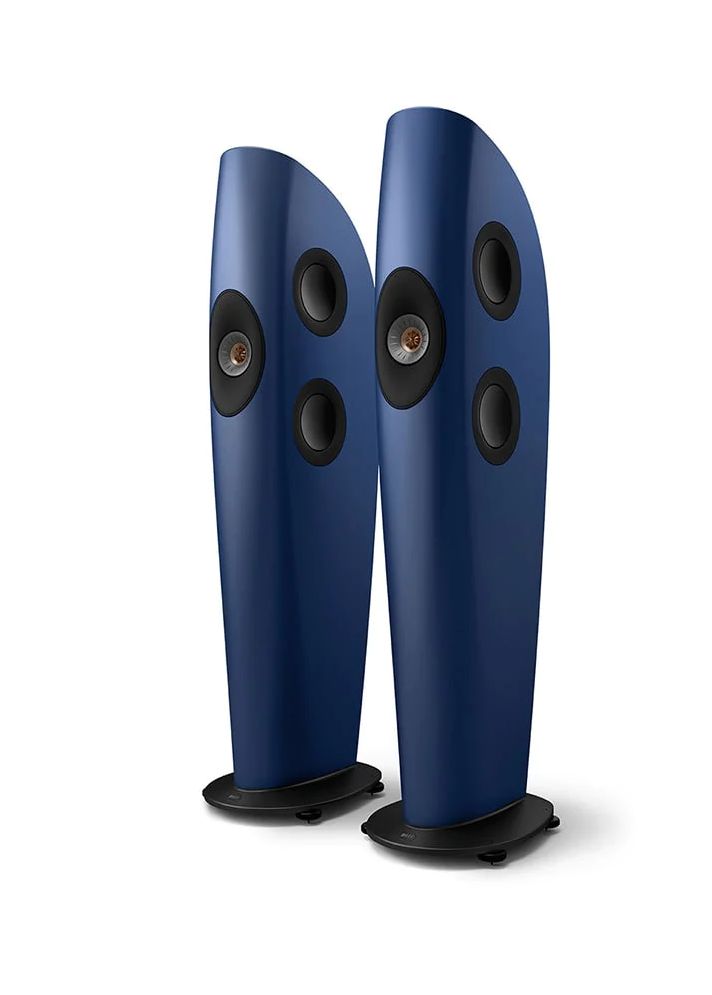
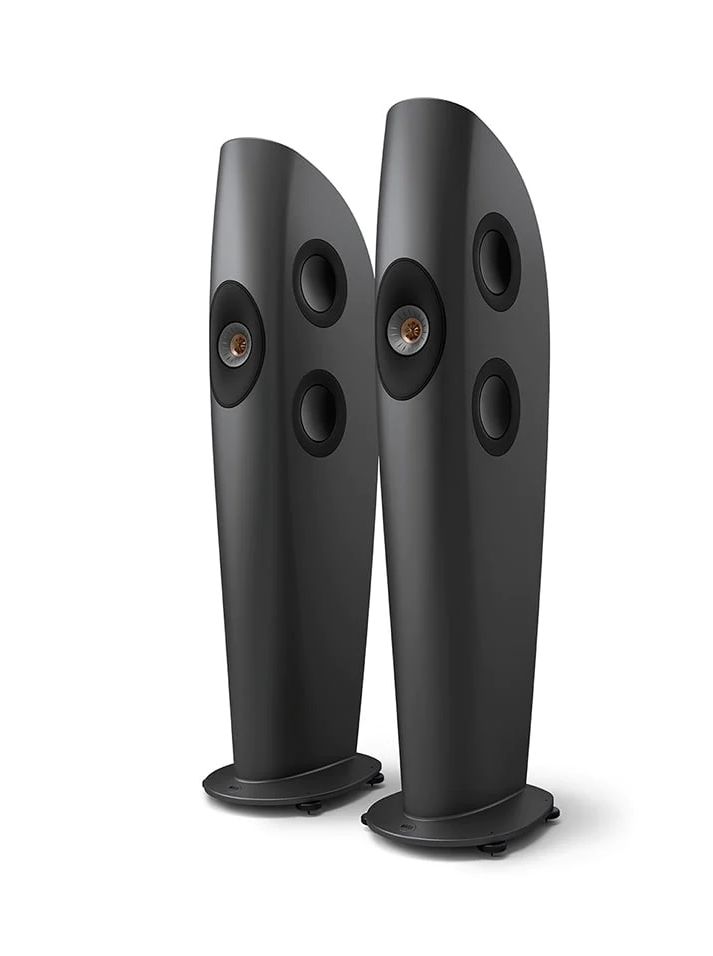
KEF Blade Two Meta is a passive floorstanding speaker for a separately assembled home audio system. It brings the Blade One Meta design direction to a smaller scale. Four 165 mm bass drivers use a force-cancelling configuration, while MAT is integrated into the 12th-generation Uni-Q array rather than supplied as a separate accessory. The model is engineered and handmade in Maidstone, United Kingdom.
KEF Blade Two Meta is a passive floorstanding speaker designed for a separately assembled home audio system. It brings the design direction of the Blade One Meta to a smaller-scale enclosure. The model uses Single Apparent Source technology, making it an important option for buyers seeking the smaller model in the Blade family.
Drivers and integrated technologies
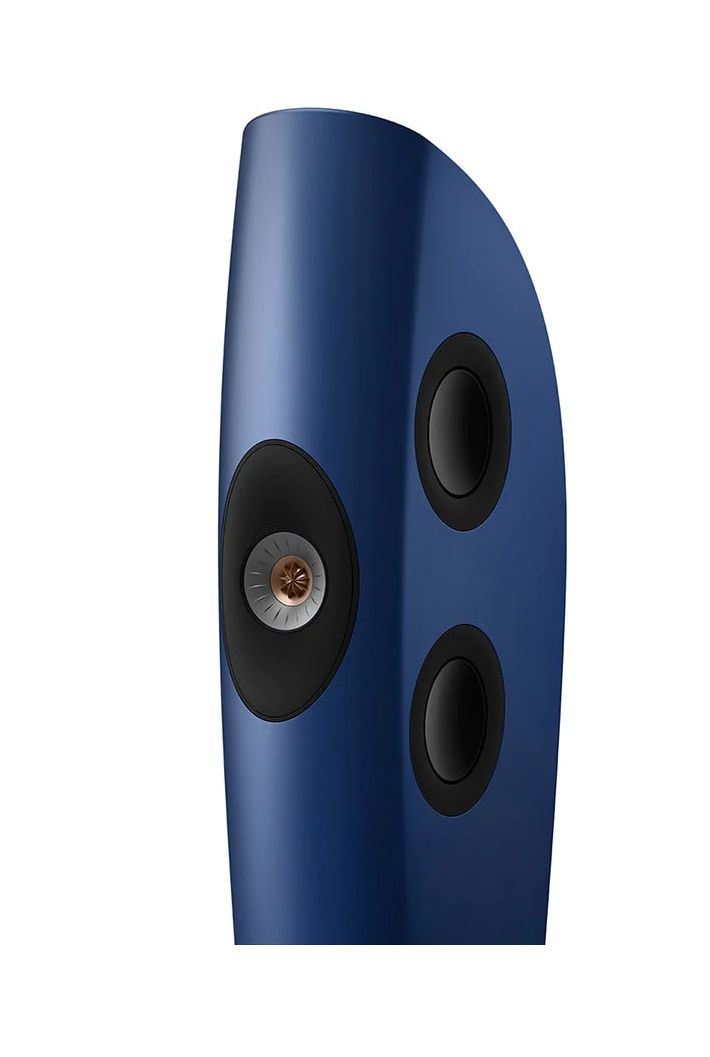
Low frequencies are reproduced by four 165 mm (6.5 in) bass drivers. They use a force-cancelling configuration designed to reduce the mechanical forces acting on the enclosure by opposing them within the speaker structure.
This configuration works automatically. It does not need to be switched on, adjusted or supplemented with a separate accessory. For the buyer, this means that the operating principle of the bass drivers does not depend on software or an additional controller.
The speaker features a 12th-generation Uni-Q driver array with integrated Metamaterial Absorption Technology (MAT). MAT is part of the Uni-Q array itself rather than a separately installed module.
Connecting the speaker to an audio system
This is a passive speaker, so the system requires a separate amplifier. The audio source is connected to the amplifier first, and the speaker must then be connected to the amplifier’s dedicated speaker outputs.
A line-level or preamplifier output alone cannot drive the speaker. Use speaker cable suited to the terminals on both devices. Do not choose a cable or amplifier using the specifications of another Blade model.
When selecting an amplifier, refer specifically to the electrical requirements of this model. Impedance, sensitivity and power information for different speakers in the same series must not be assumed to be identical.
Positioning and initial setup
Place the floorstanding speaker on a stable surface and leave clear space around the enclosure. Furniture and other objects should not obstruct the drivers. The exact position will depend on the geometry of the room and the chosen listening position.
When setting up a stereo pair, begin with both speakers at an equal distance from the listening position. Adjust their angle towards the listener in small steps. After every change, play the same familiar recording so that differences are easier to assess.
The force-cancelling construction does not remove the influence of room acoustics. Distance from walls and corners can change the perceived balance of the bass. If the low frequencies are too prominent, move the speakers gradually farther away from the nearest surfaces.
Avoid changing several positioning variables at once. Establish the distance from the walls first, then adjust the toe-in. This makes it easier to identify which change has produced an audible effect.
Design and manufacture
The model is designed, engineered and handmade in Maidstone, Kent, United Kingdom. This manufacturing location should not be confused with the brand’s headquarters or with a design studio alone.
Technical specifications
| Model | KEF Blade Two Meta |
|---|---|
| Type | Passive floorstanding speaker |
| Position in the Blade range | Smaller-scale model following the Blade One Meta design direction |
| Acoustic technology | Single Apparent Source technology |
| Bass drivers | 4 × 165 mm (6.5 in), force-cancelling |
| Driver array | 12th-generation Uni-Q |
| MAT | Integrated into the Uni-Q driver array |
| Design and manufacture | Designed, engineered and handmade in Maidstone, Kent, United Kingdom |
FAQ
How do I connect the speaker to a stereo amplifier?
Use the amplifier’s speaker outputs and suitable speaker cable. A source’s line-level output is not designed to power a passive speaker directly.
How does this model differ from the Blade One Meta?
It is presented as a smaller-scale model following the same design direction. The dimensions or electrical specifications of the Blade One Meta must not be attributed to this model.
What are force-cancelling bass drivers?
The four-driver configuration is designed so that mechanical forces acting on the enclosure oppose one another. It is an integrated construction principle that requires no user adjustment.
Does MAT need to be purchased separately?
No. It is integrated into the 12th-generation Uni-Q driver array and is not an optional add-on or separately installed accessory.
Where should I begin when positioning the speakers?
Start with a stable surface and keep the enclosure unobstructed. Position a stereo pair symmetrically, then adjust the distance from the walls and the toe-in separately.