


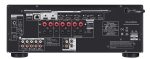
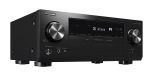
Pioneer VSX-934 AV Receiver
900,00 €
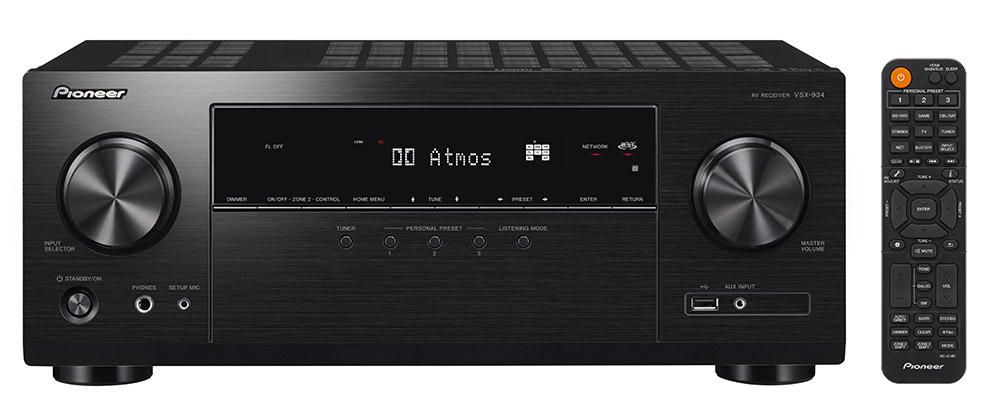
The Pioneer VSX-934 is a seven-channel AV receiver designed for a 5.2.2-channel home cinema system and network music playback. Dolby Atmos and DTS:X processing create immersive sound, while virtual modes are intended for systems without dedicated height channels. The receiver passes through 4K HDR10, HLG and Dolby Vision signals and includes two HDMI outputs, Wi-Fi and Bluetooth connectivity.
The Pioneer VSX-934 AV receiver is a seven-channel network receiver supporting 5.2.2-channel Dolby Atmos, DTS:X and 4K HDR video pass-through. Two HDMI outputs are provided for connecting two display devices.
Choosing a surround sound system
Dolby Atmos reproduces the movement of object-based sound, including effects created above the listener when suitable height-channel speakers are used. Dolby Surround can expand PCM and DSD signals into an immersive sound field. DTS:X adapts to the connected channels and speaker layout, while DTS Neural:X expands PCM and DSD recordings into three-dimensional sound.
Dolby Atmos Height Virtualizer is designed to create virtual height and surround effects without additional surround or height-channel speakers. DTS Virtual:X works without height-channel or rear speakers, accepts a 2- to 7.1.4-channel signal and adapts it for a 2- to 5.1-channel or 7.1-channel system. It works with DTS codecs, including DTS:X. Both features were originally planned for a later firmware update. Their current availability and the required firmware version have not been verified, so this should be confirmed before purchase.
Connecting video equipment
HDMI carries Ultra HD, HDR10, HLG and Dolby Vision signals. All HDMI sockets support 4K at 60p, 4:4:4 chroma sampling, 24-bit colour, BT.2020 and HDCP 2.3. The two HDMI outputs can be used to connect devices such as a television and a projector.
Network and wireless playback
The receiver has Wi-Fi and supports DTS Play-Fi. The original Sonos integration was designed for Sonos Connect, with planned automatic receiver power-on, input selection, independent operation or grouping with other Sonos devices. Compatibility with current Sonos hardware, apps and platform operation should be confirmed before purchase.
Bluetooth 4.2 + LE supports A2DP, AVRCP, SBC and AAC. Bluetooth Wake on Play can switch on the receiver and select the Bluetooth input when playback begins. Apple AirPlay 2 was originally planned for a firmware update. Its current availability and the required firmware version have not been verified, so this should be confirmed before purchase.
Audio in another room and through headphones
Powered Zone 2 can directly drive speakers placed in another room without a separate power amplifier. The store’s original description states that a dedicated DAC for this zone allows digital audio sources to be heard, but the supported formats and Zone 2 signal-routing limitations have not been verified.
Zone B can send the audio playing in the main zone to a wireless-headphone base station. It is not a second amplified speaker zone.
Calibration and control
MCACC automatically evaluates speaker size, level and distance and equalises the frequency response. Measurement requires a dedicated MCACC microphone. Whether the microphone is included with the specific unit offered has not been verified.
When upward-firing Dolby Atmos-enabled speakers are used to reflect sound from the ceiling, Reflex Optimizer corrects the phase difference between direct and reflected sound and aligns their frequencies with the floor-level speakers.
Three Personal Preset profiles can be stored. Holding a front-panel button for three seconds saves the volume and listening mode. A profile can then be recalled using the same button or the remote control. Dialog Enhancement allows the volume of the dialogue frequency range to be adjusted separately from the remote control.
Technical specifications
| Type | 7-channel network AV receiver |
|---|---|
| Dolby Atmos system | 5.2.2 channels |
| Dolby processing | Dolby Atmos, Dolby Surround, PCM and DSD expansion |
| DTS processing | DTS:X, DTS Neural:X, PCM and DSD expansion |
| Virtual surround sound | Dolby Atmos Height Virtualizer and DTS Virtual:X; originally planned for a firmware update, with current availability and the required version unverified |
| DTS Virtual:X signals | 2- to 7.1.4-channel input; 2- to 5.1-channel or 7.1-channel speaker layout |
| Video pass-through | Ultra HD, HDR10, HLG and Dolby Vision |
| HDMI video parameters | 4K 60p, 4:4:4, 24-bit colour, BT.2020 and HDCP 2.3 on all HDMI sockets |
| HDMI outputs | 2 |
| Network features | Wi-Fi, DTS Play-Fi and Sonos Connect integration |
| Apple AirPlay 2 | Originally planned for a firmware update; current availability and the required version have not been verified |
| Bluetooth | 4.2 + LE, A2DP, AVRCP, SBC, AAC and Wake on Play |
| Second zone | Powered Zone 2 with a dedicated DAC and direct speaker drive; the digital-source support statement comes from the store’s original description, while formats and routing limitations remain unverified |
| Zone B | Audio output for a wireless-headphone base station |
| Automatic calibration | MCACC: adjustment of speaker size, level, distance and frequency response |
| Atmos speaker correction | Reflex Optimizer with Phase Control technology |
| Memory profiles | 3 Personal Preset profiles |
| Dialogue control | Separate adjustment of the dialogue frequency range from the remote control |
FAQ
Does Dolby Atmos require in-ceiling speakers?
No. You can use upward-firing Dolby Atmos-enabled speakers that reflect sound from the ceiling or virtual height processing, although the current availability of the virtual feature should be confirmed.
How do I connect a television and projector?
Use the two HDMI outputs. The selected 4K and HDR parameters must be supported throughout the entire signal chain.
How do I calibrate the speakers?
Place the speakers in their final positions and put the MCACC microphone at the main listening position. The system will evaluate speaker size, channel levels, distances and frequency response.
What is the difference between Zone 2 and Zone B?
Powered Zone 2 directly drives speakers in another room. Zone B sends the main-zone audio to an external device such as a wireless-headphone base station.
Can Bluetooth switch on the receiver automatically?
Yes. Bluetooth Wake on Play can switch on the receiver and select the Bluetooth input when playback begins from a Bluetooth source.