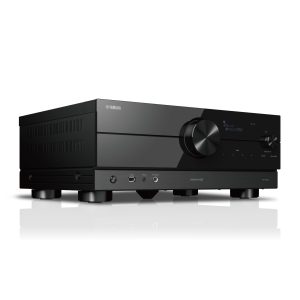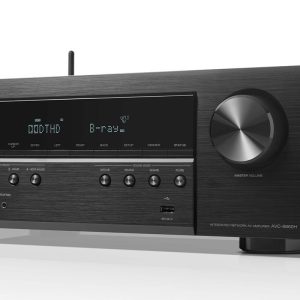
Pioneer VSX-935 AV Receiver
Original price was: 1 150,00 €.700,00 €Current price is: 700,00 €.
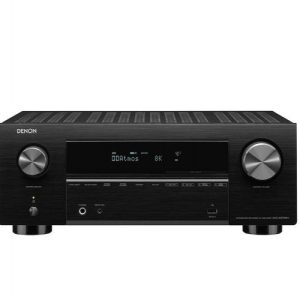
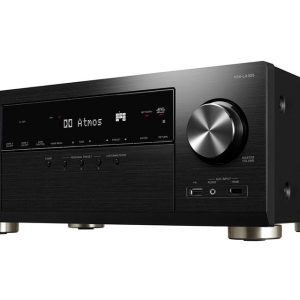
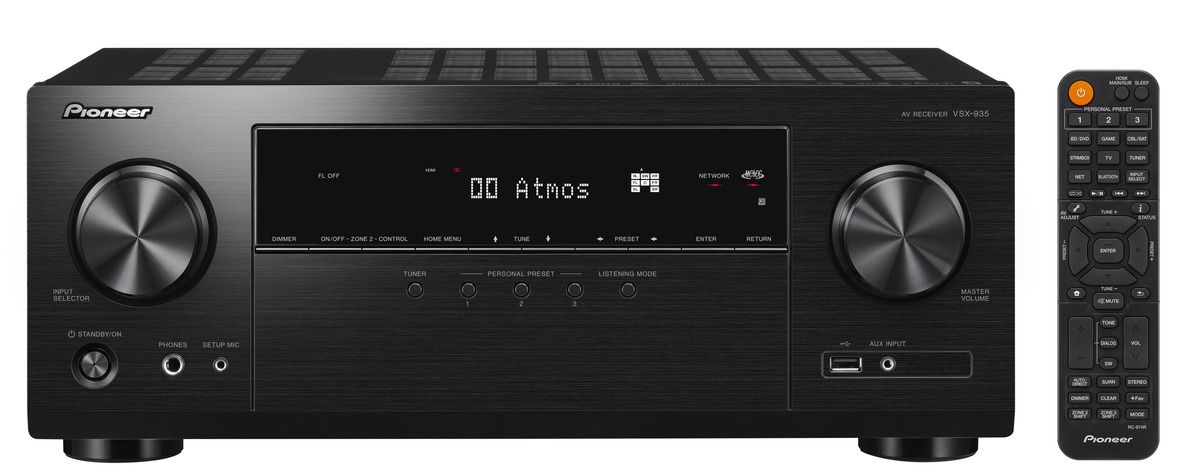
The Pioneer VSX-935 AV receiver is designed for home cinema systems, 8K displays and high-frame-rate gaming. It supports 5.2.2-channel Dolby Atmos, DTS:X and virtual height effects without additional height speakers. HDMI inputs 1-3 pass through 8K/60p and 4K/120p signals, while VRR, ALLM and QFT help reduce gaming display latency.
The Pioneer VSX-935 AV receiver is designed for home cinema systems, 8K displays and high-frame-rate gaming. It supports a 5.2.2-channel Dolby Atmos system and object-based DTS:X audio. Virtual modes can also create spacious sound without height-channel speakers.
Video connections and gaming
HDMI 2.1 capabilities apply to HDMI inputs 1-3 and the HDMI MAIN output. They are also available through the SUB/ZONE 2 output when additional output mode is selected. These connections support HDCP 2.3 and HDR10+.
The receiver passes through 8K/60p, 8K/30p and 4K/120p video signals. The highest 4:4:4 12-bit modes require a DSC signal. A source requiring 4K/120p or 8K transmission should therefore be connected to one of the first three HDMI inputs.
VRR synchronises the display refresh rate with the game’s frame rate. ALLM automatically selects low-latency mode, while QFT reduces frame transmission time. The connected display and video source must also support these functions.
Surround sound options
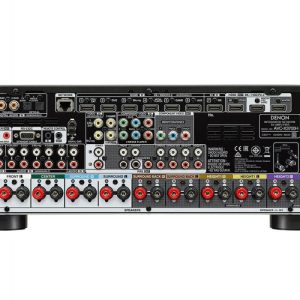
A physical Dolby Atmos installation can use a 5.2.2-channel configuration with two height channels. Dolby Surround can expand PCM and DSD signals into surround sound, while DTS Neural:X performs a similar role with other audio formats.
DTS:X adapts to the connected channels and selected speaker layout. If no height speakers are installed, Dolby Atmos Height Virtualization can be enabled. DTS Virtual:X is available for systems without rear or height-channel speakers.
DTS Virtual:X accepts sources ranging from 2 to 7.1.4 channels and can reproduce them through a 2-channel, 5.1-channel or 7.1-channel system. The mode works with DTS codecs, including DTS:X.
Calibration and everyday control
MCACC automatically adjusts the system for differences in speaker size, level and distance. It also equalises the frequency response. The supplied calibration microphone should be placed at the main listening position during measurement.
Three Personal Preset memories store the volume level and listening mode. Hold a front-panel preset button for three seconds to save the settings. Stored presets can be selected from the front panel or remote control.
Dialog Enhancement separately adjusts the midrange area where film dialogue is heard. Its level is changed with the up and down buttons on the remote control.
Multi-zone and wireless connections
Powered Zone 2 can drive speakers in another room directly, without a separate amplifier. A dedicated DAC allows digital audio sources to be heard in this zone.
Zone B is a line-level output. It can connect to a wireless headphone base station and carry the audio playing in the main zone. Headphones cannot be connected directly to Zone B.
Built-in Bluetooth 4.2 supports the A2DP and AVRCP profiles. SBC, aptX and aptX HD are supported when transmitting audio, while SBC and AAC are supported when receiving music. Wake on Play turns on the receiver and selects the input when a Bluetooth source starts playback.
Sonos integration requires a separate Sonos Connect or Sonos Port. Up to two Sonos devices can be connected. Volume Pass Through in the Sonos app enables control of the receiver’s volume.
The model supports “Ok Google” control through a compatible Google Assistant device. This can control Chromecast music playback, volume and track selection. Availability depends on currently supported devices and services.
Technical specifications
| Type | Network AV receiver |
|---|---|
| Dolby Atmos configuration | 5.2.2 channels |
| Surround sound technologies | Dolby Atmos, Dolby Surround, DTS:X, DTS Neural:X, Dolby Atmos Height Virtualization, DTS Virtual:X |
| 8K/60p pass-through | 4:4:4 12-bit with DSC; 4:2:0 10-bit |
| 8K/30p pass-through | 4:4:4 12-bit with DSC; 4:4:4 10-bit; 4:2:2 12-bit |
| 4K/120p pass-through | 4:4:4 12-bit with DSC; 4:4:4 10-bit; 4:2:2 12-bit |
| Connections supporting advanced video features | HDMI IN 1-3, HDMI OUT MAIN, SUB/ZONE 2 in additional output mode |
| HDMI features | HDMI 2.1, HDR10+, HDCP 2.3, VRR, ALLM, QFT |
| Preset memories | Up to 3 Personal Preset settings |
| Calibration | MCACC; adjustment of speaker size, level, distance and frequency response |
| Dialogue control | Independent level adjustment for the dialogue frequency range |
| Second zone | Powered Zone 2 with a dedicated DAC for digital sources |
| Additional audio output | Zone B line-level output |
| Bluetooth | 4.2, A2DP, AVRCP, Wake on Play |
| Bluetooth transmission codecs | SBC, aptX, aptX HD |
| Bluetooth reception codecs | SBC, AAC |
| Sonos integration | Via a separate Sonos Connect or Port; up to 2 Sonos devices |
FAQ
Which HDMI inputs should I use for a games console?
Connect a device sending a 4K/120p or 8K signal to HDMI IN 1, 2 or 3. The specified HDMI 2.1 capabilities are assigned to these connections.
Does Dolby Atmos require ceiling speakers?
A physical 5.2.2 system requires two height-channel speakers. Without them, Dolby Atmos Height Virtualization can create a virtual height effect.
How should I prepare for MCACC calibration?
Connect the calibration microphone and place it at the main listening position. Do not move the speakers during measurement, and keep the room quiet.
Can I listen to another source in a second room?
Powered Zone 2 directly drives speakers in another room. Its dedicated DAC allows digital audio sources to be used in that zone.
Do wireless headphones connect directly to Zone B?
No. Zone B is a line-level output intended for a compatible wireless headphone base station. Bluetooth headphones can use the receiver’s audio transmission function.