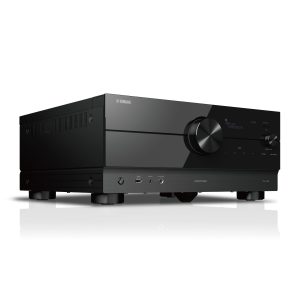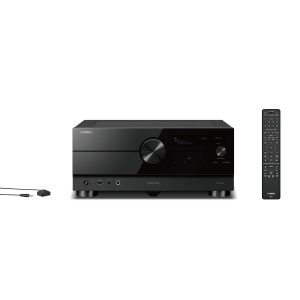
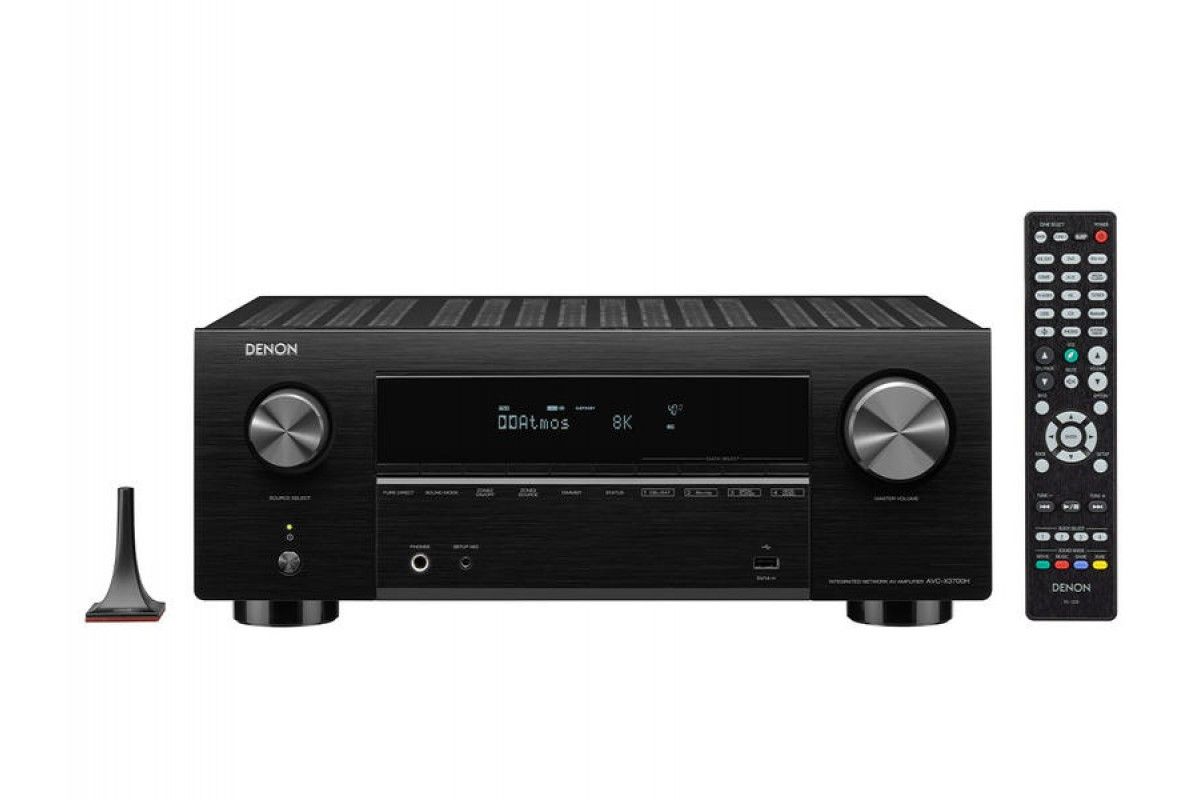
Denon AVC-X3700H AV Amplifier
1 399,00 €
The Denon AVC-X3700H amplifier is a 9.2-channel AV model for an expanded home cinema and music system. It processes up to 11.2 channels, allowing the system to be extended with additional power amplification. Support for 8K 60 Hz, 4K UHD 120 Hz and eARC makes it easier to connect modern video sources. Audyssey MultEQ XT32 adapts the sound to the room’s acoustics.
The Denon AVC-X3700H amplifier is a 9.2-channel AV amplifier for home cinema and music systems. It processes up to 11.2 channels and supports two listening zones. This model is designed for systems where immersive sound, modern video capabilities and flexible source connectivity are important.
Nine built-in amplification channels make it possible to create a multichannel system without a separate power amplifier for every channel. 11.2-channel processing indicates the potential for system expansion; it does not mean that eleven power-amplifier channels are built in. A separate power amplification solution is required for the additional processed channels.
Home cinema capabilities
Supported formats include Dolby Atmos, Dolby TrueHD and Dolby Surround. DTS:X, DTS Neural:X and DTS Virtual:X are also available. These options allow you to select suitable audio processing for the signal received from films, television or another connected source.
Support for two zones allows a second room to be included in the system. HEOS is intended for use with a compatible wireless multi-room audio system. It provides another route for expansion when compatible HEOS devices are used in additional rooms.
Video connections and TV setup
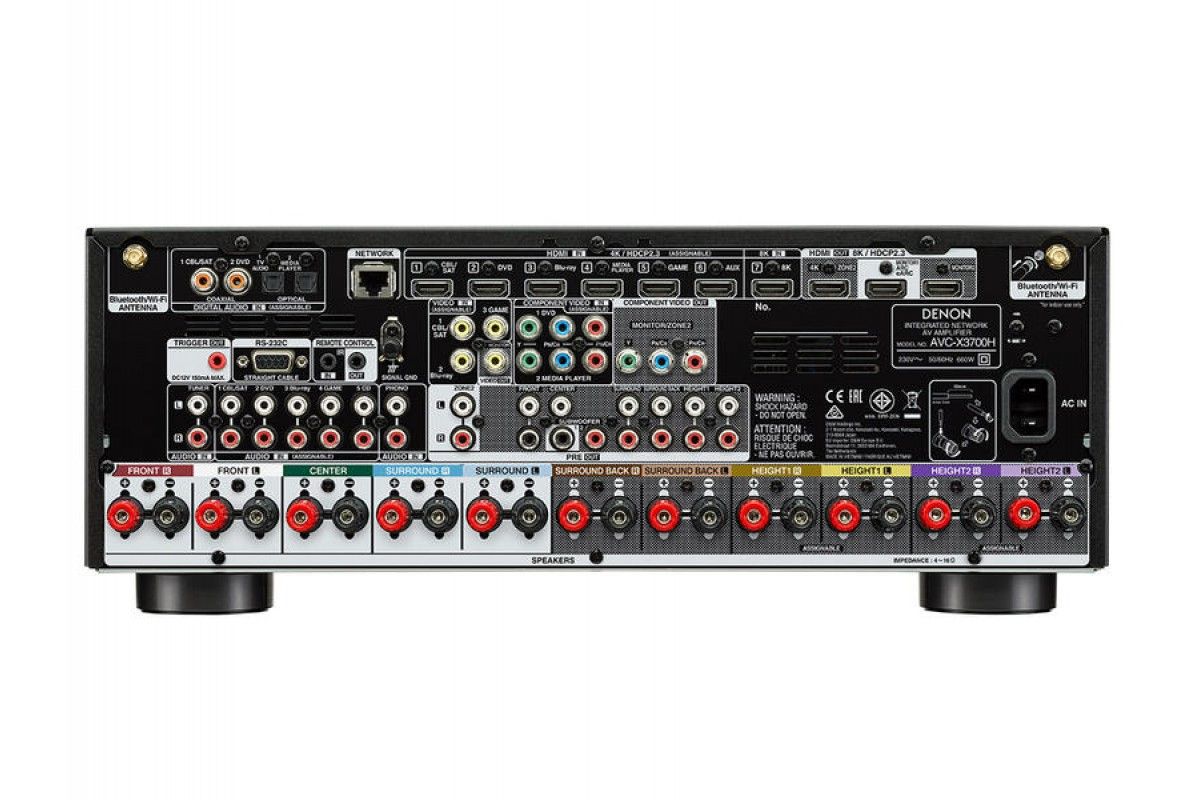
The HDMI 2.1 input capability is intended for newer video sources. The total number of HDMI inputs is not specified. Before planning a setup with numerous sources, it is worth counting the players, consoles and television equipment that will need to remain connected at the same time.
The amplifier has three HDMI outputs. One supports eARC, allowing sound from the television to return through the same HDMI connection. HDMI CEC enables basic functions to be controlled with the remote control of a compatible television.
Video support covers 8K at 60 Hz and 4K UHD at 120 Hz. These capabilities are relevant to high-resolution players and gaming equipment. Every device and cable in the signal chain must support the selected resolution and refresh rate.
The listed video formats include Dolby Vision, HDR10, HLG and BT.2020. The amplifier can therefore serve as the switching centre for video sources. The source device, display and content being played must also support the final video format.
Music sources and file playback
Wi-Fi, Bluetooth and AirPlay 2 offer several ways to transmit audio wirelessly. The integrated HEOS system adds network music and multi-room functions. Support for Spotify Connect, TIDAL, Deezer and TuneIn depends on the region, the user’s account and the service provider’s terms.
The USB connection is provided for music-file playback. Supported formats include FLAC, ALAC and WAV. DSD files can be played at 2.8 MHz and 5.6 MHz. This makes it possible to play a music library directly without relying on a player’s analogue output.
Digital signal processing uses 192 kHz/32-bit AKM converters. Two optical and two coaxial digital inputs are available for televisions, players and other compatible sources. Choose the connection according to the output provided by the particular source device.
Turntable and speaker connections
The integrated MM phono stage allows an MM turntable to be connected. A separate external phono stage is not required for this type of source. A different type of turntable may require a separate phono stage suited to its signal.
Bi-amping is available for the main speakers. It should be used only with speakers that have suitable separate terminals. This arrangement occupies additional amplification channels, so it must be considered when planning the complete surround-sound system.
Initial setup and room acoustics
The initial setup assistant guides you through configuring the speaker arrangement and connections in a clear sequence. This is especially useful when building a system with several surround channels. During setup, select the actual number of connected speakers rather than the maximum processing mode.
Audyssey MultEQ XT32 performs automatic room-acoustic analysis and sound correction. The room should remain quiet while measurements are being taken. Measurements at the listening position help adapt channel levels and correction to the chosen seating location.
After automatic setup, listen to a familiar film and a well-known music recording. If dialogue or bass seems unbalanced, adjust the relevant channel settings in small steps. This approach helps preserve the benefits of the initial measurements.
Power, energy management and placement
The stated output is 180 W per channel into 6 ohms. The number of driven channels, frequency range and distortion limit for this rating are not provided. This figure therefore cannot be compared directly with amplifier power ratings measured under different conditions.
ECO mode helps manage energy use, while automatic power-off prevents the unit from being left operating unnecessarily. Place the black chassis on a stable surface in a well-ventilated location. Leave sufficient open space above the unit for air circulation.
Technical specifications
| Type | 9.2-channel AV amplifier |
|---|---|
| Audio channels | 9.2 |
| Signal processing | Up to 11.2 channels |
| Zones | 2 |
| Stated output | 180 W per channel into 6 ohms; other measurement conditions not provided |
| HDMI inputs | HDMI 2.1 capability; total number of inputs not provided |
| HDMI outputs | 3, including one with eARC |
| Video support | 8K 60 Hz and 4K UHD 120 Hz |
| Video formats | Dolby Vision, HDR10, HLG, BT.2020 |
| HDMI control | HDMI CEC |
| Surround-sound formats | Dolby Atmos, Dolby TrueHD, Dolby Surround, DTS:X, DTS Neural:X, DTS Virtual:X |
| Audio files | FLAC, ALAC, WAV |
| DSD | 2.8 MHz and 5.6 MHz |
| Digital converters | 192 kHz/32-bit AKM |
| Multi-room system | HEOS |
| Music service support | Spotify Connect, TIDAL, Deezer, TuneIn |
| Wireless connectivity | Wi-Fi, Bluetooth, AirPlay 2 |
| Room correction | Audyssey MultEQ XT32 |
| Initial setup | Speaker configuration assistant |
| USB | Connection for music-file playback |
| Optical inputs | 2 |
| Coaxial inputs | 2 |
| Turntable input | Integrated MM phono stage |
| Speaker connection | Bi-amping option for the main speakers |
| Energy functions | ECO mode and automatic power-off |
| Finish | Black |
FAQ
Does 11.2-channel processing mean that eleven amplification channels are built in?
No. The unit has nine built-in amplification channels. Its 11.2-channel processing allows the system to be expanded by adding external power amplification.
What is the best way to connect a television?
If the television supports eARC, use the corresponding HDMI output. It returns sound from the television to the amplifier through the same cable.
Is this amplifier suitable for stereo music?
Yes. For music, you can use a pair of main speakers together with network sources, digital inputs, USB or an MM turntable.
Does a turntable require a separate phono stage?
An MM turntable can use the integrated phono stage. For a different type of turntable, choose a solution suited to its signal.
When should I use a bi-amped speaker connection?
Choose bi-amping with compatible main speakers designed for this connection. Because it uses additional channels, plan the complete home cinema configuration first.
How can I connect a second listening room?
You can use the second-zone function or compatible HEOS devices. The right choice depends on whether the intended system layout is wired or wireless.
What should I know when using 4K 120 Hz or 8K 60 Hz video?
The source, display and entire HDMI signal chain must support the selected format. You also need an HDMI cable suitable for the corresponding signal.
Related products
Denon DRA-900H Stereo Receiver
Original price was: 900,00 €.540,00 €Current price is: 540,00 €.