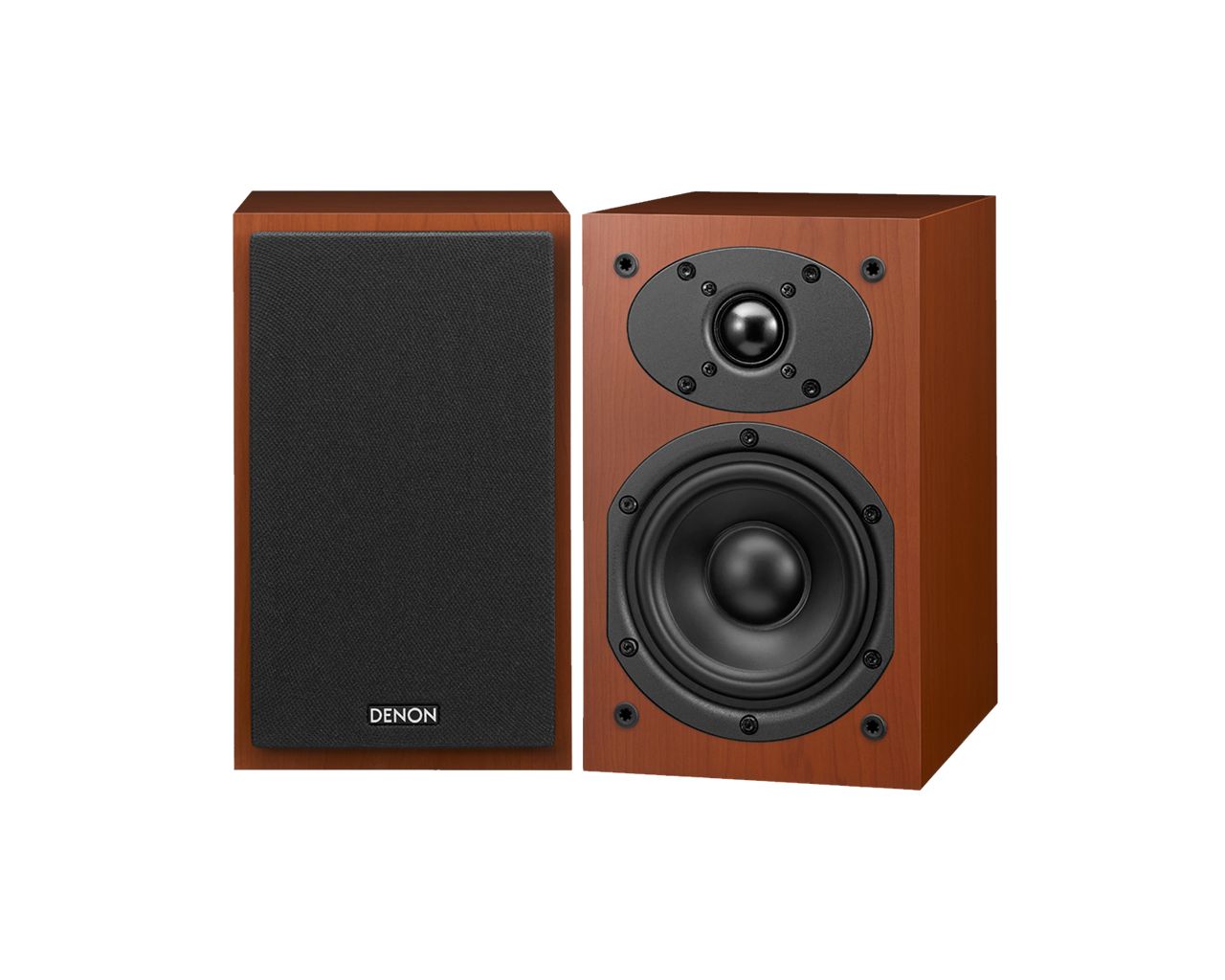
Denon SC-M40 Bookshelf Speakers
120,00 €
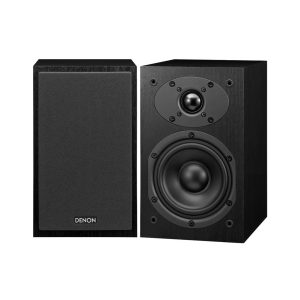
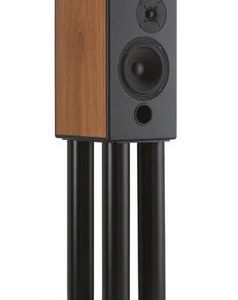
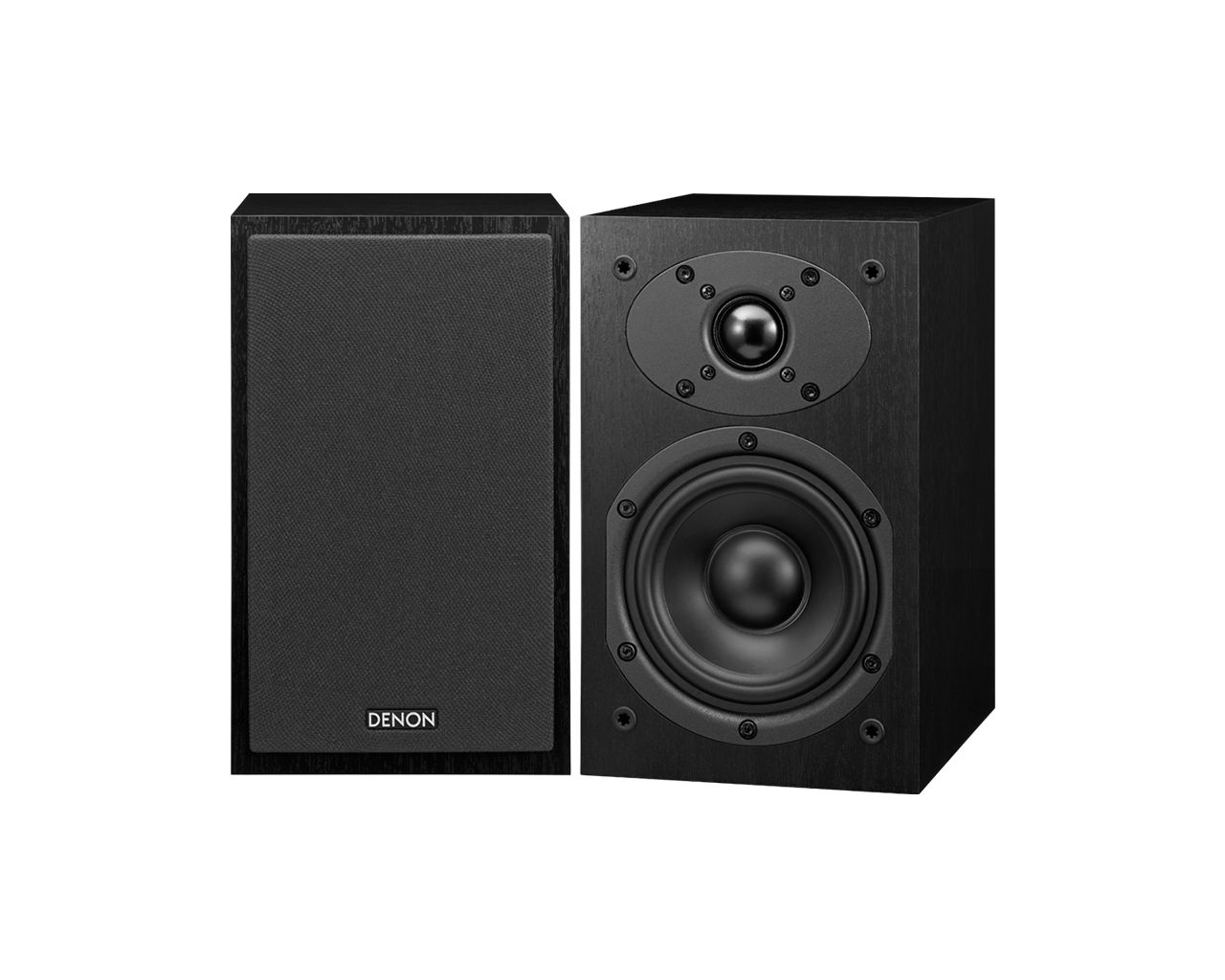
Denon SC-M40 is a pair of passive bookshelf speakers for a stereo system with a separate amplifier. The two-way bass-reflex design uses a 12 cm bass/midrange driver and a 2.5 cm dome tweeter. A crossover network distributes the signal between them and helps deliver smooth, natural sound. The 6-ohm impedance means that the amplifier must be designed to support this load.
Denon SC-M40 bookshelf speakers are a pair of passive two-way speakers for a stereo system. Their bass-reflex design combines a 12 cm bass/midrange driver with a 2.5 cm tweeter. This model requires a separate amplifier.
The speakers’ 6-ohm impedance is an important consideration when choosing an amplifier. The amplifier’s specifications must confirm that it can operate with this load. The stated frequency response of 45 Hz-40 kHz covers bass, midrange and treble frequencies.
Who these speakers are for
These are passive bookshelf speakers designed to be used as a pair. They are suitable for a conventional stereo system with two amplified channels. Each speaker connects to its corresponding left or right channel.
The 145 mm-wide cabinet is easier to accommodate in a compact audio system. Its height of 238 mm and depth of 234 mm should be considered when choosing a shelf, piece of furniture or speaker stands. Allow additional room for the cable, and do not place the cabinet on an unstable surface.
Two-way speaker design
The 12 cm bass/midrange driver reproduces the lower and middle parts of the audio range. The 2.5 cm dome tweeter handles the upper part of the range. Dividing the work in this way allows each driver to operate within its intended frequency region.
The two drivers are integrated by a crossover network made with selected components. The crossover distributes the incoming signal between the two frequency bands. This combination is intended to provide smooth, natural sound reproduction.
Bass-reflex cabinet and positioning
The bass-reflex design uses a cabinet port as part of the speaker’s low-frequency operation. The position of the speakers within the room can therefore affect how much bass you hear. Placing them closer to a wall will generally reinforce the bass, while moving them farther away may produce a more restrained low-frequency balance.
Begin with the two speakers positioned symmetrically in relation to the listening seat. Keep the tweeters at approximately ear height. Aim both cabinets at the same angle and compare several positions. Careful, equal positioning can help create a more precise and stable central stereo image.
Avoid pressing the cabinets into enclosed furniture compartments. Leaving some open space around each speaker makes it easier to adjust its position and assess the result. Choose the final distance from the walls by listening to a familiar recording. Pay attention to vocal clarity, bass control and the stability of the stereo image rather than judging the placement from bass quantity alone.
Connecting the speakers to an amplifier
These speakers connect to an amplifier using speaker cables. Connect one speaker to the left channel and the other to the right channel. Switch off the complete audio system before attaching, removing or changing any cables.
Maintain the same polarity on both channels. The positive terminal on the amplifier must be connected to the positive terminal on the corresponding speaker. Repeat the process for the negative terminals. Reversed polarity on one channel can weaken the central stereo image and reduce the sense of continuity and solidity in the bass.
Before making the connection, check that the amplifier is designed to drive 6-ohm speakers. Do not connect two pairs in parallel to a single channel unless the amplifier supports that type of load. A parallel connection can reduce the total impedance presented to the amplifier.
Initial system setup
When switching on the system for the first time, begin at a low volume. Confirm that both speakers are playing at a similar level and that the left and right channels have not been interchanged. Once the connections have been checked, increase the volume gradually until you reach your normal listening level.
This model does not include a built-in amplifier or volume control. Volume and source selection are handled by the connected amplifier. Leave any tone controls in their neutral positions during the initial setup. Adjust the physical position of the speakers before changing the amplifier’s bass or treble settings, as placement itself can have a significant effect on the balance you hear.
Technical specifications
| Model | Denon SC-M40 |
|---|---|
| Product type | Pair of passive bookshelf speakers |
| Acoustic design | Two-way, bass-reflex |
| Bass/midrange driver | 12 cm |
| Tweeter | 2.5 cm dome |
| Crossover network | Made with selected components |
| Impedance | 6 ohms |
| Frequency response | 45 Hz-40 kHz |
| Dimensions | 145 × 238 × 234 mm (width × height × depth) |
FAQ
Do these speakers require an amplifier?
Yes. These are passive speakers without an integrated amplifier. They cannot be connected directly to a phone or to a standard television audio output. You need an amplifier equipped with dedicated speaker outputs.
What kind of amplifier should I choose?
Choose a model whose specifications confirm that it can operate with a 6-ohm load. The number of amplifier channels must also suit the system you are building. A stereo system requires separate amplified left and right channels.
How can I check whether the left and right channels have been swapped?
Play a recording or test track in which the left and right channels are clearly identified. Check that the sound assigned to each channel comes from the corresponding speaker. If the channels are reversed, switch off the system before correcting the cable connections.
Can the speakers be placed on a shelf?
Yes, but the shelf must be stable and deep enough for the 234 mm cabinet. You must also allow extra space for the speaker cable. Avoid an enclosed compartment that would severely restrict your ability to adjust the speaker’s position.
How should I position them for listening?
Start with a symmetrical arrangement relative to the listening position, keeping the tweeters at approximately ear height. Then play a familiar recording and move the speakers in small increments, comparing the results after each adjustment.
Can they be used in a home cinema system?
They can operate as passive channels connected to an AV receiver, provided that the receiver is designed for a 6-ohm load. Each speaker requires its own amplified channel. The role assigned to that channel is selected in the AV receiver’s configuration.
Can several pairs be connected to one amplifier?
That depends on the load permitted by the amplifier and on the design of its speaker outputs. Do not connect two pairs in parallel without checking this information. The resulting total impedance may fall below the minimum supported by the amplifier.