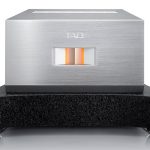
TAD-M700 Power Amplifier
102 000,00 €
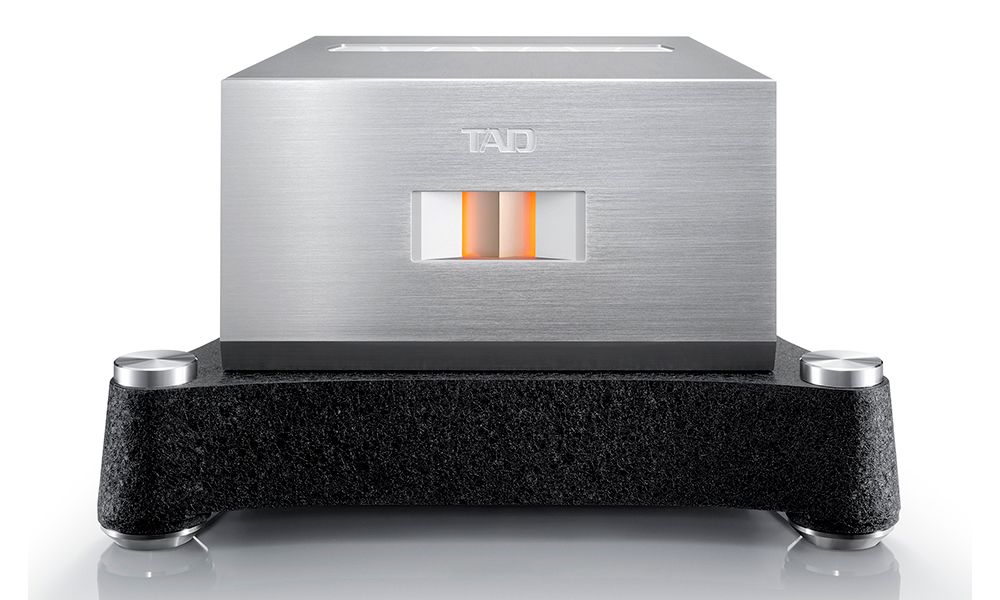
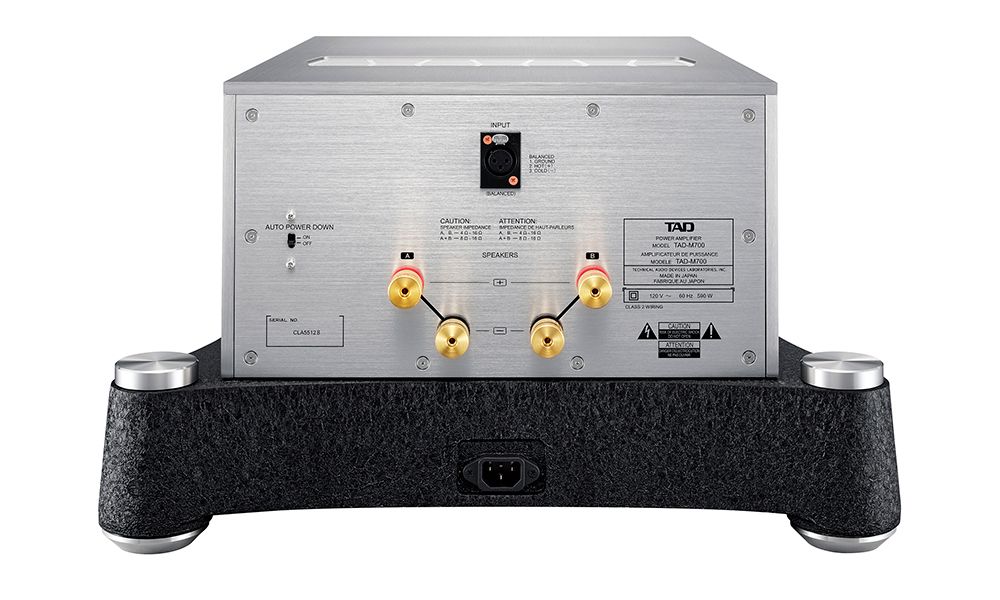
The TAD-M700 is a monaural power amplifier designed for one channel of a high-power stereo or multichannel system. At 1 kHz, it delivers 700 W into 4 Ω or 350 W into 8 Ω. Its symmetrical BTL circuit and cast-aluminium monocoque enclosure reduce differences in the operating conditions of the internal circuits and limit the effects of vibration. A stereo system will normally use two identical monoblocks.
The TAD-M700 power amplifier is a Reference Series monaural power amplifier designed to drive one channel of an audio system. It delivers 700 W when measured at 1 kHz into a 4 Ω load. With an 8 Ω load, its specified output is 350 W at the same measurement frequency.
Symmetrical Amplification Architecture
The TAD-M700 uses a bridged transformerless BTL circuit. Its signal path is designed symmetrically from the input through to the output. The same principle is applied to the circuit topology and printed circuit boards, helping the two sides of the bridged design operate under closely matched conditions.
Two power transformers are positioned symmetrically, while the electrolytic capacitors are mounted in parallel. The internal construction is balanced with regard to the effects of temperature changes, magnetic fields and vibration. This arrangement provides both halves of the BTL circuit with equivalent physical operating conditions.
Aluminium Enclosure and Vibration Control
The cast-aluminium monocoque enclosure has a high internal vibration-damping factor. Components are positioned to improve their resistance to vibration caused by sound pressure from the loudspeakers. The aluminium enclosure also has low electrical resistance.
The chassis rests on four height-adjustable spikes. Each spike makes contact with the supporting surface at a single point. Their adjustable design also allows the amplifier to be levelled accurately when it is placed on a suitable platform.
Positioning and Installation
The amplifier measures 516 × 296 × 622 mm and weighs 74.5 kg. Installation therefore requires a support capable of carrying this load, together with advance planning for safe lifting and positioning. When installing a stereo pair, the available space, total support load and lifting procedure must be considered for two separate units of this size. The 622 mm cabinet depth also makes it important to check the usable depth of the intended shelf or equipment rack.
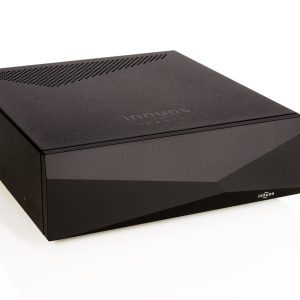
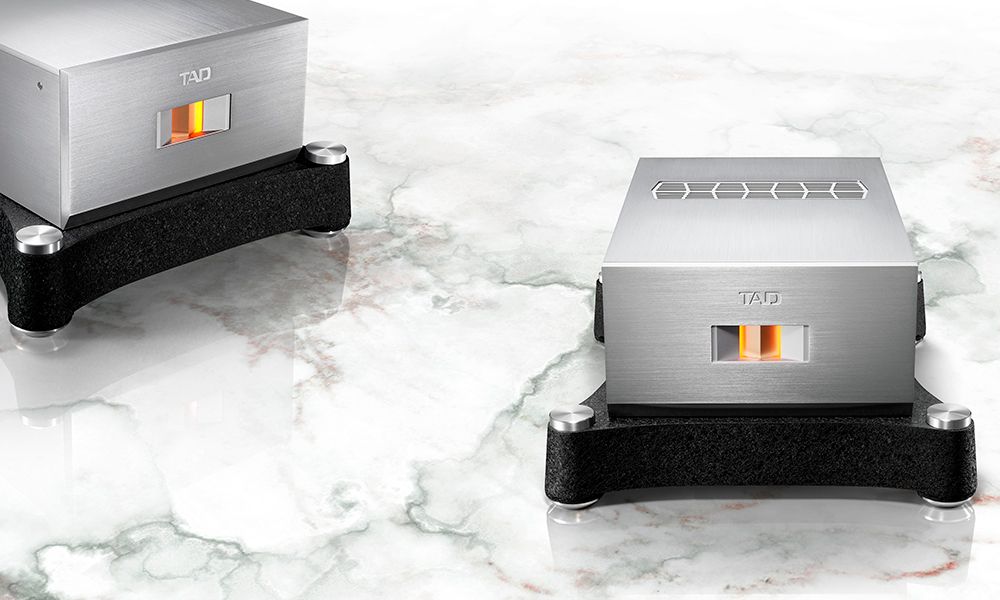
Ventilation openings are located toward the rear of the top panel. Open space must be maintained above these vents so that heat can escape without obstruction. The wide chassis with its low centre of gravity is derived from the TAD-M600. The angle of the four corner feet has been optimised to support the lower centre of gravity.
The cast-aluminium side panels have a gentle curve. Together, the low centre of gravity and the wide spacing of the supports help keep the heavy enclosure stable on an appropriate surface.
Power Supply and Input Stage
The two power transformers have a combined rated capacity of 2.8 kVA. Their symmetrical placement forms part of the amplifier’s balanced internal arrangement.
Connecting the Amplifier to a System
The 1.5 V input sensitivity is an important consideration when selecting a preamplifier capable of supplying an adequate signal level. The 100 kΩ input impedance presents a relatively light electrical load to the signal source. The 29.5 dB gain should also be taken into account when combining different power amplifiers within one system, particularly where consistent channel levels are required. The available information does not specify the physical input connector type, so connection compatibility with a particular preamplifier must be checked separately.
Each TAD-M700 amplifies one channel. A conventional two-channel stereo system will normally use two identical monoblocks. In a multichannel or home cinema installation, a separate amplifier can be assigned to each selected channel.
Understanding the Power Ratings
The stated power figures are given under the specific condition of a 1 kHz measurement frequency. They are not identified as either continuous or short-term output ratings. These values should therefore not be treated as directly equivalent to measurements specified across the full frequency range.
The rated distortion figure of less than 0.005% applies only under its stated test condition: a frequency of 1 kHz, an output of 350 W and a 4 Ω load. When comparing this amplifier with other models, the measurement frequency, power level and load must be matched for the figures to be meaningfully assessed.
Technical Specifications
| Model | TAD-M700 |
|---|---|
| Series | Reference |
| Type | Monaural power amplifier |
| Amplification circuit | Fully symmetrical BTL design |
| Power output | 700 W at 1 kHz into 4 Ω; 350 W at 1 kHz into 8 Ω |
| Rated distortion | Less than 0.005% at 1 kHz, 350 W and 4 Ω |
| Signal-to-noise ratio | More than 125 dB |
| Frequency response | 1 Hz-100 kHz, +0/-3 dB |
| Gain | 29.5 dB |
| Input sensitivity | 1.5 V |
| Input impedance | 100 kΩ |
| Power transformers | 2 transformers with a combined rated capacity of 2.8 kVA |
| Internal layout | Symmetrically arranged circuits, circuit boards, transformers and electrolytic capacitors |
| Enclosure | Cast-aluminium monocoque enclosure with low electrical resistance |
| Supports | 4 height-adjustable spikes with single-point contact |
| Construction | Wide, low-centre-of-gravity chassis derived from the TAD-M600 |
| Ventilation | Openings at the rear of the top panel |
| Dimensions | 516 × 296 × 622 mm |
| Weight | 74.5 kg |
FAQ
How many amplifiers are required for a stereo system?
One monoblock drives one channel. A two-channel stereo system will normally use two identical TAD-M700 amplifiers.
Can it be used in a home cinema system?
Yes. It can be used as the power amplifier for one channel. Every additional channel that requires amplification needs its own unit and a corresponding output from the processor.
What should be considered when choosing a preamplifier?
The preamplifier must provide a suitable signal level. Amplifier gain should also be considered, especially when different power amplifiers are being used for separate channels.
What type of support does this amplifier require?
The support must be capable of carrying the amplifier’s substantial weight and must provide sufficient depth. Its surface must also be suitable for the four spiked supports.
How should the adjustable supports be used?
The height of each support can be adjusted to level the enclosure. The amplifier should stand securely and remain stable on all four spikes.
Can the top of the enclosure be covered?
No. Heat-dissipation openings are located at the rear of the top panel. They must not be obstructed by a shelf, another component or any other object.
Is the stated output a continuous power rating?
The power figures are supplied only with a 1 kHz measurement condition. They are not identified as continuous or short-term power ratings.