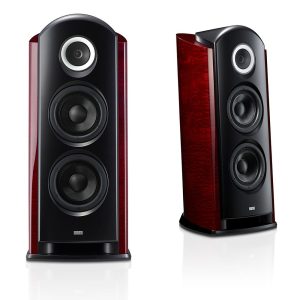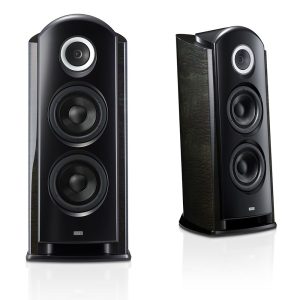

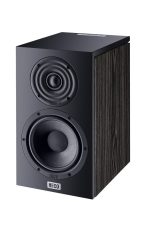
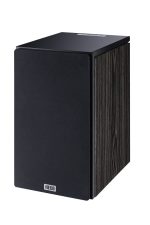

Heco Aurora XT 300 Bookshelf Speaker
Original price was: 650,00 €.420,00 €Current price is: 420,00 €.
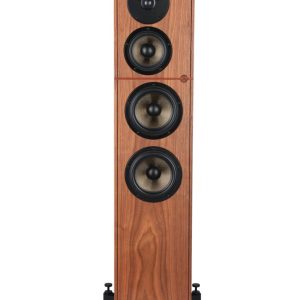
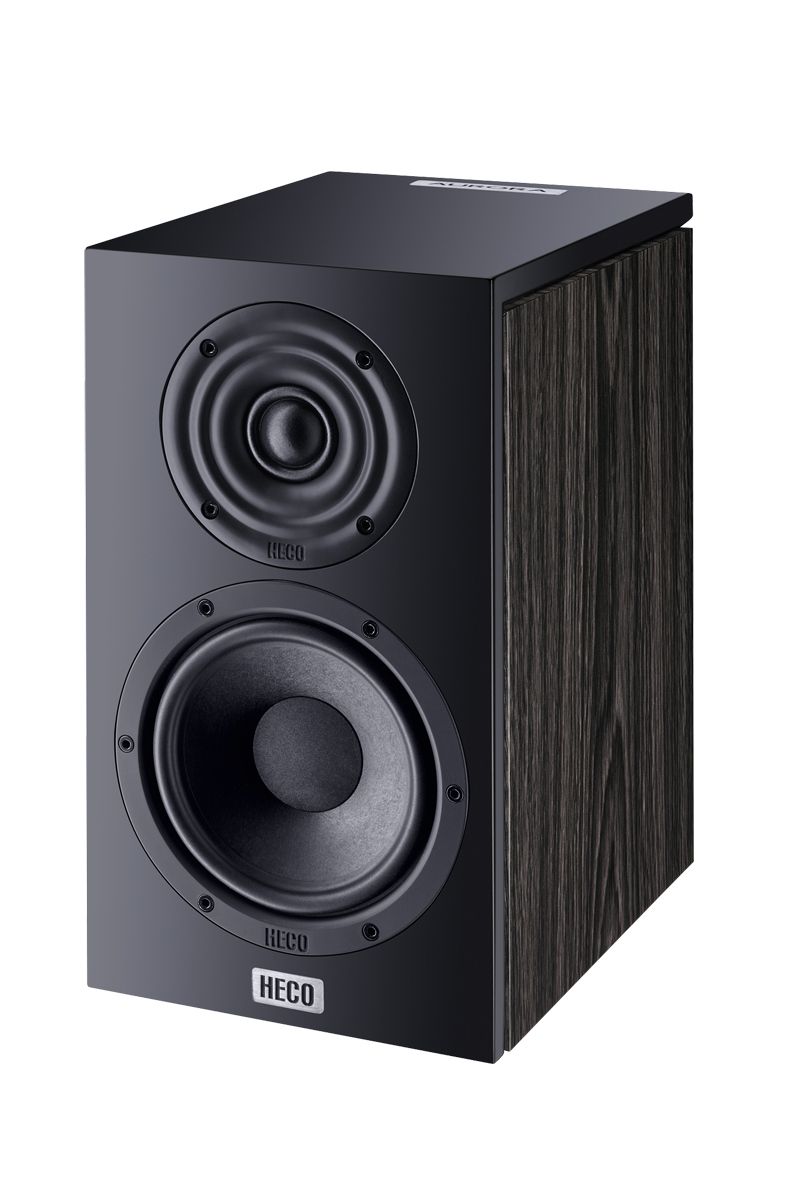
Heco Aurora XT 300 is a two-way bass-reflex bookshelf speaker for a home stereo system. Its 90 dB sensitivity is specified under a 2.8 V / 1 m measurement condition. Recommended amplifier power is 20-150 W, while the 4-8-ohm impedance is an important consideration when matching system components. The 195 mm-wide enclosure is easier to accommodate where space is limited.
Heco Aurora XT 300 is a two-way bass-reflex bookshelf speaker designed for a home stereo system. Its specified sensitivity is 90 dB, measured at 2.8 V from a distance of one metre. The recommended amplifier power range is 20-150 W.
Who is this speaker for?
The bookshelf enclosure is suitable for stereo systems where there is not enough room for floorstanding speakers. It can be placed on a stable piece of furniture or a suitable speaker stand. Its 195 mm width makes planning the available space easier, although you should still leave some free space around the enclosure.
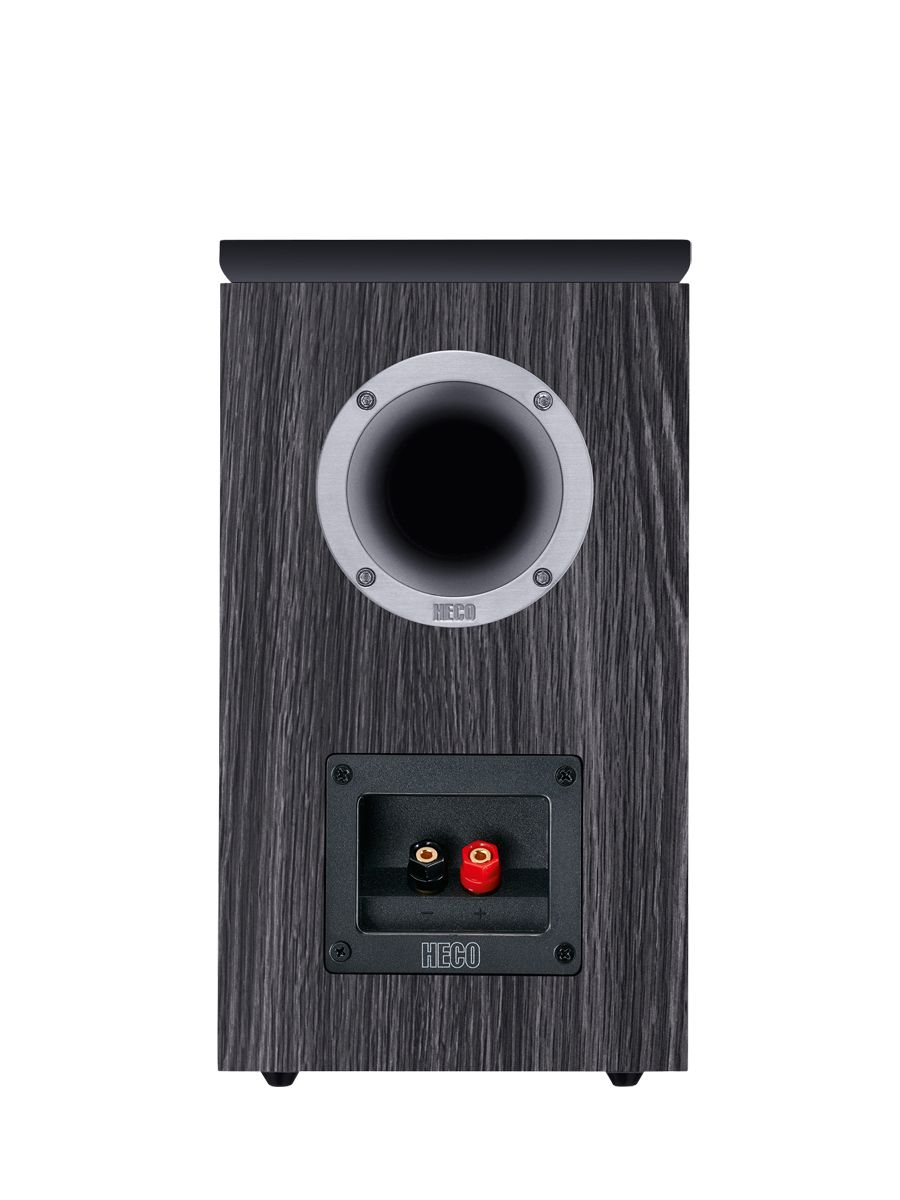
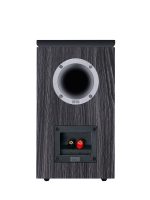
The two-way design divides the reproduced frequency range between separate drivers. The crossover frequency is 3100 Hz. The bass-reflex system uses an enclosure port to support low-frequency reproduction, so the speaker’s position can affect the amount of bass you hear.
Choosing an amplifier
The recommended amplifier power is specified as 20-150 W. When choosing an amplifier, consider more than the highest power figure: the amplifier must also operate reliably with a 4-8-ohm load. Adequate power reserve helps prevent the amplifier from being overdriven when music is played at higher listening levels.
The 80 W RMS rating describes continuous power handling, while 150 W is the stated maximum power. These figures should not be treated as equivalent operating conditions. Increase the volume gradually and reduce it if you hear audible distortion.
The 90 dB sensitivity rating is given for a specific 2.8 V / 1 m measurement condition. This figure is useful when comparing the sound-pressure output of speakers driven with the same voltage. Actual listening volume will also depend on the amplifier, listening distance and room.
Initial setup
Set the volume to a low level when switching on the system for the first time. Check that both stereo channels play at a similar level and that there are no unwanted noises. Only raise the listening level gradually after completing these checks.
Positioning in the room
The enclosure itself is 315 mm deep, while the overall depth including the feet and terminal is 333 mm. Use the larger figure when planning the required shelf depth because it accounts for the parts that project beyond the enclosure.
Place both stereo speakers at a similar height and approximately the same distance from the listening position. Begin with a symmetrical arrangement. If the bass sounds too prominent, move the speakers farther away from the wall. If there is not enough bass, move them closer in small increments, listening from the same position after every adjustment.
The specified 32-42,000 Hz frequency range describes the limits of the reproduced frequencies. Room acoustics and speaker placement have a particularly strong effect on the lowest part of this range. It is therefore best to choose the final position by listening to recordings you know well.
Technical specifications
| Type | Two-way bass-reflex bookshelf speaker |
|---|---|
| Sensitivity | 90 dB at 2.8 V / 1 m |
| Impedance | 4-8 ohms |
| Crossover frequency | 3100 Hz |
| Continuous power handling | 80 W RMS |
| Maximum power | 150 W |
| Frequency range | 32-42,000 Hz |
| Recommended amplifier power | 20-150 W |
| Enclosure dimensions | 195 × 357 × 315 mm (width × height × depth) |
| Dimensions with feet and terminal | 195 × 357 × 333 mm (width × height × depth) |
FAQ
Under what conditions was the sensitivity measured?
The 90 dB sensitivity rating was measured under the specified 2.8 V / 1 m condition. When comparing different speaker models, check whether their sensitivity figures were measured under the same conditions.
How should I choose a suitable amplifier?
The amplifier must operate reliably with a 4-8-ohm load. Its power rating is not the only consideration; it should also provide adequate reserve for your preferred listening volume.
Why are two different depth measurements provided?
The 315 mm figure is the depth of the enclosure. The 333 mm measurement includes the feet and terminal, so it is the more important figure when planning space on a shelf or stand.
How should I begin finding the right position?
Start by positioning the speakers symmetrically and leaving space between them and the wall. Adjust this distance in small increments while assessing the bass balance from your usual listening position.
How should I interpret the RMS and maximum power ratings when choosing an amplifier?
The 80 W RMS figure describes continuous power handling, whereas 150 W is the stated maximum power. Do not treat the two ratings as equivalent when selecting an amplifier: maximum power does not describe continuous operation.