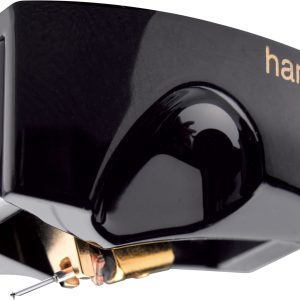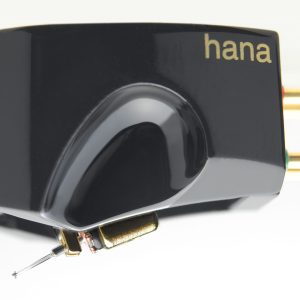

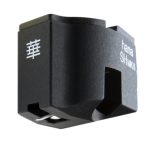
Hana SH MK II Phono Cartridge
750,00 €
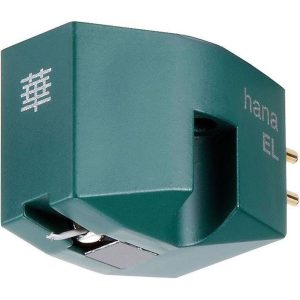
Hana SH MK II is a phono cartridge for home vinyl systems and listeners who take care over precise cartridge setup. Its Shibata-profile stylus tracks fine groove modulations, while the tapered aluminium cantilever transmits its movement. A 47 kΩ phono preamplifier load is recommended for the 2 mV output. The cartridge weighs 8.6 g, so the tonearm’s balancing range should be checked before installation.
Hana SH MK II phono cartridge is designed for playing vinyl records in a home stereo system. It features a Shibata-profile stylus and a tapered aluminium cantilever. Its 2 mV output level and recommended 47 kΩ load should be considered when choosing a phono preamplifier.
The 15-32,000 Hz frequency range covers the audible spectrum and extends into higher frequencies. The black cartridge body weighs 8.6 g, so this weight must be taken into account when matching the cartridge with a tonearm.
Stylus profile and cantilever
The Shibata-profile stylus contacts the groove walls differently from styli with simpler profiles. It is designed to track fine groove modulations, particularly at higher frequencies. The performance of this profile depends on precise cartridge alignment.
The tapered aluminium cantilever connects the stylus to the cartridge’s internal mechanism. Its tapered shape reduces the amount of material toward the stylus, while aluminium provides the cantilever with rigidity. This is important for transmitting movement from the record groove.
Connecting to a phono preamplifier
The cartridge provides an output level of 2 mV at 1 kHz. The phono preamplifier must accept a signal at this level without overloading and provide sufficient gain. An unsuitable gain setting may result in a signal that is too weak or reduced headroom in the audio system.
The recommended load is 47 kΩ. When selecting an integrated or separate phono preamplifier, check its load and input-sensitivity settings. If the preamplifier is adjustable, begin with the specified load.
The cartridge has an internal impedance of 130 Ω at 1 kHz. This figure should not be confused with the recommended phono preamplifier load. They are two different parameters used when assessing electrical compatibility.
Installation and initial setup
The cartridge must be aligned in the tonearm according to the geometry specified for the turntable or tonearm. Check the overhang, offset angle, and stylus position at the alignment points. The Shibata profile responds sensitively to errors in cartridge geometry.
Before setting the tracking force, balance the tonearm and set its scale to zero. Then apply a vertical tracking force of 2 g. If you use a separate stylus force gauge, take the measurement at a level close to the playing height of the stylus.
After installation, set the tonearm’s anti-skating control according to the turntable’s adjustment system. The initial value may correspond to the tracking force, but the final setting depends on the design of the specific tonearm. Assess the stability of both channels by listening to a record you know well.
An output balance of less than 1.5 dB indicates the specified limit for the difference between channel levels, measured at 1 kHz. Channel separation of 28 dB at 1 kHz describes the separation between the left and right channels.
Use and maintenance
Remove dust from the record and stylus before listening. Clean the stylus with a suitable brush, moving it in the same direction as record rotation. Do not apply sideways pressure to the cantilever.
If one channel sounds different from the other, first check the mounting, alignment, and electrical contacts. Also check the tonearm balance and tracking force. These settings directly affect how the stylus sits in the groove.
Technical specifications
| Product type | Phono cartridge |
|---|---|
| Stylus profile | Shibata |
| Cantilever | Tapered aluminium |
| Output level | 2 mV at 1 kHz |
| Output balance | Less than 1.5 dB at 1 kHz |
| Vertical tracking force | 2 g |
| Trackability | 70 µm at 2 g |
| Channel separation | 28 dB at 1 kHz |
| Frequency range | 15-32,000 Hz |
| Internal impedance | 130 Ω at 1 kHz |
| Recommended load | 47 kΩ |
| Weight | 8.6 g |
| Body colour | Black |
FAQ
Which phono preamplifier input should I choose?
Choose an input that supports a 47 kΩ load. The phono preamplifier must be suitable for a 2 mV input signal and provide enough gain without overloading the subsequent stages of the audio system.
How do I set the tracking force correctly?
Balance the tonearm first. Then set the tracking force to 2 g and verify it with a stylus force gauge if you have one.
Why is precise cartridge alignment important?
An incorrect angle changes how the Shibata stylus contacts the groove walls. Align the cartridge using the template specified for your particular turntable or tonearm.
Will the 8.6 g weight suit my tonearm?
Compare this weight with the cartridge-weight range supported by your tonearm. The counterweight must allow you to balance the tonearm and apply the required tracking force.
What does 70 µm trackability mean?
This is a laboratory tracking-test figure specified at a tracking force of 2 g. It describes the cartridge’s ability to follow a test modulation at a defined level, so it should not be treated as a direct measure of everyday sound quality.
What should I check if the channel volumes are different?
Check the contacts, cartridge position, tonearm balance, and tracking force. Only after doing so should you assess the settings of the phono preamplifier and the other components in the system.