Acoustic Energy AE109 Floorstanding Speaker
599,00 €
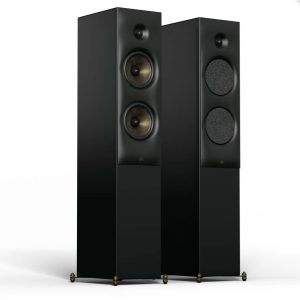
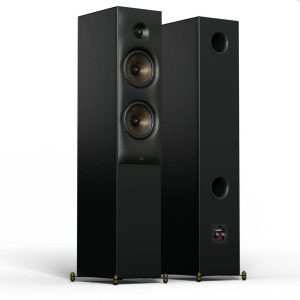
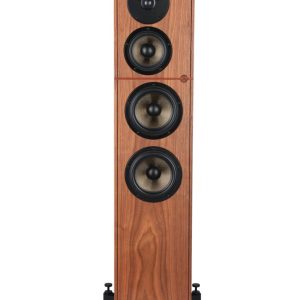
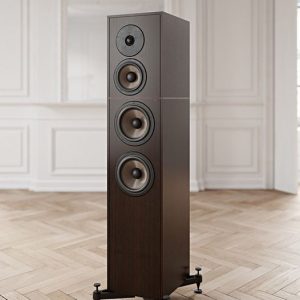
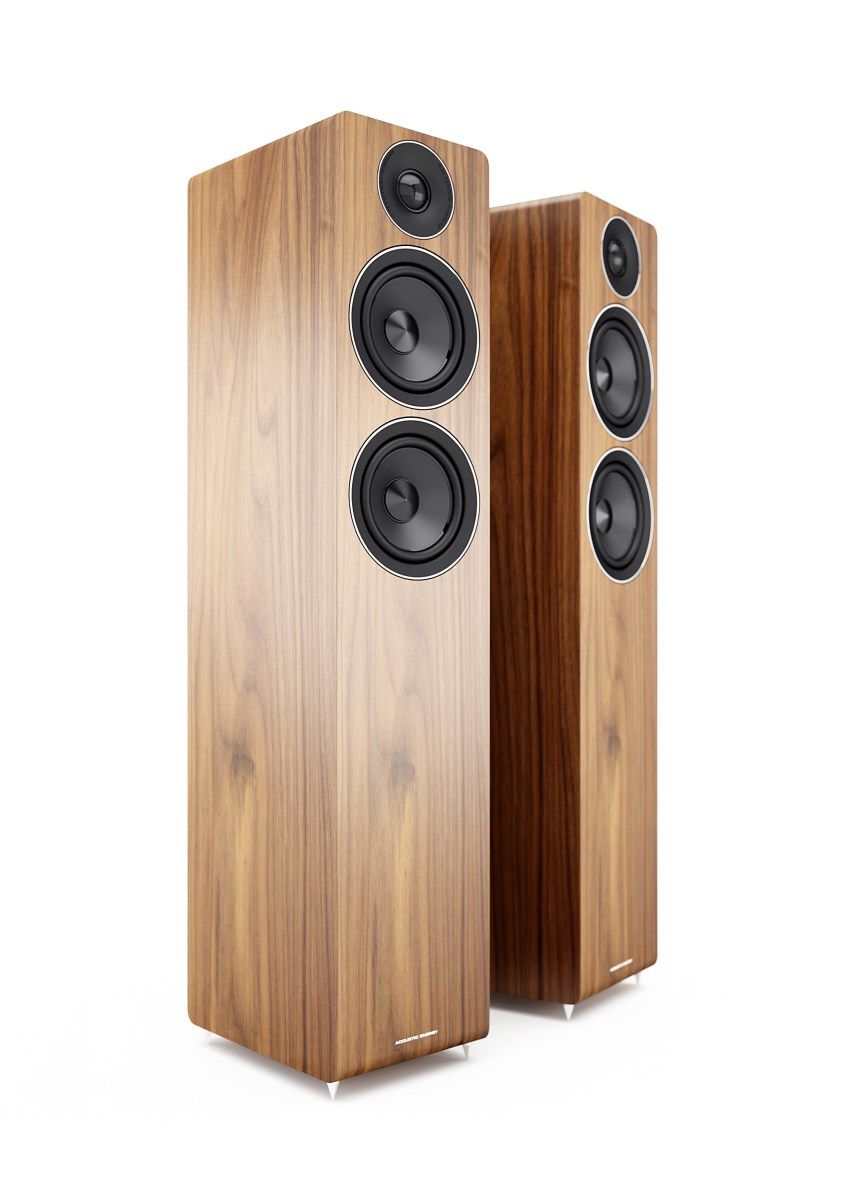
Acoustic Energy AE109 is a passive 2.5-way floorstanding speaker for a stereo music system. Its slim 80 cm-high cabinet helps conserve floor space. Two paper-cone drivers and a 28 mm soft-dome tweeter divide the reproduced frequency range. The nominal 4-ohm impedance requires a suitable amplifier, while the rear bass-reflex port makes careful adjustment of the distance from the wall important.
Acoustic Energy AE109 is a passive floorstanding speaker designed for a stereo music system. Its cabinet measures 800 mm high and just 160 mm wide, so it occupies relatively little floor space. When choosing an amplifier, it is important to consider both the speaker’s impedance and its sensitivity.
Purpose and design
This 2017 model continues the concept of the original AE109 introduced around 20 years earlier. It should not be confused with the later AE109² version. The shape and lines of the cabinet were influenced by Acoustic Energy’s Reference series.
The 2.5-way design uses two approximately 102 mm paper-cone mid/bass drivers. Acoustic Energy’s description also specifies a reinforced magnetic motor system. High frequencies are reproduced by a single 28 mm soft-fabric silk-dome tweeter.
The crossover topology is designed to improve driver integration and power handling. The specified crossover frequency is 2.3 kHz. Attention was also given to the phase and timing alignment of the drivers when developing the system.
Cabinet, grille and finishes
The 240 mm-deep cabinet is made from 18 mm MDF. Its slim, fabric-covered magnetic grille can be removed without leaving visible fixing holes on the front of the speaker. The AE109 is available with either a satin black finish or a walnut-effect vinyl finish.
Connections and amplifier selection
This is a passive speaker, so it requires a separate amplifier. It connects to the amplifier’s speaker outputs using speaker cable. The AE109 does not contain an integrated amplifier, source selector or volume control.
A nominal impedance of 4 ohms means that the amplifier must be suitable for driving this type of load. The 89 dB sensitivity figure is measured at 2.83 V from a distance of one metre. This measurement is useful when comparing the electrical efficiency of the AE109 with that of other speaker models.
The specified nominal power handling of 150 W describes the speaker’s power-handling parameter. It is not a direct recommendation to select an amplifier with exactly the same power rating. When choosing electronics, consider how reliably the amplifier operates with the stated impedance rather than judging compatibility by wattage alone.
Placement and initial setup
The rear bass-reflex port means that the distance between the cabinet and the wall will affect the bass balance. Begin with some space behind the speaker. If the bass sounds too prominent, move the speaker farther away from the wall.
Place the two speakers at similar distances from the listening position. Turning them slightly towards the listener can alter the treble balance and the precision of the stereo image. Because the cabinet is narrow, a level and stable floor surface is especially important.
The speaker has no separate sound controls. During initial listening, leave the amplifier’s tone controls in their neutral positions. Adjust speaker placement first and make any tonal corrections only after the physical setup has been completed.
Technical specifications
| Type | Passive bass-reflex floorstanding speaker |
|---|---|
| Design | 2.5-way |
| Tweeter | 1 × 28 mm soft-fabric silk dome |
| Mid/bass drivers | 2 × approximately 102 mm paper cone |
| Sensitivity | 89 dB at 2.83 V / 1 m |
| Nominal impedance | 4 ohms |
| Nominal power handling | 150 W |
| Crossover frequency | 2.3 kHz |
| Cabinet | 18 mm MDF |
| Bass-reflex port | Rear-mounted |
| Grille | Slim, fabric-covered and magnetic |
| Dimensions | 800 × 160 × 240 mm (height × width × depth) |
| Finishes | Satin black or walnut-effect vinyl |
FAQ
What amplifier should I choose for these speakers?
Choose an amplifier that can reliably drive passive speakers with a low nominal impedance. A matching power figure alone does not guarantee that an amplifier will be suitable.
How do I connect the speaker to an audio system?
Use speaker cable to connect it to the amplifier’s speaker outputs. A line-level audio source cannot be connected directly because the speaker does not have an integrated amplifier.
How should I perform the initial sound setup?
First adjust the distance from the rear wall according to the bass balance, then fine-tune how far the speakers are turned towards the listener. Use the amplifier’s tone controls only after completing the placement adjustments.
How far should the speaker be placed from the rear wall?
There is no single mandatory distance. Change the spacing in small steps until the bass remains clear and does not overpower the midrange.
Is this the same model as the AE109²?
No. This page describes the earlier 2017 generation of the AE109. The AE109² has a different set of specifications, so the specifications of the two models should not be mixed.