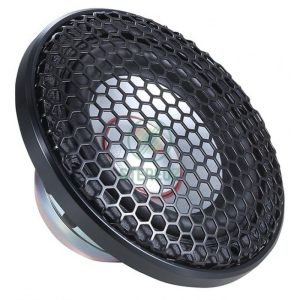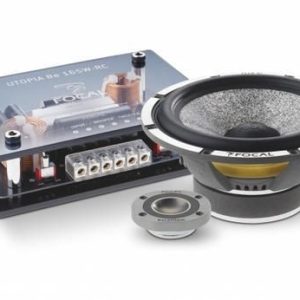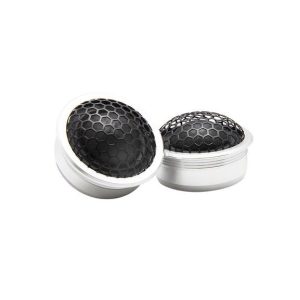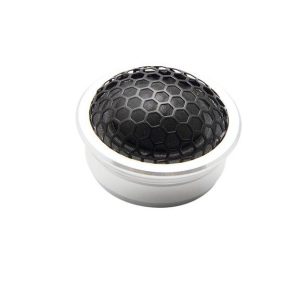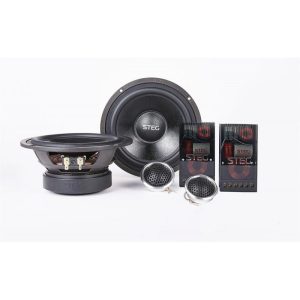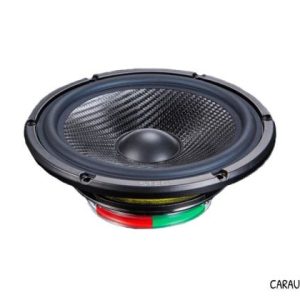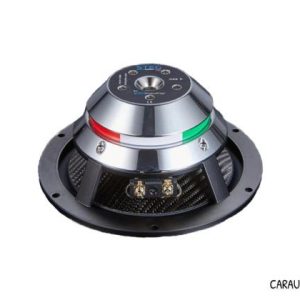
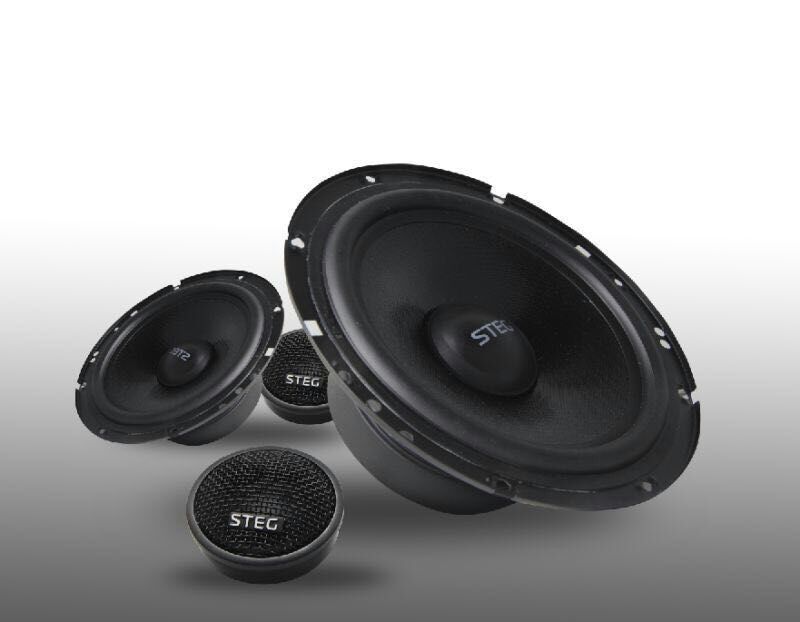
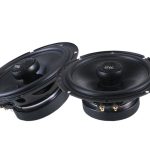
Steg SQ 650C Component Speakers
100,00 €
Steg SQ 650C is described by the seller as a two-way component speaker system for car audio. Installing the different drivers separately allows their positions to be selected for the vehicle interior. The seller-stated power rating is 40 W RMS, the nominal impedance is 4 ohms, and the 88 dB sensitivity is measured using 1 W of power at a distance of 1 m.
Steg SQ 650C component speakers are described by the seller as a two-way component speaker system for cars. The separate drivers can be installed in different locations, allowing their positions to be selected more precisely within the cabin. The seller-stated 40 W RMS power rating helps when assessing system and amplifier compatibility. The seller-stated nominal impedance is 4 ohms.
Purpose of a component system
A component speaker system allows the tweeters to be installed closer to the listeners’ ears. The other drivers are usually fitted in the vehicle doors or factory locations. This arrangement provides more freedom when shaping the soundstage than speakers combined in a single enclosure.
This model is suitable for buyers planning a two-way car audio system. Separate installation positions must be prepared for the different drivers. Correct placement is just as important as the electrical connections.
Connecting the amplifier
The 4-ohm nominal impedance indicates the load presented to the amplifier. Before connecting the system, check that the head unit or amplifier can operate with a 4-ohm nominal load. Do not add other speakers to the same channel without calculating the resulting total impedance.
Connect the speaker cables to the speaker outputs of the car stereo or an external amplifier. Maintain the same polarity on both sides of the vehicle. Reversed polarity on one side may weaken bass reproduction and make the central stereo image less focused.
A two-way system requires frequencies to be divided between the drivers. This can be handled by a suitable passive crossover or a correctly configured active crossover. A tweeter must not receive a full-range signal without the filtering intended for it.
Understanding power and sensitivity
The seller-stated 40 W RMS rated power is not a required amplifier output. Set the amplifier so that distorted signals do not overload the speakers. If the sound becomes harsh as the volume increases, reduce the level.
The seller-stated 88 dB sensitivity is measured using 1 W of power at a distance of one metre. This figure is useful when comparing speakers measured under the same conditions. By itself, it does not define sound quality or maximum achievable volume.
Setting crossovers and levels
For the initial setup, disable strong equalisation and sound-boosting functions. Begin with the amplifier input sensitivity set low, then raise it gradually until music sounds clean at the head unit’s normal listening volume.
If an active crossover is used, adjust its cutoff according to the installed drivers and selected filtering arrangement. Change one setting at a time and listen from the driver’s seat. This makes it easier to distinguish the crossover’s effect from equaliser changes.
Installation and positioning
Install the tweeters as symmetrically as possible on both sides. Initially aim them toward the opposite seat or between the front seats. Choose the final direction by listening for excessive brightness in the high frequencies.
The door mounting surface must be rigid, and the speaker rim must sit tightly against it. An inadequate seal can reduce bass reproduction. Sufficient clearance must also be left for the window mechanism and door trim.
The seller-stated 60-22,000 Hz frequency range describes the reproduction limits. It does not replace a subwoofer when lower frequencies are required. The final result depends on the installation location, crossovers, amplifier and cabin acoustics.
Technical specifications
| Model | Steg SQ 650C |
|---|---|
| Type | Seller-stated: two-way component speaker system |
| Rated power | Seller-stated: 40 W RMS |
| Frequency range | Seller-stated: 60-22,000 Hz |
| Sensitivity | Seller-stated: 88 dB at 1 W power and a 1 m measuring distance |
| Nominal impedance | Seller-stated: 4 ohms |
FAQ
Who are these speakers suitable for?
They are intended for a two-way car audio system with separate mounting positions for drivers covering different frequencies.
Can they be connected to a car stereo?
They can be used with head-unit outputs capable of operating with the seller-stated nominal load. The stated channel power should not be confused with short-term maximum power.
When is an external amplifier worthwhile?
An external amplifier is useful when greater adjustment flexibility and a clean signal are required. Its channels must be compatible with the seller-stated nominal load.
How should I begin tuning the system?
Check the polarity, disable sound adjustments, lower the amplifier input sensitivity and change only one crossover setting at a time.
Where should the tweeters be installed?
Before fixing them permanently, temporarily test several symmetrical positions and aiming angles while listening from the driver’s seat.