
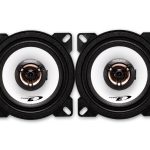

Alpine SXE-17CS Component Car Speaker System
59,00 €
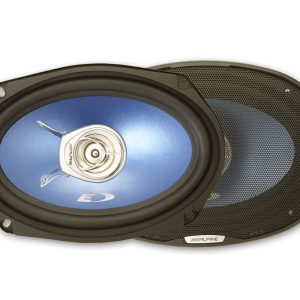
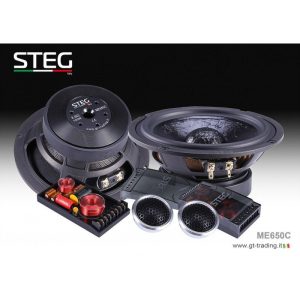
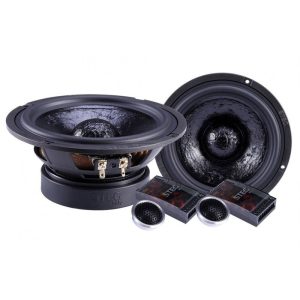
Alpine SXE-17CS is a component speaker system designed for upgrading or assembling an in-car audio system. Its long, structured cellulose-fibre diaphragm is reinforced with a blue titanium-design coating, while rubber is used for the diaphragm surround. The seller-stated 45 W RMS rating helps with matching the system to an amplifier according to continuous power. The seller-stated frequency response is 60 Hz-20 kHz.
Alpine SXE-17CS is a component car speaker system designed for upgrading an existing audio system or assembling a new one. It belongs to the Blue SXE series, which was developed on the basis of the Custom Fit SXE range. Its construction uses a cellulose-fibre diaphragm and a rubber surround.
Who this system is for
A component system is suitable for a vehicle in which separate mounting positions can be chosen for speakers handling different frequency ranges. This arrangement provides greater freedom when shaping the soundstage. The high-frequency source can be positioned closer to the listeners’ ear level, while the other system elements can be installed in the doors or factory mounting locations.
This model is worth considering when you plan not only to replace the speakers but also to optimise their placement. Before installation, compare the vehicle’s openings, available mounting depth and fastening points with the requirements of the system. The electrical load conditions supported by the head unit or amplifier must also be taken into account.
Diaphragm and surround
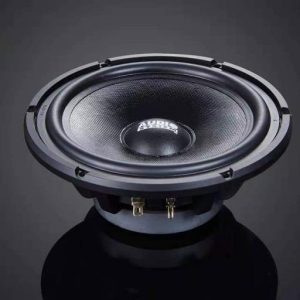
The speaker diaphragm is made from long, structured cellulose fibres. It is reinforced with a blue titanium-design coating. This is a structural coating and should not be confused with a diaphragm made entirely from titanium.
Rubber is used for the diaphragm surround. The surround allows the diaphragm to move forwards and backwards while reproducing the audio signal. During installation, take care not to compress it with trim panels or other finishing components. Sufficient clearance must remain around the moving part.
How to interpret the power ratings
The seller-stated 45 W RMS power rating is the most important reference when matching the system with an amplifier. The RMS figure describes continuous power. The seller-stated 280 W peak power rating refers to a short-duration load, so an amplifier should not be selected on the basis of this figure alone.
A higher amplifier power figure does not automatically guarantee a better result. It is important to set the gain correctly and avoid sending a distorted signal to the speakers. Excessive gain can produce audible harshness before the system reaches its maximum volume.
Frequency response
The seller-stated 60 Hz-20 kHz frequency response covers mid-bass, midrange and high frequencies. The lowest sub-bass range falls outside this response. If lower frequencies are required, the vehicle’s audio system can be supplemented with a separate subwoofer.
When a subwoofer is used, the frequency ranges should be divided through the head unit, processor or amplifier. This prevents several parts of the system from reproducing the same range unnecessarily. The final settings will depend on the mounting positions and the acoustics of the vehicle interior.
Choosing the mounting positions
A speaker installed inside a door requires a stable mounting base. Loose trim or an inadequately sealed mounting point can produce unwanted noises. The mounting ring must not touch the diaphragm or its rubber surround. The lowered window must also remain clear of the speaker’s magnetic assembly.
The direction of the component system’s high-frequency sources has a significant effect on the soundstage. As a starting point, aim them either towards the listeners or towards the opposite seat. Compare both arrangements from the normal driving position. Aiming them too directly can make the high frequencies more prominent.
The left- and right-hand speakers must be connected with matching polarity. If the polarity is reversed on one side, the centre image and bass response may become weaker. After installation, check the result using vocals or another signal that is clearly recorded in the centre.
Connection and initial setup
The load supported by the amplifier must match the electrical impedance of the connected system. Use the RMS rating rather than the peak figure when matching power.
If the head unit or amplifier has a high-pass filter, begin with a setting close to the lower limit of the reproduced frequency range. When listening at higher volume, check whether lower frequencies cause a harsh sound. If they do, raise the filter threshold gradually.
Adjust the final balance only after all parts of the system have been installed. Start with moderate bass and treble adjustment. Then compare different filter and gain settings from the driver’s seat. Change only one parameter at a time so that its effect can be assessed clearly.
Technical specifications
| Model | Alpine SXE-17CS |
|---|---|
| Product type | Component car speaker system |
| Series | Blue SXE |
| Series basis | Custom Fit SXE |
| Diaphragm material | Long, structured cellulose fibres |
| Diaphragm coating | Blue titanium-design reinforcing coating |
| Diaphragm surround | Rubber |
| RMS power | Seller-stated: 45 W |
| Peak power | Seller-stated: 280 W |
| Frequency response | Seller-stated: 60 Hz-20 kHz |
FAQ
When is a component system the right choice?
It is suitable when separate locations can be chosen in the vehicle for speakers handling different frequency ranges. This makes it easier to adjust the direction of the high frequencies and the perceived height of the soundstage.
How should I choose an amplifier?
Match continuous power using the RMS rating. The load supported by the amplifier must also correspond to the impedance of the connected system. The peak rating does not represent continuous operating power.
Does this system require a subwoofer?
A subwoofer is not required for reproducing mid-bass and the main musical frequency range. Choose a separate subwoofer if you want to hear lower sub-bass frequencies.
How can I check polarity after installation?
Play a recording with vocals positioned clearly in the centre. If the voice does not form a focused centre image and the bass sounds weak, check that the left- and right-hand speakers have been connected with matching polarity.
Where should the tweeters be installed?
Their position should be closer to ear level than the lower part of the door. Before securing them permanently, compare several directions while listening from the driver’s seat.
Can this system be used with a factory head unit?
That depends on the load supported by the head unit’s amplifier and the electrical parameters of the connected system. The power rating alone is not enough to determine compatibility.
Is this system intended for home stereo or home cinema use?
No. This model is intended for an in-car audio system. Home audio equipment uses products designed for different power arrangements, installation conditions and room acoustics.
| Skersmuo cm | 16 cm |
|---|---|
| Garsiakalbių tipas | Komponentiniai |