Chord Music Power Mains Cable
5 800,00 €
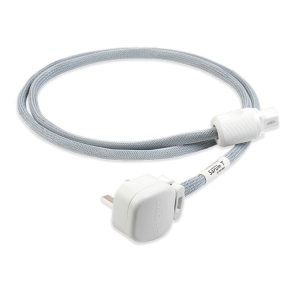
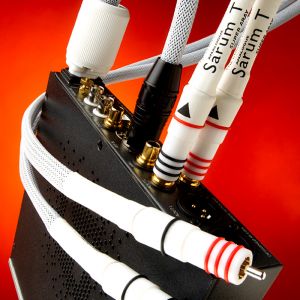
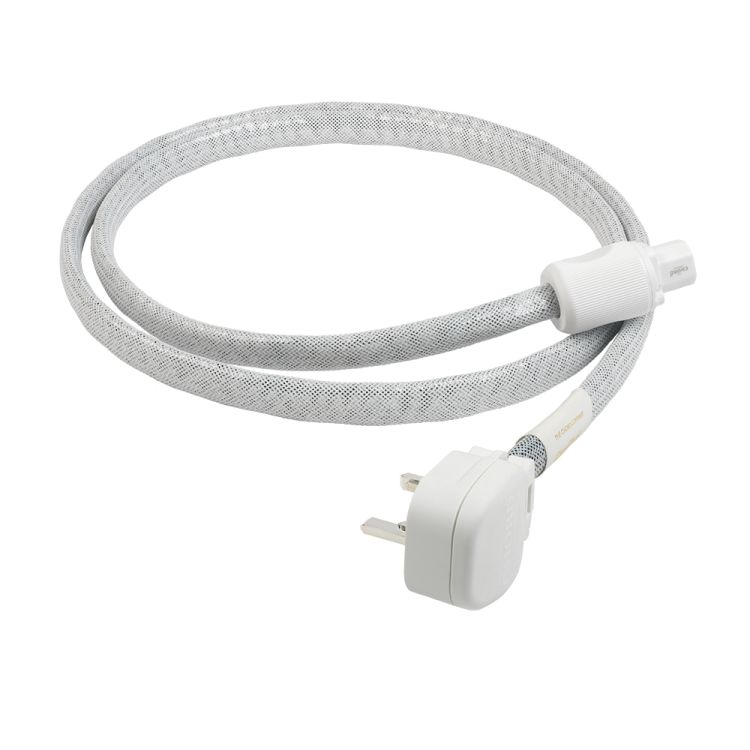
Chord Music Power is a high-end mains power cable designed to connect an audio system component to the electrical supply. Its hybrid construction combines different internal cables, shielding and ARAY solutions. Every internal element uses Taylon® insulation instead of PTFE. The shielding and the version of Super ARAY technology specially modified for this model are intended to reduce the noise floor on the earth conductor. The starting version is 1 m long.
Chord Music Power is a high-end mains power cable designed to connect an audio system component to the electrical supply. It is the flagship model and the most complex design in the manufacturer’s range of power cables. The 1 m version costs €5,800, and each additional metre costs €2,300.
The cable combines a hybrid internal construction with shielding and ARAY solutions. Its materials and construction have been selected with the aim of reducing the noise floor on the earth conductor. This is a technical design objective rather than a promise that the cable will produce the same audible result in every system.
Hybrid internal construction
The hybrid design means that different cables are used inside the product. These are combined with shielding and ARAY elements to form a single construction. This model is not based on repeating one identical type of internal cable throughout its design.
This construction is important when considering the product’s place in the Chord range. It is a complex flagship solution, not a basic mains cable built around a single design principle. The materials used for the internal conductors and the overall cable diameter are not specified, so no unsupported benefits are attributed to either characteristic.
Insulation and shielding
All internal elements use Taylon® insulation instead of PTFE. In this cable, Taylon® is not merely the name of an outer covering. It forms part of the internal cable construction.
The design also incorporates shielding. Together with the selected materials, the shielding has a specific role: helping to reduce the noise floor on the earth conductor. In this context, the term describes electrical noise present in the earthing path, not the audible sound level within the listening room.
Super ARAY technology modified for this model
The cable uses a version of Super ARAY technology that has been specially modified for it. This version was developed specifically for the construction of the Chord Music Power mains cable. It should therefore not be treated as identical to the standard ARAY solutions used in other Chord cables.
Choosing the length and routing the cable
Before selecting a length, measure the actual route from the wall socket to the audio component. Take this measurement after the equipment has been placed in its intended position. Allow for bends in the route and include a small amount of slack so that the cable can be installed without placing strain on its connectors.
If the standard length is insufficient for the required route, the cable can be extended in one-metre increments. Unnecessary excess length can make it harder to arrange the cable neatly behind an equipment rack. A cable that is too short, however, may place constant tension on the connectors or restrict where the component can be positioned.
Avoid sharp bends and do not trap the cable beneath or behind furniture. Leave enough room near each connector for the cable to follow a natural curve. Where the system layout permits, route mains cables separately from signal cables.
Its role in an audio system
This is a power cable, not an audio signal cable or a speaker cable. It is used between the electrical supply and a single audio system component. Adding it to a system does not replace any analogue, digital or speaker connections.
For both stereo and home cinema systems, the choice depends on the particular component being powered rather than the number of channels in the system. The connectors at both ends of the cable must match the wall socket and the component’s power inlet. The electrical requirements of the connected equipment must also be compatible.
Components that receive power separately require separate mains connections. It is therefore sensible to plan the system around the actual number of components, their positions and the route required for each individual cable.
Technical specifications
| Model | Chord Music Power |
|---|---|
| Product type | High-end mains power cable |
| Position in the range | Flagship power cable with the most complex construction |
| Starting length | 1 m |
| Length increments | 1 m increments |
| Internal design | Hybrid construction using different internal cables |
| Insulation | Taylon® on all internal elements, used instead of PTFE |
| Shielding | Integrated into the cable construction |
| ARAY construction | ARAY solutions and a version of Super ARAY specially modified for this model |
| Design objective | To reduce the noise floor on the earth conductor |
FAQ
What is this cable intended for?
It is designed to provide a mains power connection for an audio system component. It is not an analogue, digital or speaker cable.
Can it be used in stereo and home cinema systems?
The type of system is not, by itself, the deciding factor. What matters is the specific component being powered, its power inlet and its electrical requirements.
How does the price of each additional metre affect the choice of length?
Each additional metre costs €2,300, so it makes sense to choose the shortest length that still allows the cable to be routed freely without placing strain on the connectors.
What must be checked before connecting the cable?
The connectors at both ends must be suitable for the wall socket and the component’s power inlet. The installed cable must not pull on the connectors or place sideways pressure on them.
Can one cable power several system components?
One mains cable connects to the power inlet of one component. A separate mains connection must be planned for every additional component.
Does the construction guarantee a particular change in sound?
No specific audible result can be guaranteed. The final effect depends on the connected component, the electrical supply and the audio system as a whole.
Why is it important not to choose a cable that is too short?
A cable that is too short can restrict the position of the component and place strain on the connectors. Adequate spare length allows the cable to be routed without tension.