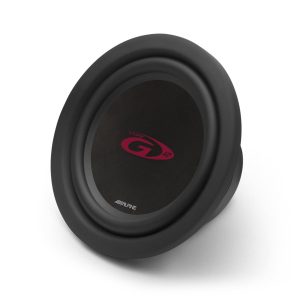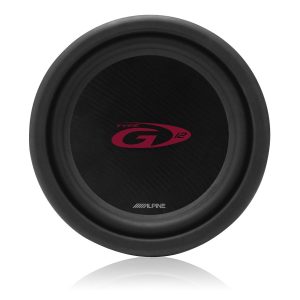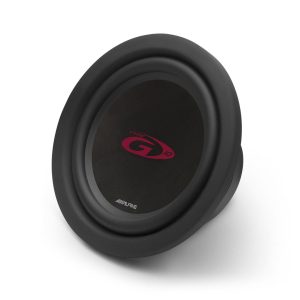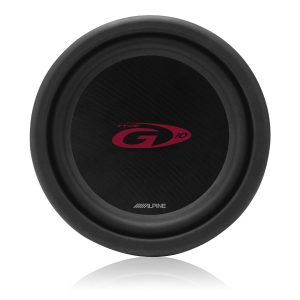
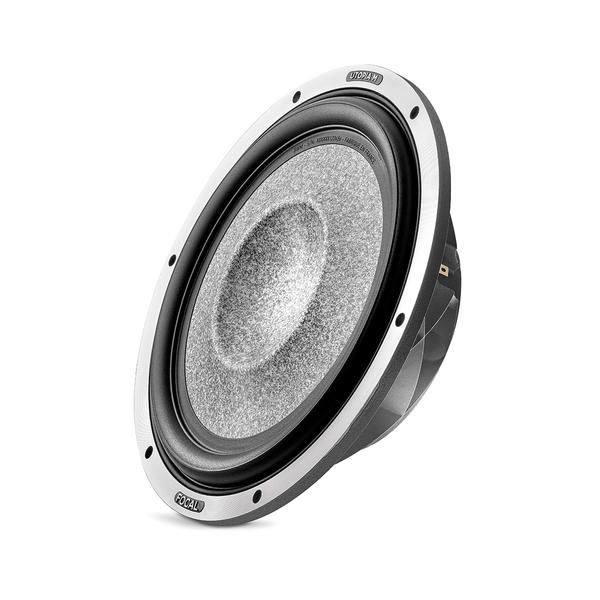
Focal 8 WM speaker
880,00 €
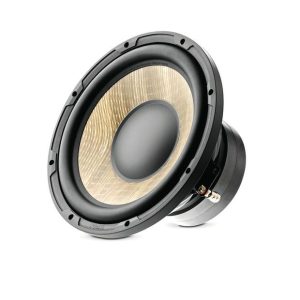
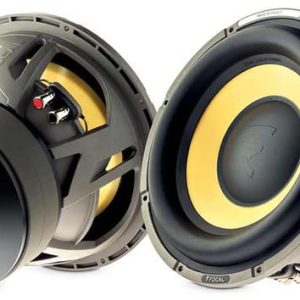
Focal 8 WM is a low-frequency speaker driver for a car audio system. Its 8-inch (20 cm) size helps you plan the installation, but you need the specific mounting dimensions before cutting an opening. The 4 Ω nominal impedance matters when choosing an amplifier output, while the 100 W nominal power rating helps you assess amplifier power. The W-type cone has a butyl surround; one driver is supplied.
Focal 8 WM speaker is an 8-inch (20 cm) low-frequency driver for a car audio system. It is supplied as one driver, with a nominal impedance of 4 Ω and a nominal power rating of 100 W. Both figures matter when choosing an amplifier: its output must be suitable for a 4 Ω load, and its level must be set with this speaker in mind.
Its place in a car audio system
This model is intended for the low-frequency part of the system. One driver lets you plan a single-speaker installation. If you plan to use two, calculate the load presented to the amplifier according to how you connect them. The 4 Ω rating of one driver does not, by itself, tell you the load that several connected drivers will present.
Before installation, allow space for more than the stated 20 cm size. That figure identifies the speaker’s size class; it does not give the cutout diameter or mounting depth. Check the dimensions of the actual driver when planning the opening and the space around it. The cone also needs room to move without touching anything.
Amplifier choice and power settings
The 100 W nominal power rating is the more useful reference when choosing an amplifier. The 200 W maximum power figure should not be treated as a continuous operating rating. Power alone cannot tell you how loud the finished system will sound: amplifier settings, the recording and the installation all affect the result.
The stated 91.8 dB sensitivity was measured at 2.83 V from a distance of 1 m. When comparing it with another speaker’s sensitivity, check the conditions used for each measurement. A figure measured at one watt is not directly the same measure, so comparing the numbers without their units can be misleading.
The 2.7 Ω DC resistance describes the voice coil when measured with direct current. It does not replace the 4 Ω nominal impedance used when assessing the amplifier load. A resistance reading taken with a meter therefore should not be the sole basis for choosing the amplifier.
Construction
The driver has a W-type cone and a butyl cone surround. The surround supports the cone’s outer edge while allowing it to move. These are useful details when identifying the construction of this particular model.
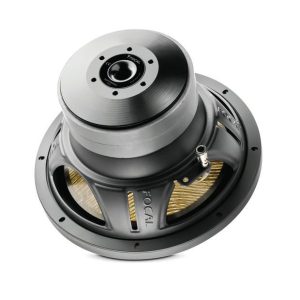
Its 80 mm diameter voice coil has one layer of CCAW wire wound on a fiberglass former. These construction details help distinguish the 8 WM from other drivers. On their own, however, they do not establish the enclosure volume it needs or predict how it will sound in a particular car.
Planning the installation
The driver’s net weight is 1.20 kg. As well as leaving room for the cone, plan a firm mounting surface that can support the driver. Choose the enclosure type and volume using the speaker parameters required for that decision. Power, impedance and diameter alone do not provide enough information to size an enclosure.
Set the low-frequency level after the driver has been installed. Start with a moderate amplifier level, then increase it while listening for sound that remains clean. If the system uses a frequency filter, adjust its cutoff in relation to the other car speakers. Listen to the transition between them so the same low frequencies do not overlap excessively.
Technical specifications
| Type | Low-frequency speaker driver |
|---|---|
| Size | 8 inches (20 cm) |
| Nominal power | 100 W |
| Maximum power | 200 W |
| Sensitivity | 91.8 dB (2.83 V / 1 m) |
| Nominal impedance | 4 Ω |
| DC resistance | 2.7 Ω |
| Cone | W-type |
| Cone surround | Butyl |
| Voice coil diameter | 3 1/8 inches (80 mm) |
| Voice coil former | Fiberglass |
| Voice coil layers | 1 |
| Voice coil wire | CCAW |
| Quantity | 1 driver |
| Net weight | 1.20 kg |
FAQ
What amplifier should I choose for this driver?
Choose an amplifier output suitable for a 4 Ω load. When assessing power, use the 100 W nominal rating as your reference, rather than the maximum power figure. Set the final amplifier level once the system is installed and connected, so you can listen to the result in the car.
Does 200 W mean I can supply that much power continuously?
No. It is the maximum power rating; the stated nominal rating for ongoing use is 100 W. Do not interchange the two figures when choosing an amplifier or setting its level.
Does a 2.7 Ω reading mean this is a 2.7 Ω speaker?
No. The 2.7 Ω figure is the voice coil’s DC resistance. Use the 4 Ω nominal impedance when assessing the amplifier load. The two figures describe the driver under different measurement conditions.
Is the 20 cm size enough to cut the mounting hole?
No. It describes the speaker’s size class, not the cutout measurement. Before cutting, check the specific driver’s external and mounting dimensions, and make sure there is space for the cone to move.
Can I choose an enclosure volume from these specifications?
These figures alone are not enough. Choosing an enclosure volume and type requires additional acoustic parameters. An unsuitable enclosure can change low-frequency reproduction, so its dimensions should not be decided from the 8-inch size alone.
How should I match this driver with the other car speakers?
After installation, adjust its low-frequency level to suit the rest of the system. If you use a frequency filter, listen while setting its cutoff. Aim for an even transition to the other speakers without excessive overlap of the same frequencies.