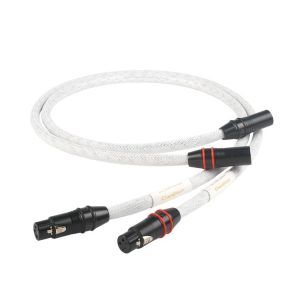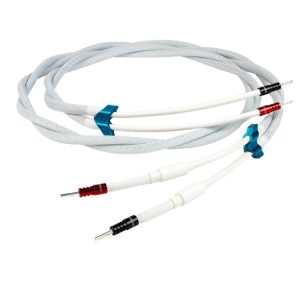
Tellurium Q SD-SC Speaker Cable
1 042,00 €
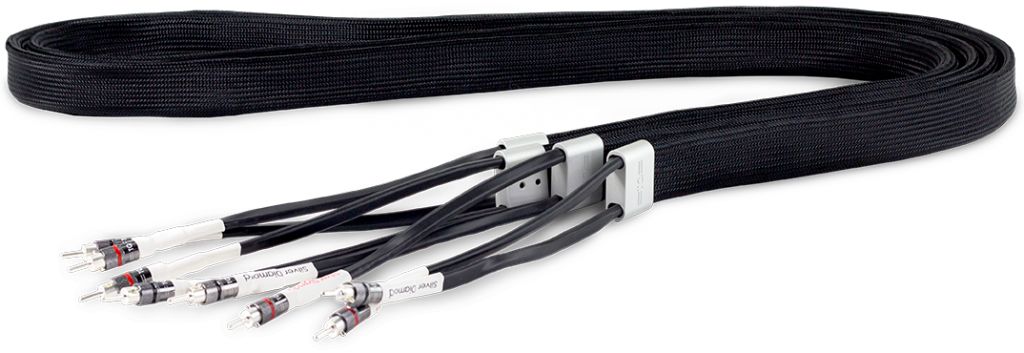
Tellurium Q SD-SC (1 m) is a 1-metre speaker cable for connecting an amplifier to a speaker. The description does not specify whether 1 m means one cable, a stereo pair, or the length for each channel, so the supplied configuration must be confirmed. Silver Diamond sits above Black Diamond in the Tellurium Q range. The retailer recommends playing the third track of the Tellurium Q System Disc in a new system; it has not been established whether the disc is included with the cable.
Tellurium Q SD-SC (1 m) is a 1-metre speaker cable designed to connect an amplifier to a speaker. The available description does not specify whether 1 m refers to a single cable, a stereo pair, or the length supplied for each channel. You should therefore confirm exactly what is included before purchasing.
The Silver Diamond cable sits above the Black Diamond in the Tellurium Q range. This position within the range can help you choose a model suited to the planned level of your system, but it does not by itself define how the cable will sound in any particular setup.
Who is the one-metre version for?
The 1 m length is practical when the amplifier and speaker are positioned close together. Before choosing it, measure the actual route that the cable will follow. Measure around and behind furniture and audio equipment rather than using only the straight-line distance between the terminals.
Allow a little extra length for convenient connection and for moving the equipment when necessary. The cable should not be pulled tight between the terminals. A cable that is too short may place strain on the connections, particularly if the amplifier or speaker is moved.
For a stereo system, assess the routes for the left and right channels separately. Equal cable lengths can make it easier to arrange both channels neatly. Choose the one-metre version only when it is long enough for the longer of the two planned routes.
Connecting the cable to an audio system
This cable carries the signal from the speaker outputs of an amplifier to the terminals of the corresponding speaker. It is not a line-level cable for RCA or XLR connections. The connector type and termination configuration are not confirmed in this description, so check the exact cable variant and its compatibility with the terminals on both components before ordering.
Switch off the amplifier before making any connections. Maintain the correct polarity at both ends: connect the positive terminal to the positive terminal and the negative terminal to the negative terminal. Matching the polarity across both channels helps the speakers operate in the same phase.
Tighten the terminals securely, but do not apply excessive force. The cable’s weight should not pull the connections downwards. If the equipment is installed on a shelf, leave enough space for the cable to bend naturally behind it.
Cable routing
Route the cable freely and avoid sharp bends. Do not wind any unnecessary excess length into a tight coil. Leave enough room behind the amplifier to prevent the cable from being pressed against a wall or the edge of a piece of furniture.
Keep the speaker cable separate from power cables wherever the equipment layout allows. If the routes need to cross, it is preferable for them to cross at an angle. This supports a tidy installation and reduces the likelihood of long parallel cable runs.
Do not route the cable across a walkway or through an area where furniture legs could trap or crush it. Arrange it so that it is protected from being pulled accidentally.
Use in stereo and home cinema systems
In a stereo system, the cable connects one amplifier channel to its corresponding speaker. Separate connections are required for the left and right channels, and the same polarity must be maintained on both sides.
In a home cinema system, the SD-SC can connect an individual AV amplifier channel to the corresponding passive speaker. A separate cable connection must be planned for every channel in use, taking the speaker layout into account.
The cable does not provide volume, phase, or frequency controls. Those settings are adjusted through the amplifier or AV receiver. After connecting the cable, first check the channel assignment, polarity, and the security of the contact at each terminal.
Preparing the system for listening
The retailer recommends playing the third track of the Tellurium Q System Disc after installing the cable in a new system. According to the retailer, this procedure also applies when the cable has already been run in on another system. It has not been established whether the System Disc is supplied with the cable. Play the track only after all connections have been completed.
After the procedure, check both stereo channels separately. Sound should come from the intended speaker, and the amplifier terminals should remain securely tightened. If any equipment has been repositioned, inspect the cable route and the strain on the connections again.
Technical specifications
| Manufacturer | Tellurium Q |
|---|---|
| Model | SD-SC |
| Product name | Silver Diamond |
| Type | Speaker cable |
| Cable length | 1 m; supplied unit not specified |
| Purpose | Connecting an amplifier to a speaker |
| Position in the range | Above the Tellurium Q Black Diamond |
| Preparation recommendation | As directed by the retailer, play the third track of the Tellurium Q System Disc when installing the cable in a new system |
| System Disc included | Not established |
FAQ
What exactly does the stated 1 m length mean?
The description does not clarify whether this means one cable, a stereo pair, or a one-metre length for each channel. Confirm the supplied unit before purchasing.
Can this cable be used in a stereo system?
Yes. It is intended to connect an amplifier channel to the corresponding speaker. Make the left- and right-channel connections with matching polarity.
Is it suitable for a home cinema system?
It can be used between an AV amplifier channel and the corresponding passive speaker. A separate connection is required for each channel being used.
How should I choose the correct connectors?
The connector type and termination configuration are not confirmed in this description. Before ordering, check the exact cable variant and make sure it is compatible with the terminals on both the amplifier and speaker.
How do I maintain the correct polarity?
Connect the amplifier’s positive terminal to the speaker’s positive terminal. Do the same with the negative terminals, then repeat the process for the other channel.
When should the third System Disc track be used?
The retailer recommends playing it after connecting the cable in a new system, including when a cable previously run in elsewhere is moved into that system. It has not been established whether the System Disc is included with the cable.
How does Silver Diamond differ from Black Diamond?
Silver Diamond sits above Black Diamond in the Tellurium Q range. When choosing between them, consider the configuration of the complete system and the required cable length.