

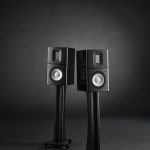
Raidho X1T Speaker Stand
695,00 €
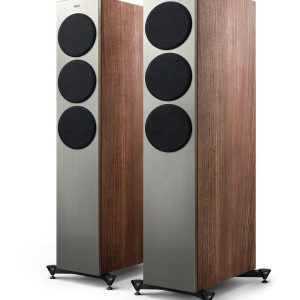
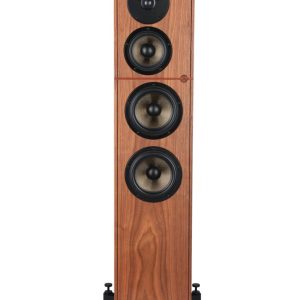
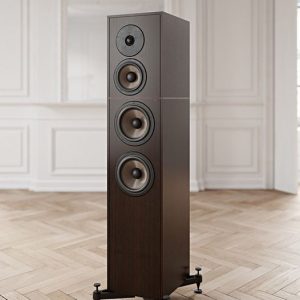
The Raidho X1T Speaker Stand is designed for the Raidho X1T speaker. It lets you position the speaker independently of furniture and plan a stereo pair more precisely. The stand has no audio connections or controls. The speaker connects directly to your chosen amplifier, while the stand position is adjusted according to the listening point and room layout.
The Raidho X1T Speaker Stand is designed specifically for the Raidho X1T speaker. It provides a dedicated position for the speaker within a stereo or home cinema system, without requiring the speaker to be placed on a cabinet or another item of furniture. This is a passive accessory, so it does not connect to an amplifier or the mains power supply.
Purpose and selection
The main factor to consider when choosing this stand is the speaker model you use. This product is intended specifically for the Raidho X1T. Compatibility with other Raidho speakers or models from other manufacturers is not specified, so it should not be assumed.
A separate stand allows you to choose the speaker position independently of cabinets, shelves, and other furniture. This gives you greater freedom when adjusting the distance between the speaker and the listening position, as well as the placement of the left and right channels.
Each speaker in a stereo pair requires its own support. Choose the number of stands according to the number of X1T speakers used in your system. For a wider multichannel arrangement, apply the same principle to every X1T speaker that requires a stand.
Positioning the speakers in the room
Begin with a symmetrical arrangement of the left and right speakers. Keep both speakers the same distance from the main listening position and point them inward at matching angles. This gives you a clear and consistent starting point from which to make further adjustments.
Change the distance from the walls in small increments. After each adjustment, listen to the same familiar recording. Using material you know well makes it easier to assess changes in the soundstage, the stability of centrally positioned voices, and the balance of low frequencies.
Avoid placing a stand where it could be struck by an opening door or by people regularly walking through the room. Route the speaker cables so that they do not pull on the speaker or create an obstruction. The cable should have enough slack to accommodate small positioning and angle adjustments without tension.
Use within an audio system
In a stereo system, separate stands help you maintain consistent positioning for both speakers. Start with equal distances and matching angles, then fine-tune the final toe-in while listening from your usual seat. Make controlled changes so that you can judge how each adjustment affects the presentation.
In a home cinema system, position the stands according to the channels assigned to the X1T speakers. The stand does not alter the amplifier settings, the speaker’s electrical characteristics, or its compatibility with the amplifier. Those considerations remain dependent on the X1T speaker itself and the electronics used in the system.
If your system contains several X1T speakers, position each one according to the purpose of its assigned channel. Matching distance and direction are particularly important for channels that operate as a symmetrical pair. The stand provides an independent placement point, while the final layout should follow the intended channel arrangement and the room’s practical limitations.
Connection and initial setup
The stand has no audio connections or electronic controls. Speaker cables connect directly between the X1T and your chosen amplifier. Plan the position of each stand before completing the final cable route, as this helps you leave sufficient cable length and avoid paths that interfere with normal movement around the room.
First, mark the initial positions of both stands. From that baseline, change only one parameter at a time: the distance from the listening position or walls, the speaker angle, or the space between the speakers. Listening after each individual change makes its effect easier to identify and helps prevent several simultaneous adjustments from obscuring the result.
Once you have found a suitable arrangement, check that each stand remains outside normal walking routes and that no cable is under strain. If you later move furniture or change the listening position, repeat the same gradual process rather than assuming that the previous speaker angles and distances will remain appropriate.
Technical specifications
| Product type | Speaker stand |
|---|---|
| Designed for | Raidho X1T speaker |
FAQ
Which speaker is this stand designed for?
It is designed for the Raidho X1T speaker. Compatibility with other Raidho models or speakers made by other manufacturers is not specified.
How many stands do I need for a stereo system?
Allow one separate stand for each speaker in the stereo pair. Select the purchase quantity according to the number of X1T speakers used in your system.
Does the stand need to be connected to an amplifier?
No. It is a passive speaker accessory with no audio connections. The amplifier connects directly to the speaker using speaker cables.
How should I begin positioning a stereo pair?
Place both stands symmetrically in relation to the main listening position. Then adjust the angle and distance of both speakers equally, listening after each small change.
Can the stand be used in a home cinema system?
Yes, when Raidho X1T speakers are used in the system. Choose the stand positions according to the channels assigned to those speakers.
Does the stand affect the choice of amplifier?
No. The stand has no electrical parameters and does not change compatibility between the speaker and amplifier. Select the electronics according to the requirements of the X1T itself.
How can I plan a safe cable route?
Route each cable without tension and leave enough length to turn or reposition the speaker. Avoid locations where the cable could obstruct people walking through the room.
![Patricia Barber Café Blue [Un-Mastered] jazz album](https://audiocentras.lt/wp-content/uploads/2026/09/patricia-barber-cafe-blue-un-mastered-1-1-300x300.jpg)