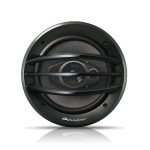
Pioneer TS-A6933IS Car Speaker
87,00 €
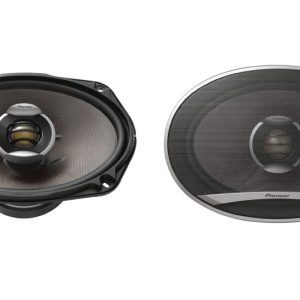
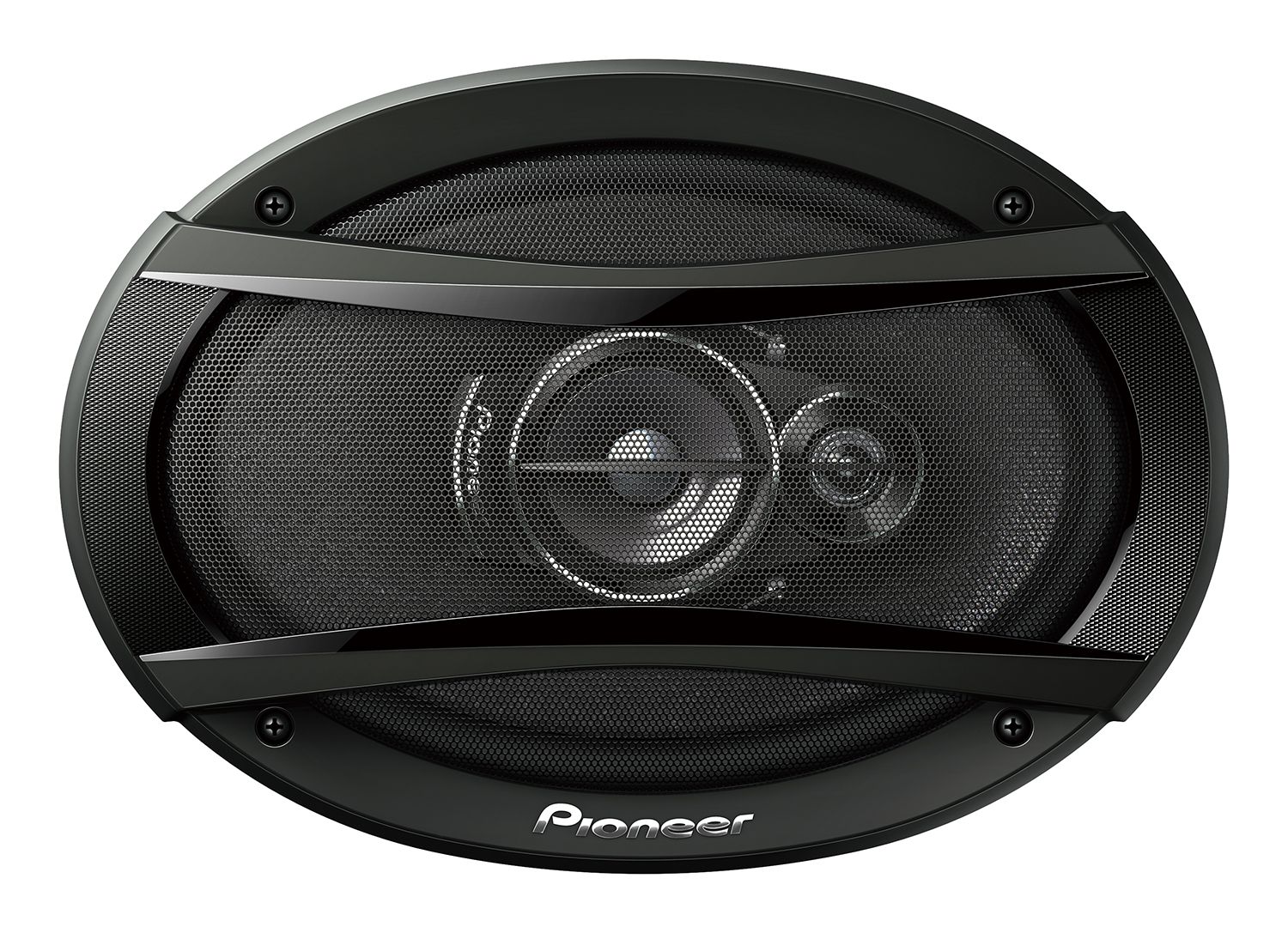
Pioneer TS-A6933IS is a 6 × 9-inch, three-way coaxial car speaker. Its 4 Ω impedance allows it to be connected to a channel designed for that load. The 90 W rated power is the main reference when selecting an amplifier. A 57 mm midrange driver and an 18 mm tweeter are integrated into the same assembly.
Pioneer TS-A6933IS is a 6 × 9-inch, three-way coaxial car speaker. It is designed for in-car audio systems with channels that support a 4 Ω load. The model has a rated power of 90 W and a maximum input power of 550 W.
The coaxial design places drivers for different frequency ranges in a single mounting location. This is particularly useful in vehicles that do not have separate mounting positions for midrange drivers and tweeters.
Who this model is for
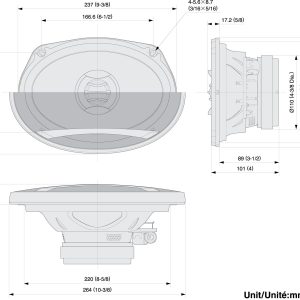
This model is suitable for a car audio system prepared for a 6 × 9-inch speaker. This nominal size is commonly used for oval speaker locations. However, the size alone does not define the exact opening, mounting depth or fixing-point arrangement.
Before installation, compare the vehicle’s speaker opening with the physical dimensions of the speaker. It is equally important to inspect the available space behind the mounting position. There must be sufficient clearance for both the magnet and the connections.
Three-way coaxial design
The woofer, midrange driver and tweeter are combined within one 6 × 9-inch assembly. The midrange driver has a diameter of 57 mm, while the tweeter measures 18 mm.
Because all of the drivers share one location, they do not need to be installed separately. The direction in which the higher frequencies travel is determined by the position of the complete speaker. The angle and orientation of the mounting location can therefore affect the sound heard from the driver’s and passengers’ seats.
A three-way configuration does not mean that this product consists of three separately installed components. It is a coaxial speaker and should not be confused with a component speaker system.
Cone and voice-coil former
The woofer uses a Multilayer Mica Matrix multilayer cone. This is the specific cone material used in this model and is relevant when assessing its construction or comparing it with replacement car speakers.
The voice-coil former is made from glass-imide. This structural part belongs to the speaker’s drive system. It is not a separate accessory or an additional installation component.
Matching the speaker to a car audio system
The nominal impedance of one speaker is 4 Ω. It should be connected to an amplifier or head-unit channel designed to operate with this load. Using an unsuitable load can change the amplifier’s operating conditions.
If several speakers are to be connected to one channel, the wiring arrangement changes the combined impedance. Two 4 Ω speakers connected in parallel create a lower load. The amplifier must be designed to support that resulting load.
When installing multiple matching speakers, keep the polarity consistent. A speaker connected with reversed polarity may weaken the bass at the listening position. Check polarity using the terminal markings on both the speaker and the amplifier.
Power selection and frequency range
The 90 W rated power is the more useful reference when matching an amplifier than the maximum-power figure. The 550 W specification indicates maximum input power and should not be treated as the speaker’s continuous operating power.
The stated frequency response covers 28-24,000 Hz. Actual sound inside a vehicle is also affected by the mounting location, cabin surfaces and audio-system settings. The stated range does not, by itself, determine how strong the bass will sound in a particular vehicle.
The 91 dB sensitivity should only be compared with other speakers when the same measurement conditions are used. When setting system levels, it is best to begin with neutral equaliser settings. The sound can then be adjusted from the normal listening position.
Installation orientation and setup
The speakers for both channels should be installed under conditions that are as similar as possible. Differences in trim coverage or in how the speakers face nearby cabin surfaces can alter the balance between the channels. Grilles and interior trim must not press against the moving cone.
After installation, begin at a low volume and check both channels. Make sure there is no mechanical contact and that the surrounding trim does not vibrate. Only then should you increase the volume gradually and adjust the system filters.
If the system includes a subwoofer, adjust the frequency distribution according to the overall sound. Begin from a neutral setting, then make changes so that the bass ranges do not overlap excessively and no audible gap remains between them.
Technical specifications
| Model | Pioneer TS-A6933IS |
|---|---|
| Type | Coaxial car speaker |
| Configuration | Three-way |
| Nominal size | 6 × 9 inches |
| Impedance | 4 Ω |
| Frequency response | 28-24,000 Hz |
| Sensitivity | 91 dB |
| Maximum input power | 550 W |
| Rated power | 90 W |
| Woofer cone | Multilayer Mica Matrix multilayer cone |
| Midrange driver | 57 mm |
| Tweeter | 18 mm |
| Voice-coil former | Glass-imide |
FAQ
Is this model a component speaker system?
No. It is a three-way coaxial model with its different frequency drivers combined in a single assembly. They do not require separate mounting locations.
How should I choose a suitable amplifier channel?
Use a channel designed for a 4 Ω load. When matching power, use the 90 W rated figure as the main reference rather than the 550 W maximum value.
Is the nominal 6 × 9-inch size enough to confirm that it will fit?
No. The mounting opening, installation depth and fixing points must also match. There must also be enough space behind the speaker for the magnet.
How should I check the connection after installation?
Begin at a low volume and listen to both channels. Weak bass may indicate inconsistent polarity between the channels.
Can two speakers be connected to one channel?
Two 4 Ω speakers wired in parallel create a 2 Ω load, so the amplifier channel must support that load.
Is this model suitable for a home stereo or cinema system?
This model is designed for an in-car audio system. Its 4 Ω impedance alone does not confirm suitability for a home amplifier or installation without an appropriate enclosure.
How should I begin adjusting the sound?
Start with a neutral equaliser and equal channel levels. You can then adjust the settings from the usual listening position inside the vehicle.