


Octave Jubilee Mono SE Valve Power Amplifier
75 000,00 €
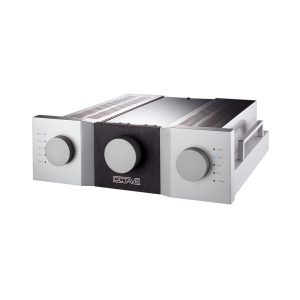
Octave Jubilee Mono SE is a valve monoblock power amplifier designed for one channel of a high-end stereo system. Each unit uses eight vacuum tubes with individual bias adjustment. The top-mounted display and dedicated valve selector simplify checking and replacement. After more than ten minutes without a signal, Ecomode switches off the high-voltage supply.
Octave Jubilee Mono SE is a valve monoblock power amplifier designed to drive one channel of a stereo system. Each amplifier uses eight vacuum tubes. Its stated output is 440 W per channel, although the measurement conditions are not provided.
Single-channel design
The monoblock design allows each stereo channel to have its own dedicated power amplifier. A two-channel system therefore requires separate monoblocks for the left and right speakers. Volume and source selection are normally handled by a separate preamplifier.
The amplifier uses specially developed output transformers. Winding one transformer takes a full working day. This is a complex part of the design, created specifically for the amplifier’s valve output stage.
Valve adjustment and replacement
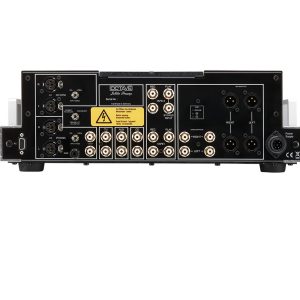
Each of the eight valves has its own 10-turn bias adjustment potentiometer. These potentiometers are located on the rear panel. A digital display on the top shows the measurement information, while a rotary selector is used to choose the valve being adjusted.
This arrangement makes it possible to check each valve systematically. It also simplifies the replacement of a faulty valve or the complete valve set. The specified tuning options include KT88, 6550, KT120 and KT150 valves. Different valve types should not be treated as automatically interchangeable without the correct operating settings.
Power management
The Octave power management system brings the operating voltages up gradually. This start-up process reduces stress on the components. It also limits the initial current surge that could otherwise trip a household mains fuse.
The Ecomode circuit activates standby when no input signal has been detected for more than ten minutes. The high-voltage supply is then switched off, while the input stages remain powered. A sound heard when switching the amplifier on or off is caused by the protection relay operating.
Construction and placement
The front features side sections machined from solid aluminium and a central section made from stone. These substantial materials help damp mechanical resonance in the enclosure. The amplifier also stands on specially selected feet.
Place the monoblock on a stable, level surface and allow enough free space for heat from the valves to escape. The top-mounted display should remain visible, while the rear controls and connections must be easy to reach.
Speaker connection
The amplifier is fitted with substantial speaker terminals and gold-plated connections. Each monoblock connects to the speaker assigned to its left or right channel. Switch the amplifier off before changing speaker cables or valves.
Technical specifications
| Product type | Valve monoblock power amplifier |
|---|---|
| Number of channels | 1 |
| Output power | 440 W per channel; measurement conditions not provided |
| Number of valves | 8 per amplifier |
| Specified valve types | KT88, 6550, KT120 and KT150 |
| Bias adjustment | 8 individual 10-turn potentiometers |
| Control location | Rear of the amplifier |
| Measurement display | Top-mounted digital display |
| Valve selection | Rotary selector for choosing each valve |
| Output transformers | Specially developed; winding one transformer takes a full working day |
| Power management | Gradual start-up of operating voltages |
| Ecomode | Standby after more than 10 minutes without an input signal |
| Standby operation | High-voltage supply switches off while the input stages remain powered |
| Protection relay | Operates when the amplifier is switched on and off |
| Front materials | Machined aluminium and stone |
| Supports | Specially selected feet |
| Speaker connection | Substantial speaker terminals |
| Connection finish | Gold-plated connections |
| Version | Retains the design of the earlier Jubilee Mono; SE added to the model designation |
FAQ
Is one monoblock enough for a stereo system?
No. One monoblock amplifies one channel. A two-channel stereo system requires a separate amplifier for each speaker.
How is the amplifier controlled within a system?
This is a power amplifier, so source selection and volume are normally controlled by a separate preamplifier. Each monoblock sends the signal for its assigned channel to the corresponding speaker.
How is the bias of each valve adjusted?
Select the valve using the rotary selector on the top. Read the measurement on the display, then make the adjustment using the corresponding potentiometer on the rear panel.
Can the type of valve be changed?
Adjustment options are provided for KT88, 6550, KT120 and KT150 valves. The correct operating and bias settings must be applied for the selected type.
Why is there a clicking sound when switching the amplifier on or off?
The sound is produced by the protection relay operating. It is part of the amplifier’s power-on and power-off sequence.
Where should the monoblock be placed?
Choose a stable, level and well-ventilated surface. Maintain access to the top display, rear adjustment controls and speaker terminals.