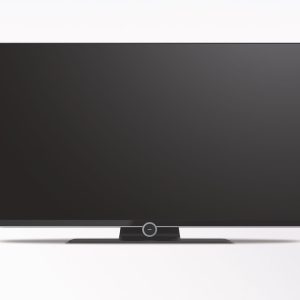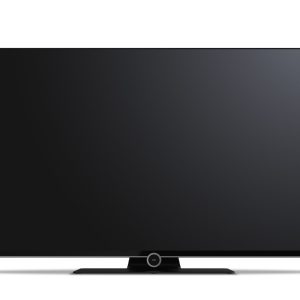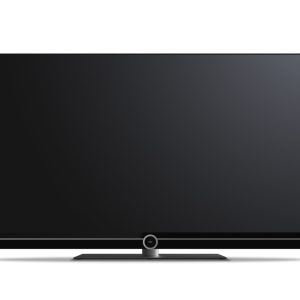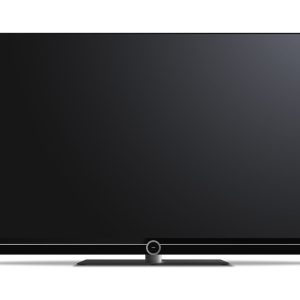
Loewe bild 3.43 TV
1 500,00 €
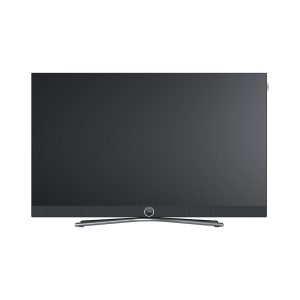
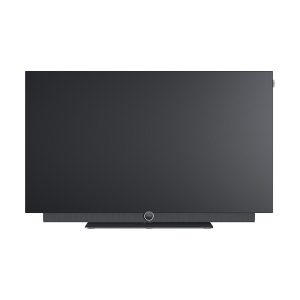
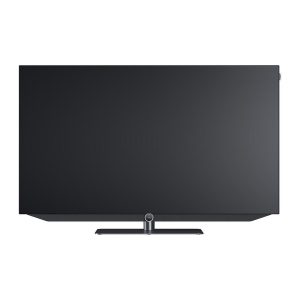
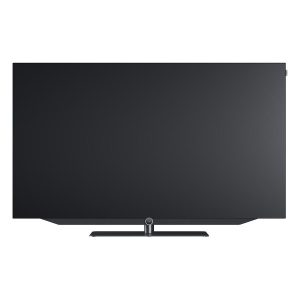
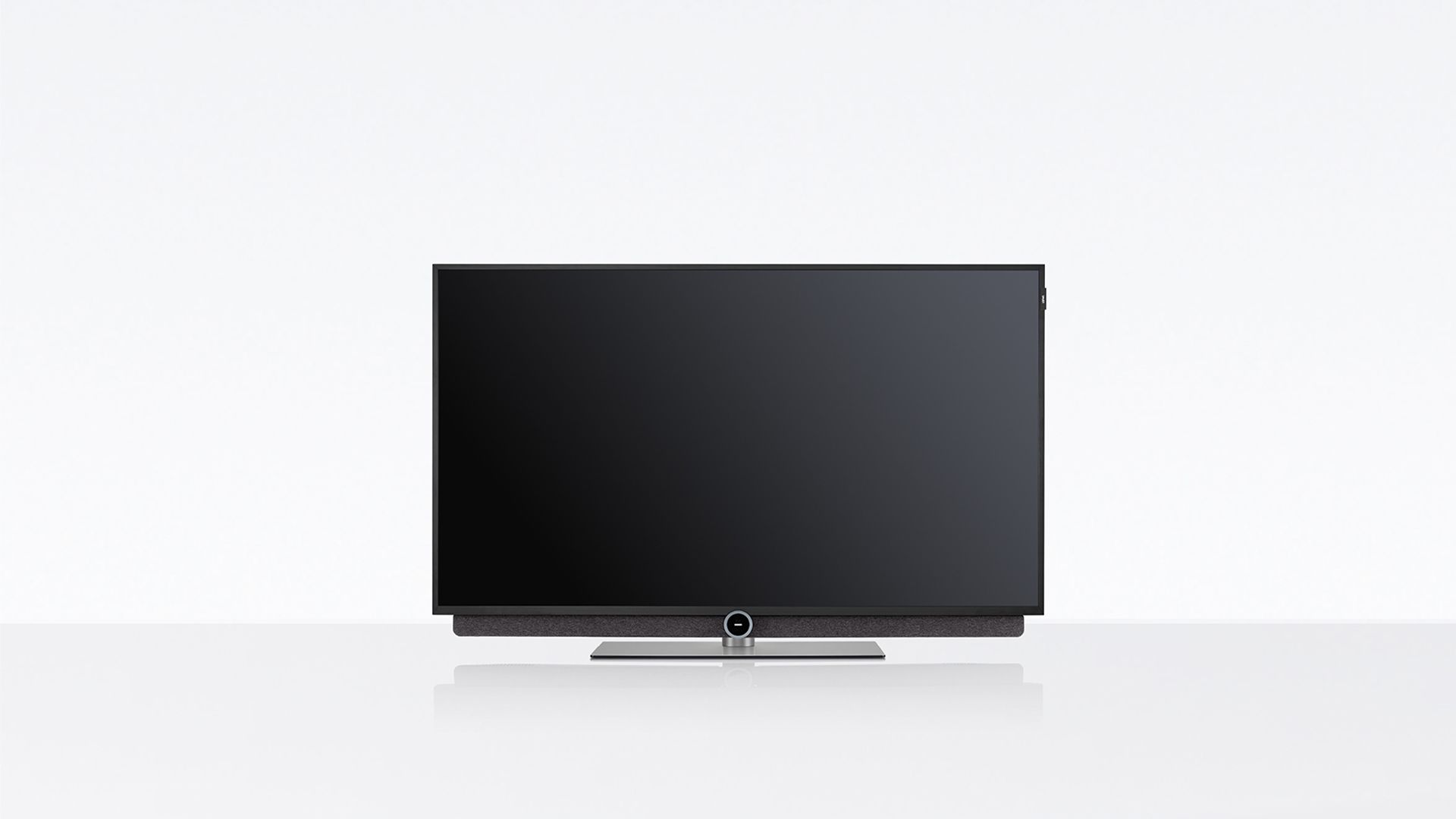
The Loewe bild 3.43 is a 43-inch Ultra HD TV for films, programmes and other video content. Its 3840 × 2160-pixel resolution can display the detail available from a compatible source. The television has a slim brushed aluminium frame. It can be wall-mounted, used with a suitable stand, or placed on a cabinet.
The Loewe bild 3.43 TV is a 43-inch model designed for watching films, television programmes and other video content. Its 108 cm screen diagonal is combined with a resolution of 3840 × 2160 pixels. A slim brushed aluminium frame surrounds the screen.
Ultra HD resolution allows compatible content to be displayed at 3840 × 2160 pixels. The final level of detail also depends on the source material. A television programme or recording with a lower resolution does not automatically acquire the same quality as genuine Ultra HD content simply because it is shown on this television.
Design and space planning
The slim brushed aluminium frame gives the screen a clean, understated appearance. It is best to clean the aluminium surface with a soft, dry cloth. Abrasive cleaning products or rough materials may leave visible marks on the brushed finish.
Before buying a television with a 43-inch screen, measure the intended section of wall or furniture and check the overall dimensions of both the television and the stand or bracket you plan to use. Three placement options are specified: wall mounting, use with a stand, or positioning on a cabinet. These options describe possible ways of installing the television, but they do not indicate what is included in a particular package.
When placing the television on furniture, choose a stable surface with sufficient space for the set. Allow additional room for cables and any connected equipment. For wall mounting, select a bracket with parameters suitable for both the television and the intended location. Plan the cable route in advance and make sure the connections will remain conveniently accessible after installation.
Cables should not be pulled tight or bent sharply. It is also worth deciding where players, receivers and other source devices will be placed before connecting everything. Careful planning helps avoid having to move the television again merely to route a cable or gain access to a socket.
A window or bright light positioned directly opposite the screen may cause reflections. Choosing a location away from direct light will make the picture easier to watch at different times of day. The centre of the screen should also be placed at a comfortable viewing height for the intended seating position.
Choosing a video source
To use the screen’s full resolution, the source output, cable and television input must all be able to carry a 3840 × 2160 signal. The television’s own resolution does not guarantee that every connected device will provide an image at that resolution.
When selecting a player, television receiver or another source, first determine its maximum output resolution. The content itself is equally important. A recording must be supplied in an appropriate format if the screen is to display all the detail intended for it.
Before buying an external stereo or home cinema system, check that its audio connections and signal formats are compatible with those of the television. The supplied product information does not specify the audio connections or supported audio formats for this model. Compatibility should therefore be confirmed before purchasing additional audio equipment.
Energy consumption
The energy efficiency class is G for both SDR and HDR. The stated energy consumption over 1,000 hours is 67 kWh in SDR mode and 87 kWh in HDR mode. This difference is relevant for anyone who frequently watches HDR films or series, as the declared consumption is higher in that mode.
The power rating while the television is switched on is stated as 66.6 W. Day-to-day energy use will depend on viewing time and the content being displayed. As a practical example, 1,000 hours is equivalent to approximately 250 days when the television is used for four hours each day.
The stated power rating in standby mode is 0.34 W, while the off-mode rating is 0.00 W. Standby and fully switched off are not the same operating state. During longer periods without use, the chosen mode therefore affects the television’s residual energy consumption.
Technical specifications
| Model | Loewe bild 3.43 |
|---|---|
| Product type | 43-inch Ultra HD TV |
| Product family | Loewe bild 3 |
| Screen diagonal | 108 cm / 43 inches |
| Resolution | Ultra HD, 3840 × 2160 pixels |
| Frame | Slim, made from brushed aluminium |
| Placement options | Wall-mounted, used with a stand, or placed on a cabinet |
| SDR energy efficiency class | G |
| HDR energy efficiency class | G |
| Power when switched on | 66.6 W |
| SDR energy consumption per 1,000 hours | 67 kWh |
| HDR energy consumption per 1,000 hours | 87 kWh |
| Standby-mode power | 0.34 W |
| Off-mode power | 0.00 W |
FAQ
What does a 108 cm screen diagonal mean?
The 108 cm measurement refers to the diagonal of the screen, not the television’s overall width or height. The supplied information does not state the overall dimensions of the television or its stand, so these measurements should be checked before purchase.
Can the television be mounted on a wall?
Yes. Wall mounting is one of the specified installation options. A bracket must be selected separately according to the mounting parameters required for the particular television.
Are a stand and wall bracket included?
The stated installation options describe possible positions rather than the contents of the package. Choose a stand or bracket only after checking the list of items included with the specific package.
What is required to use the screen’s full resolution?
The video source, its output and the cable being used must support the appropriate signal. Content supplied at the correct resolution is also required.
Can the television be connected to a stereo or home cinema system?
The supplied information does not specify the audio connections or supported formats. Before purchasing, check that the connections and signal formats of the television and audio system are compatible.
What is the difference between the stated SDR and HDR consumption figures?
The SDR figure is 67 kWh and the HDR figure is 87 kWh per 1,000 hours, giving a stated difference of 20 kWh per 1,000 hours. Actual consumption will depend on viewing time and the content displayed.
Does energy efficiency class G describe picture quality?
No. The energy efficiency class is an energy-performance rating, not an assessment of picture detail. Screen resolution is specified separately.