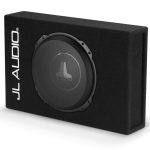
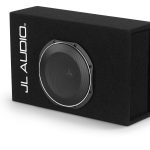
JL Audio CS112TG-TW3 Car Subwoofer Enclosure
550,00 €
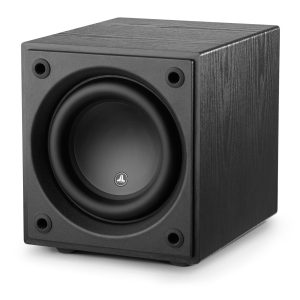
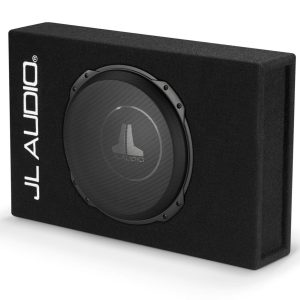
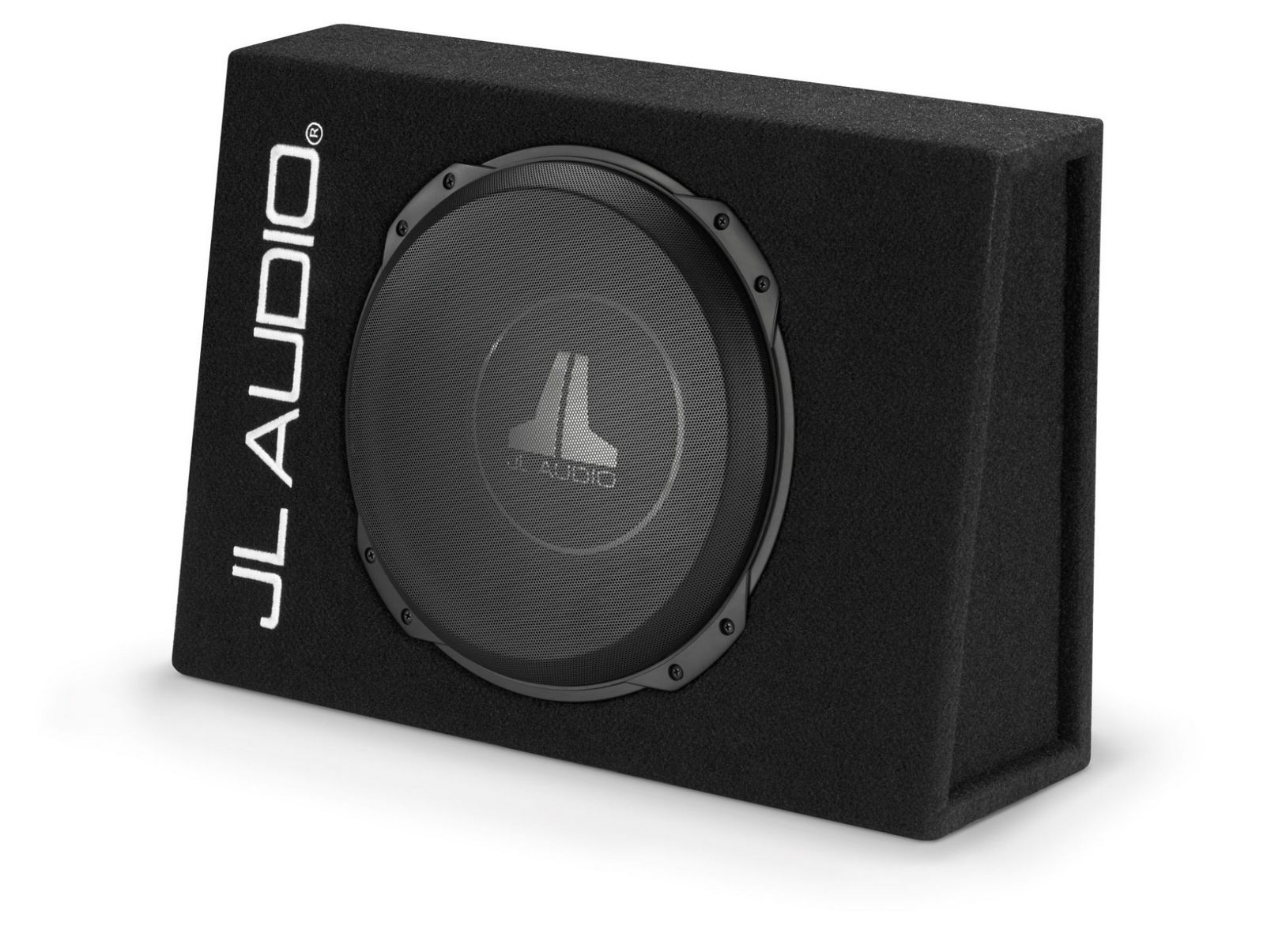
JL Audio CS112TG-TW3 is a sealed subwoofer enclosure for a car audio system. Its 2 Ω nominal impedance and 400 W RMS continuous power rating help you choose a suitable amplifier. The enclosure has a black carpet finish, and a black steel mesh grille is included. Check both its overall and top panel depths when planning a position behind a seat.
JL Audio CS112TG-TW3 is a sealed subwoofer enclosure for a car audio system. It is intended for drivers who want a subwoofer already mounted in its enclosure. The system has a 2 Ω nominal impedance and a 400 W RMS continuous power rating. These are the main figures to check when choosing an amplifier, alongside the amplifier’s permitted load in the connection mode you plan to use.
Enclosure and finish
Because this is a sealed enclosure, it has no bass reflex port that needs clearance. You should still leave the front grille unobstructed. Luggage or vehicle trim pressed against it can interfere with listening and put objects in direct contact with the speaker area. When choosing a position, consider what may be placed beside the enclosure during normal use of the car, as well as how the space looks when the car is empty.
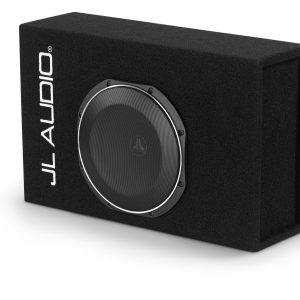
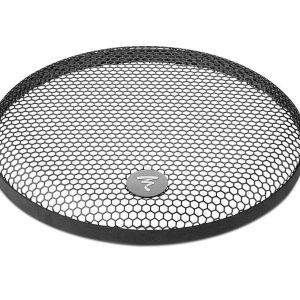
The enclosure is covered in black carpet and comes with a black steel mesh grille. The grille provides a physical barrier between the subwoofer and nearby items. It does not replace careful loading of the vehicle: do not lean heavy cargo against it. Leave room in front of the grille so it remains clear after the enclosure has been secured.
Choosing and setting up an amplifier
The 2 Ω nominal system impedance means the amplifier must be suitable for a 2 Ω load in the connection mode you select. If you intend to bridge amplifier channels, check the minimum permitted load for bridged operation specifically. An amplifier’s power figure alone cannot tell you whether that arrangement is suitable.
The 400 W RMS figure is the enclosure’s continuous power rating. It is neither a short term maximum nor a statement of how much power an amplifier will deliver. When comparing amplifiers, use their continuous output ratings at a 2 Ω load. A peak power figure does not serve the same purpose. Reading the load and continuous power figures together gives you a more useful basis for selecting an amplifier than comparing headline wattage alone.
Set the low pass filter and gain on the amplifier or audio processor if those controls are available. Around 80 Hz is a starting point for the filter; then adjust it while listening. The aim is a smooth transition between the bass from this enclosure and the sound from the other speakers in the car. Start with the gain low and increase it gradually, avoiding audible distortion. These settings are part of the final adjustment in the vehicle, so use what you hear from the complete system to guide changes.
Finding a place in the car
The enclosure’s overall depth and top panel depth are different. If you are considering a space behind a seat or against another sloping surface, check the available room at both the lower and upper parts of the enclosure. One depth measurement cannot show how its shape will sit next to an angled seatback.
Allow for its 371 mm height and for space on the grille side. The seat must be able to move without pressing against the enclosure. Its 13.2 kg net weight also matters when choosing where to secure it. The enclosure should be fastened in the vehicle so that it does not move while driving. Check the position with the seat in use, rather than judging the fit from an empty space alone.
Checking the enclosure dimensions
For a position behind a seat, you can mark the enclosure’s 371 mm height, 178 mm overall depth and 114 mm top panel depth on a piece of cardboard. Hold this dimension sketch in the proposed location to see how the stated shape relates to the space beside the sloping seatback. It is a planning aid, not a substitute for measuring the vehicle itself. Before securing the enclosure, measure the available space, check that the seat moves freely, and make sure the grille will remain unobstructed.
Technical specifications
| Type | Sealed car subwoofer enclosure |
|---|---|
| Continuous power rating | 400 W RMS |
| Nominal system impedance | 2 Ω |
| Finish | Black carpet |
| Grille | Black steel mesh grille, included |
| External height | 14.625 in / 371 mm |
| External depth | 7 in / 178 mm |
| External top panel depth | 4.5 in / 114 mm |
| Net weight | 29 lb / 13.2 kg |
FAQ
Can I connect the enclosure directly to my car stereo?
Do not connect it to the stereo’s line output. The subwoofer needs a power amplifier with a channel that can operate with a 2 Ω load in the chosen configuration.
What should I check when choosing an amplifier?
Compare the amplifier’s continuous output at 2 Ω with the enclosure’s 400 W RMS continuous power rating. If you plan to use bridged mode, check the minimum load specified for that mode.
Can I place it behind a seat?
The space behind the seat must accommodate the enclosure’s shape and allow the seat to move freely. Measure the clearance near both the bottom and top of the enclosure, since the depth differs at those points.
Do I need to buy the grille separately?
No. The black steel mesh grille is included. It helps separate the subwoofer from nearby objects, but cargo should not be rested against it.
How should I start adjusting the bass?
If your amplifier has a low pass filter, start at about 80 Hz. Then adjust the setting while listening to how the bass blends with the other speakers.
Is this enclosure suitable for a home theater receiver?
It is intended for use in a car. A home theater receiver’s subwoofer line output will not power it directly; a separate power amplifier suitable for a 2 Ω load would be needed.