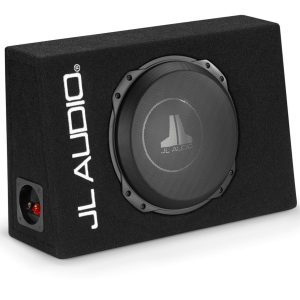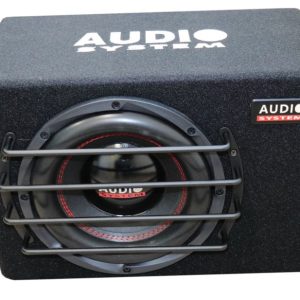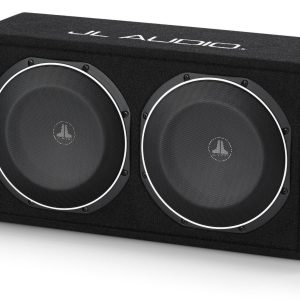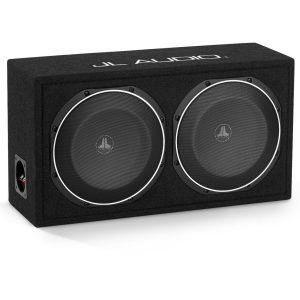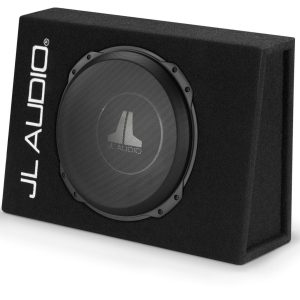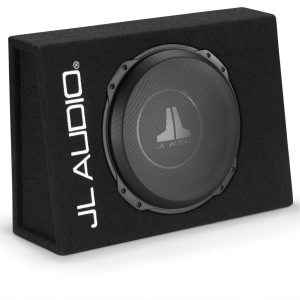

Focal SB P 30 Subwoofer Enclosure
269,00 €
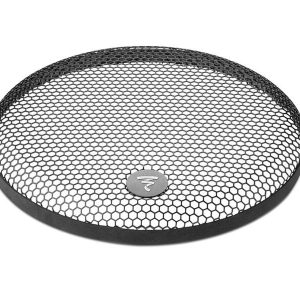
Focal SB P 30 is a passive bass-reflex subwoofer enclosure for car audio systems. Its MDF cabinet contains one 12-inch (30 cm) driver. Laminar bass-reflex ports reduce airflow noise, while internal acoustic foam absorbs rear sound waves. A protective grille shields the driver from direct contact.
Focal SB P 30 is a passive 12-inch bass-reflex subwoofer enclosure for car audio systems. Its MDF cabinet houses a single 30 cm subwoofer driver. This ready-made solution is designed for anyone looking to add richer, more dynamic bass to an existing system.
The enclosure belongs to the Focal Performance range. The manufacturer associates its design with dynamic sound reproduction, high power handling and a favourable balance between performance and enclosure size.
Enclosure design and purpose
The bass-reflex enclosure uses energy from the rear of the driver to reinforce low-frequency reproduction. Its laminar ports create smoother airflow, helping to reduce audible port noise when bass is played at higher volume levels.
Internal acoustic foam absorbs sound waves produced behind the driver and reduces unwanted reflections inside the cabinet. The MDF panels provide a rigid foundation for both the driver and the bass-reflex ports.
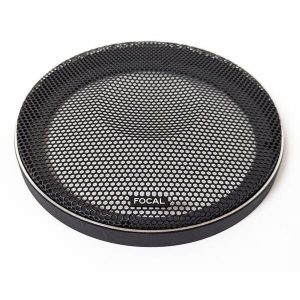
A fitted protective grille shields the driver from direct contact. This is particularly useful in a boot where luggage or other items may be carried beside the enclosure.
Connecting it to a car audio system
This is a passive subwoofer enclosure, so it requires an external car amplifier. Connect it to the amplifier’s speaker output rather than directly to the head unit’s line-level RCA output.
An RCA connection carries a low-level signal to the amplifier. The amplifier increases that signal and sends the amplified output to the subwoofer enclosure. This signal path also allows the bass level and filtering to be adjusted separately.
Setup and control
Set the low-pass filter on the amplifier or car head unit, provided that the head unit offers this adjustment. A crossover point of approximately 80 Hz can be used as a starting point. Fine-tune it by listening to the transition between the subwoofer and the speakers installed in the vehicle’s doors.
Begin with the amplifier gain set low. Increase it gradually until the bass supports the music without overpowering the rest of the frequency range. If the amplifier includes phase control, compare the available settings from the driver’s seat. Keep the setting that produces the most cohesive and solid bass response.
Position in the vehicle
The enclosure is normally installed in the boot. Do not press the bass-reflex ports against a seat, trim panel or item of luggage. Leave clear space around each opening so that air can move without obstruction.
Before securing the enclosure in its final position, test several orientations. Pointing it towards the rear of the boot or towards the seats may change the perceived bass level at the driver’s position. Compare each arrangement using the same music at the same volume.
Technical specifications
| Type | Passive car subwoofer enclosure |
| Acoustic design | Bass-reflex |
| Number of drivers | 1 |
| Driver diameter | 12 inches (30 cm) |
| Enclosure material | MDF |
| Bass-reflex ports | Laminar ports designed to reduce port noise |
| Internal damping | Acoustic foam for absorbing rear sound waves |
| Driver protection | Protective grille |
| Intended use | Car audio system |
| Series | Focal Performance |
FAQ
Can the enclosure be connected directly to a car head unit?
Not to its line-level RCA output. A passive subwoofer enclosure requires an external amplifier that supplies an amplified signal through its speaker output.
When should I raise or lower the low-pass filter setting?
Raise the crossover point slightly if the transition to the door speakers leaves an audible gap in the bass. Lower it if the frequency ranges overlap too much.
How should I set the correct bass level?
Increase the amplifier gain gradually from a low setting. The bass should complement the main speakers without masking vocals or other instruments.
Where is the best place to position the enclosure?
Try several orientations in the boot and judge the result from the driver’s seat. Always ensure that the laminar bass-reflex ports remain unobstructed.
What is the protective grille for?
It protects the 30 cm driver from direct contact. Luggage should still not rest against the grille or block the bass-reflex ports.