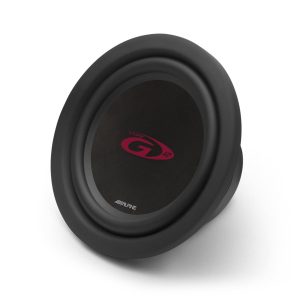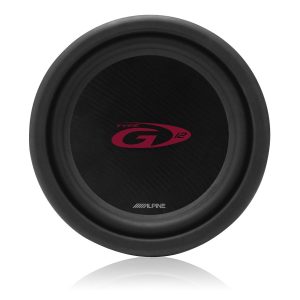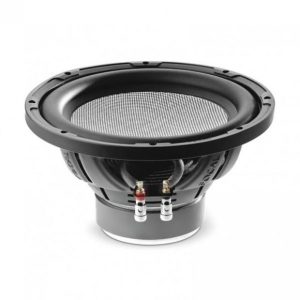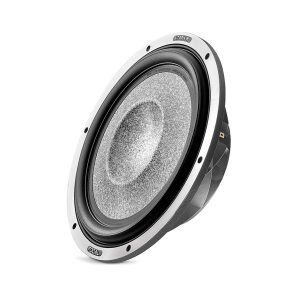
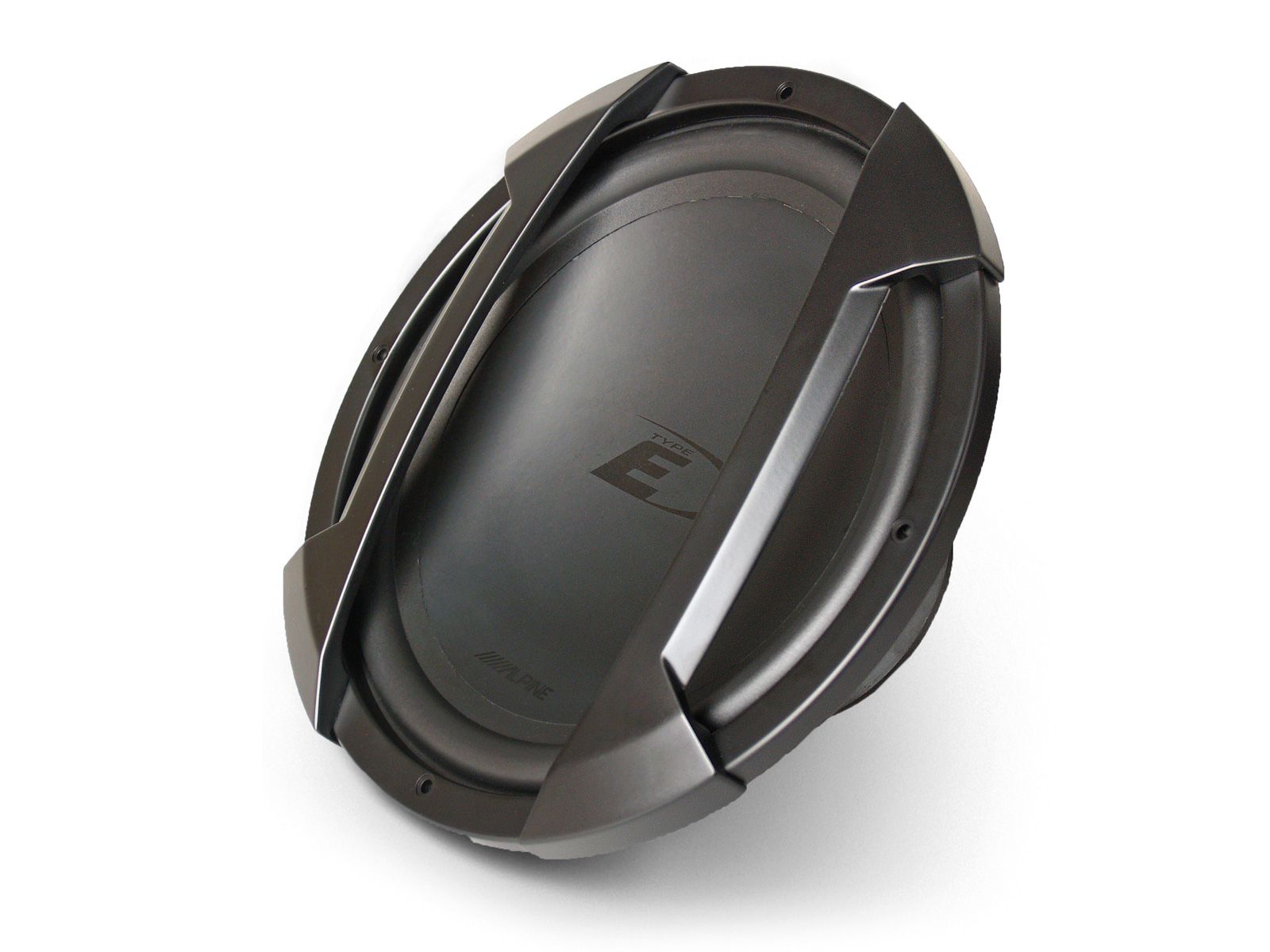
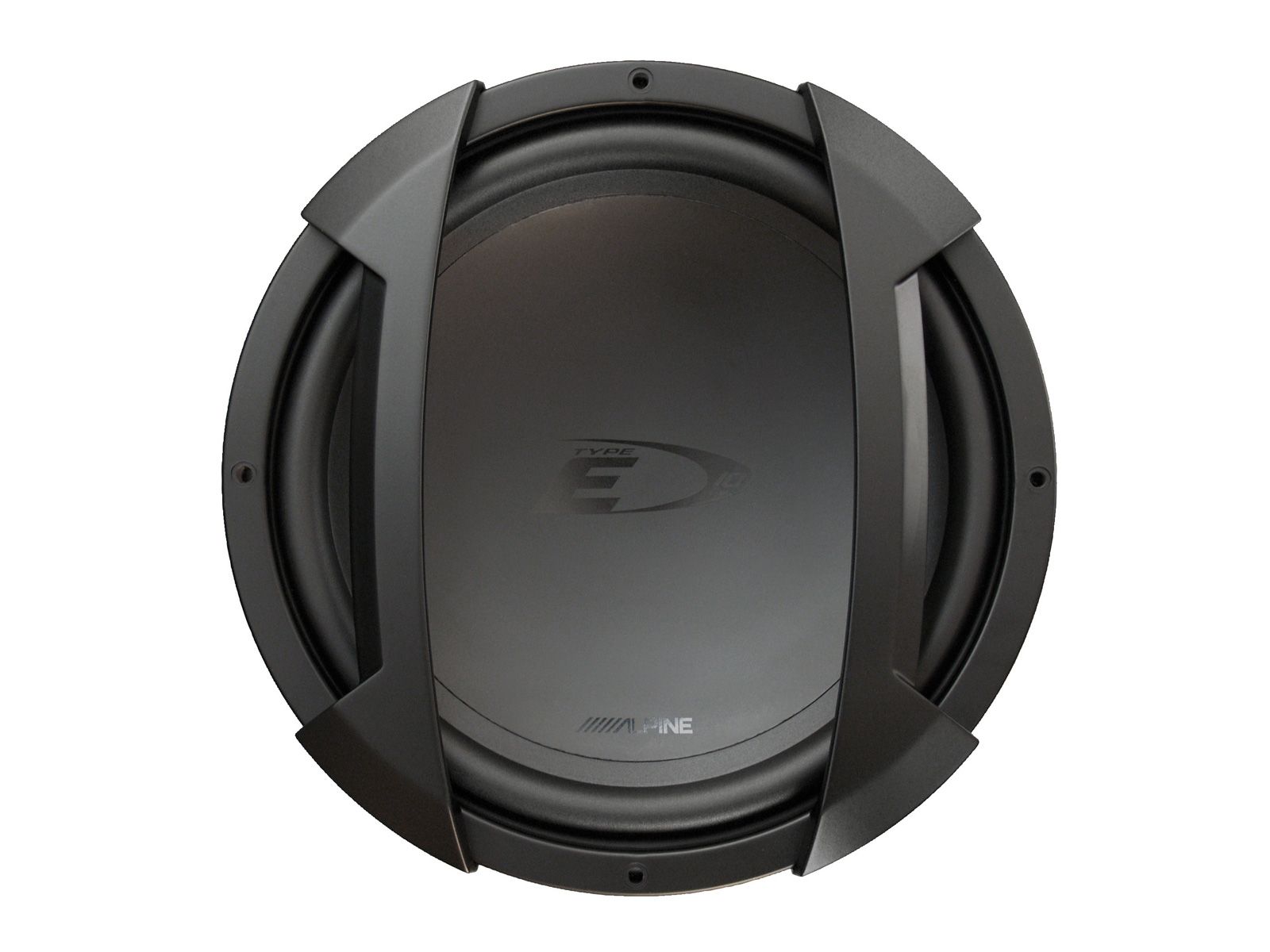
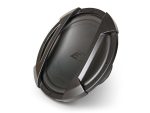
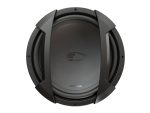
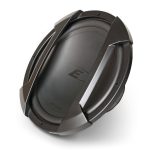
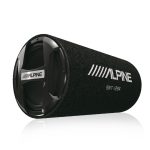
Alpine SWE-1044E Subwoofer
65,00 €
Alpine SWE-1044E is a passive subwoofer for an in-car audio system. Its 150 W RMS power rating helps with external amplifier selection, while the 33-800 Hz range allows the bass output to be adjusted using an external filter. Installation requires a 232 mm cut-out and 116 mm of mounting depth. The amplifier, enclosure and filtering equipment must be selected separately.
Alpine SWE-1044E subwoofer is a passive speaker for an in-car audio system. It is designed to reproduce low frequencies and must be installed in a separately selected mounting location or enclosure. The stated 150 W RMS power rating helps with amplifier selection, while the 33-800 Hz frequency range provides flexibility when adjusting the crossover filter.
This is not an active subwoofer with a built-in amplifier. The system requires a separate power amplifier and a properly prepared mounting location. This distinction is important when planning the complete installation, including its power supply and signal control.
Who is this subwoofer for?
This model is suitable for building a new car bass system or upgrading an existing one. Choose it only after checking that the intended installation area can accommodate the specified cut-out diameter and mounting depth. Before purchase, you must also match the speaker impedance to the load supported by the chosen amplifier. However, the impedance is not included in the available specifications.
A passive subwoofer must be secured in a suitable mounting position or a properly designed enclosure. Before deciding on the final installation, consider the available space, mounting options and cable routing.
Planning the installation location
The mounting opening requires a 232 mm diameter, and at least 116 mm of depth must be available behind the mounting surface. Allow additional room for the speaker cable and its routing. There must be no obstruction in front of the speaker that could interfere with cone movement.
Check the actual mounting position before cutting the vehicle trim or enclosure panel. The cut-out diameter alone is not enough to prepare a final installation template. The mounting-hole pattern and the external dimensions of the frame are not specified here.
Do not leave the speaker unsecured in the luggage compartment. It must be firmly installed so that it cannot move while the vehicle is in motion. Its position should also avoid interfering with luggage, seat mechanisms or vehicle trim panels.
Choosing the amplifier and power rating
Select the amplifier primarily according to the RMS power rating, not the short-term maximum power figure. RMS provides a more useful indication of continuous operating requirements. The 500 W figure should not be treated as the target for continuous amplifier output.
You must know the speaker’s impedance before making a final amplifier choice. That value is not provided in the available information, so a specific wiring configuration cannot be recommended. An unsuitable load could exceed the amplifier’s permitted operating limits.
The terminal type is also unspecified. During installation, inspect the actual speaker terminals and select a suitable cable connection. The connections must be secured so that vehicle vibration cannot loosen them.
Adjusting the crossover and gain
The bass signal should be prepared by the low-pass filter in the amplifier, head unit or audio processor. The stated frequency range is not a recommendation to make the speaker reproduce that entire band. The purpose of the filter is to create a smooth transition between the subwoofer and the vehicle’s other speakers.
An approximately 80 Hz crossover point can be used as an initial setting. You can then adjust it while listening to music from the driver’s seat. Make small changes and compare the sound after each adjustment.
The gain setting is not a volume control. Begin with a low setting and leave the head unit’s tone controls neutral. Increase the level only until the system sounds balanced. Stop if you hear distortion or mechanical noise.
If the external amplifier or processor includes phase control, compare its available settings from the driver’s seat. Select the position that integrates the bass more effectively with the front speakers. The speaker itself has no integrated phase adjustment because it is a passive component.
Enclosure and placement in the vehicle
The enclosure type and internal volume have a major effect on the final result. They cannot be selected from the mounting diameter or power rating alone. Additional speaker parameters are required, so a specific sealed or bass-reflex enclosure volume cannot be stated from the available information.
A completed enclosure must be firmly secured inside the vehicle. Its position in the luggage compartment affects the perceived bass balance. Before fastening it permanently, it is worth comparing several safe orientations. Judge the result from your normal driving position rather than while standing next to the open luggage compartment.
This model is not a complete subwoofer system for a home stereo or home cinema setup. Such an installation would require a separate enclosure, an appropriate amplifier and suitable filtering. In a car audio system, these functions are normally handled by a dedicated automotive amplifier or audio processor.
Technical specifications
| Model | Alpine SWE-1044E |
|---|---|
| Type | Passive car subwoofer |
| Maximum power | 500 W |
| RMS power | 150 W |
| Frequency range | 33-800 Hz |
| Sensitivity | 87.1 dB/W, measured at 1 m |
| Mounting cut-out diameter | 232 mm |
| Mounting depth | 116 mm |
FAQ
Does this subwoofer require a separate amplifier?
Yes. This is a passive speaker without an integrated power amplifier. The external amplifier must provide suitable power and support the load presented by the connected speaker.
Can it be connected directly to a car head unit?
This type of connection is not recommended. A typical head unit does not usually provide enough output power for a subwoofer. A separate amplifier channel with a low-pass filter is required.
How should I choose a suitable amplifier?
Consider the continuous RMS power rating and the load supported by the amplifier. You must also determine the impedance of the specific speaker before connecting it. The maximum power figure alone is not sufficient for choosing an amplifier.
What type of enclosure should be used?
The available information is not sufficient to select a specific enclosure type or volume. The choice should be based on the manufacturer’s electromechanical parameters or discussed with a professional enclosure designer.
How should the crossover be adjusted?
Lower the crossover point if the bass can be easily located in the luggage compartment. Raise it carefully if there is an audible frequency gap between the subwoofer and the front speakers. Always evaluate adjustments from the driver’s seat.
Can two of these subwoofers be used with one amplifier?
Connecting two speakers changes the load presented to the amplifier. Without the exact impedance, it is not possible to choose a safe series or parallel wiring configuration. The amplifier must also be capable of handling the combined power requirement.
Is it suitable for a home stereo or home cinema system?
This model is intended for a car audio system and is not a complete home subwoofer. A custom project would require a calculated enclosure, a compatible amplifier and an appropriate crossover filter.