
JL Audio C1-075ct Tweeters
70,00 €
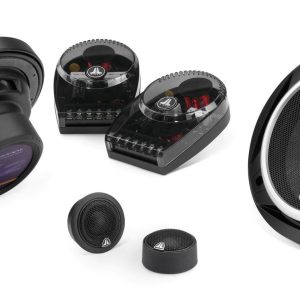
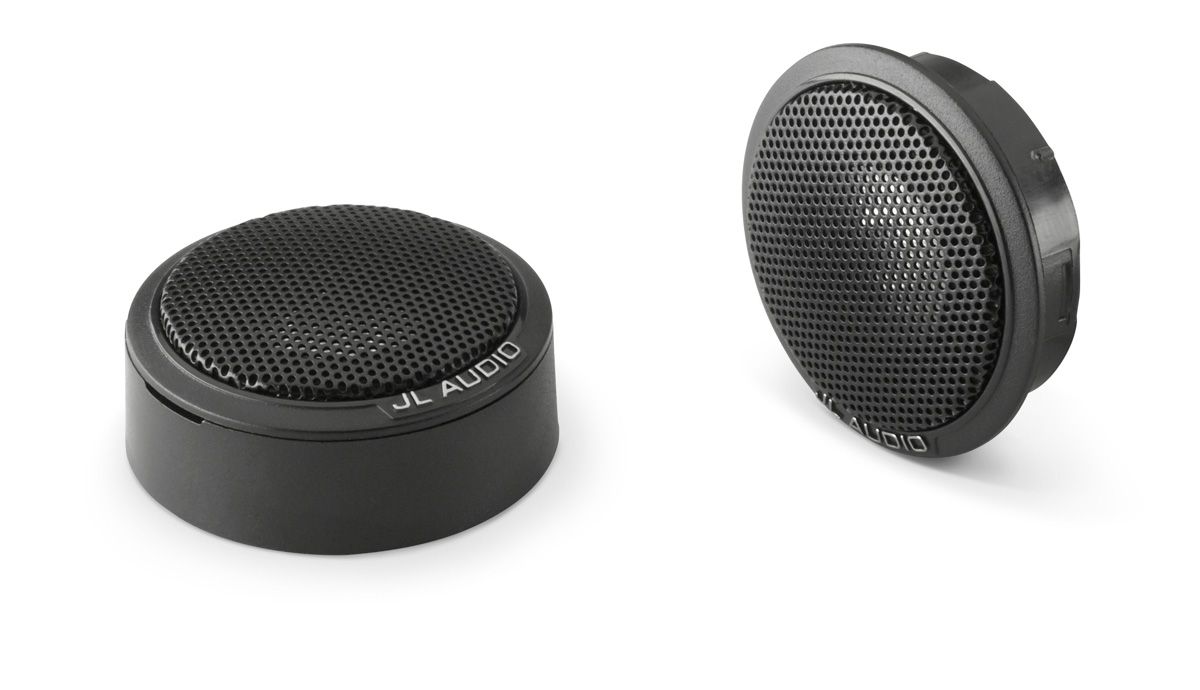
JL Audio C1-075ct is a tweeter set for a component car audio system. It reproduces the 4-24 kHz range with a ±3 dB tolerance. Its 50 W RMS continuous power handling is matched to a recommended amplifier output of 20-50 W RMS per channel. Flush-mount and surface-mount options let you choose the installation method best suited to the vehicle’s interior trim.
JL Audio C1-075ct tweeters are designed for the high-frequency section of an in-car audio system. They reproduce frequencies from 4 kHz to 24 kHz with a ±3 dB tolerance. The included mounting options support either flush or surface installation, allowing the tweeter position to be adapted to the vehicle’s interior trim and the available space.
This set is intended specifically for high-frequency reproduction. It is a suitable choice when an audio system is being assembled from separate speakers for different frequency bands. The electrical parameters and installation dimensions of the model should be checked carefully before any interior trim panels are cut or drilled.
Role in the audio system
A tweeter reproduces the upper frequency range of a car audio system. The specified frequency response of this model begins at 4 kHz, so the C1-075ct is not designed to reproduce the full musical frequency spectrum on its own.
The set can be used in a component system together with speakers that cover the other frequency bands. These bands must be separated correctly by a crossover. Proper filtering prevents lower frequencies from reaching a tweeter that is not intended to reproduce them.
Choosing an amplifier
The continuous power handling is rated at 50 W RMS. This figure describes long-term power handling rather than a brief peak-power capacity. The recommended amplifier output is 20-50 W RMS per channel.
The nominal impedance is 6 Ω. Check the impedance range supported by the amplifier as well as the total load connected to the channel, especially when using multiple speakers. The tweeter’s impedance should not be considered separately from that of other speakers connected to the same channel. Wiring several speakers in parallel changes the channel’s total load.
The 91 dB sensitivity rating is measured with 1 W of input power at a distance of 1 metre. This standardised measurement provides a useful basis for comparing speakers. By itself, however, it does not determine the final volume inside a vehicle, as installation position and system adjustment also affect the result.
Two installation methods
Flush mounting allows most of the tweeter housing to be concealed within the trim. Installation requires a 37 mm diameter cut-out and at least 10 mm of mounting depth. The mounting section has a diameter of 42 mm, while the front of the installed tweeter projects by 6 mm.
Before drilling, check more than the diameter of the opening. There must also be enough clear space behind the trim for the complete mounting depth. Take care to avoid factory wiring, mounting hardware and any moving interior components.
For surface mounting, the mounting section has a diameter of 43 mm. The tweeter projects 19 mm from the installation surface, so the movement of doors and other trim components must be considered when selecting its position.
A surface-mounted tweeter extends farther into the cabin, while flush mounting requires both a cut-out and sufficient clearance behind the panel. Because the two options have different space requirements, it is best to choose the installation method before dismantling the vehicle interior.
Position and aiming
High frequencies are more directional than low frequencies. The left and right tweeters should therefore be installed at approximately the same height wherever possible. Begin by aiming them towards the listening area, then assess the final position while seated in the driver’s seat.
If one side sounds excessively prominent, the cause may be an unequal listening distance or a difference in aiming. Compare several positions before securing the tweeters permanently. Change only one parameter at a time so that you can identify which adjustment produced the result.
Installing the crossover
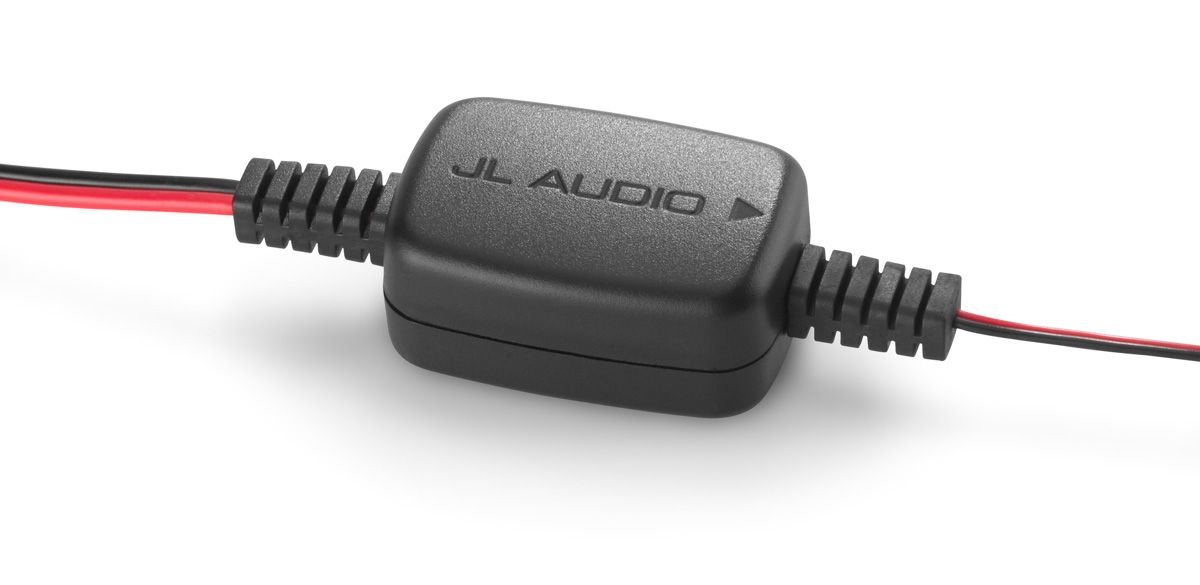
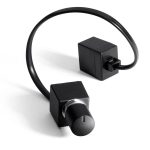
The crossover housing is 50 mm wide, 34 mm deep and 23 mm high. These dimensions must be included when planning the installation. Choose a location where the housing will not be compressed by trim panels or obstructed by moving parts.
The crossover should remain accessible until the vehicle interior has been fully tested and is ready for final reassembly. This makes it easier to inspect the connections during installation. Its housing must also be secured firmly so that it cannot move or rattle between trim components while the vehicle is in motion.
Technical specifications
| Model | JL Audio C1-075ct |
|---|---|
| Type | Tweeter set |
| Continuous power handling | 50 W RMS |
| Recommended amplifier power | 20-50 W RMS per channel |
| Sensitivity | 91.0 dB at 1 W / 1 m |
| Nominal impedance | 6 Ω |
| Frequency response | 4 kHz-24 kHz, ±3 dB |
| Flush-mount fixture diameter A1 | 42 mm / 1.67 in |
| Surface-mount fixture diameter A2 | 43 mm / 1.71 in |
| Flush-mount cut-out diameter B | 37 mm / 1.46 in |
| Flush-mount depth C | 10 mm / 0.40 in |
| Flush-mount projection D1 | 6 mm / 0.23 in |
| Surface-mount projection D2 | 19 mm / 0.76 in |
| Crossover width | 50 mm / 1.96 in |
| Crossover depth | 34 mm / 1.34 in |
| Crossover height | 23 mm / 0.90 in |
FAQ
What is this set designed for?
It is designed to reproduce the high-frequency band in a component car audio system. Speakers covering the other frequency bands are also required to reproduce the full audio spectrum.
What amplifier power should I choose?
An amplifier output of 20-50 W RMS per channel is recommended. Use the RMS rating for comparison, as a short-term peak-power figure is not directly comparable.
Can these tweeters be connected to any car amplifier?
Check the amplifier’s supported impedance range and the total channel load, particularly when several speakers are connected to the same channel.
Which installation method should I choose?
Surface mounting results in a 19 mm projection, while flush mounting requires a 37 mm opening and 10 mm of installation depth. Choose according to the available space and the construction of the interior trim.
Can these tweeters operate without a crossover?
Lower frequencies must be properly restricted before the signal reaches the tweeter. In a component system, the crossover separates the frequency band intended for high-frequency reproduction.
How should I aim the tweeters?
Start by aiming both tweeters towards the listening area. Compare several angles from the driver’s seat, then select the position that produces the most even sound.
Do I need to plan space for the crossover before installation?
Yes. The crossover housing is 50 mm wide, 34 mm deep and 23 mm high, so its location should be planned before the interior trim is finally reassembled.