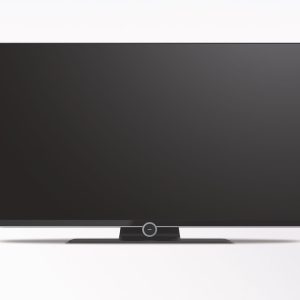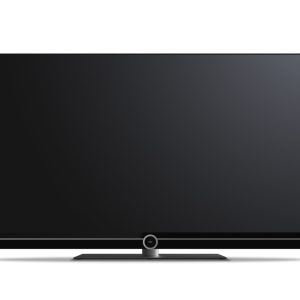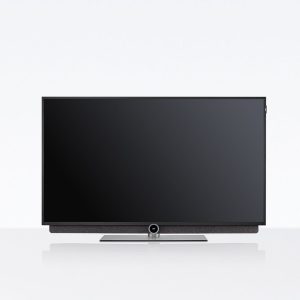
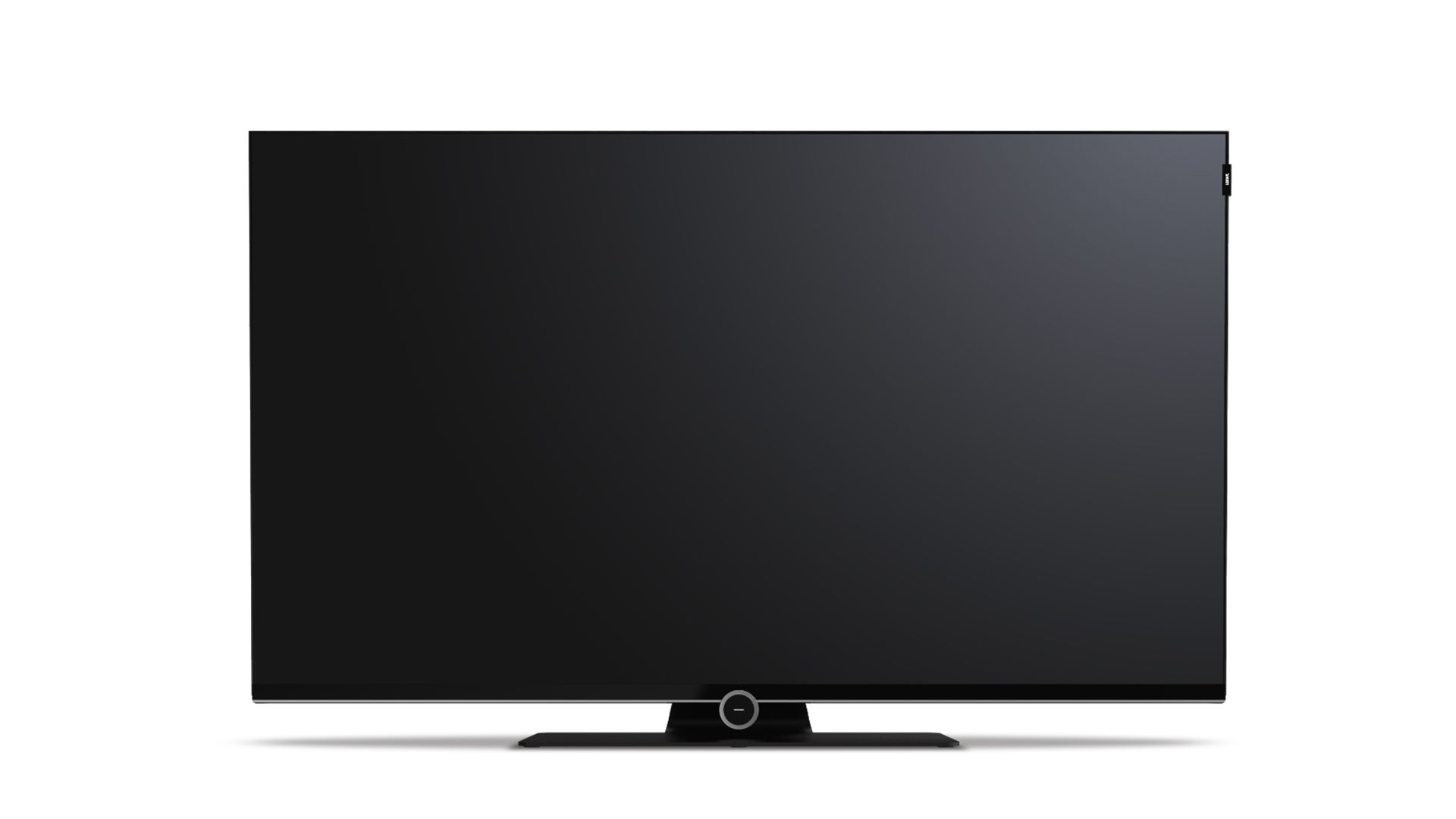
Loewe bild 1.49 TV
1 100,00 €
The Loewe bild 1.49 is a 49-inch Ultra HD television for films, television programmes and 4K video content. Its selected LCD panel features LED backlighting and a resolution of 3840 × 2160 pixels. HDR video signals are processed using software developed by Loewe specialists. The 126 cm diagonal helps make this model suitable for a medium-sized viewing area.
The Loewe bild 1.49 TV is a 49-inch Ultra HD model designed for television programmes, films and other video content. Its 126 cm diagonal screen has a 3840 × 2160-pixel resolution. The television uses a selected liquid-crystal display (LCD) with LED backlighting.
This model is suitable for buyers looking for a 49-inch television. The stated screen size provides a useful starting point when planning where the TV will be placed in the room.
Display and picture processing
The selected LCD panel with LED backlighting forms the basis of this television’s picture system. The backlight is required to make the image formed by the LCD pixels visible. This is not a self-emissive display technology, so the pixels do not produce their own light.
The television features high dynamic range (HDR) picture processing, supported by software developed by Loewe specialists. These components process an HDR video signal before the resulting picture is shown on the screen.
Choosing the right size and position
The 126 cm screen diagonal is an important consideration when selecting a location for the television. Before purchasing, measure the intended space and allow sufficient room around the screen. The exact width of the cabinet cannot be determined from the diagonal measurement, so the screen size should not be treated as the overall width of the TV.
Choose the viewing position according to the type of content you normally watch. Sitting closer can make the finer detail in higher-resolution material easier to see. However, if the viewing position is too close, it may become more difficult to take in the whole screen comfortably at a glance.
Avoid placing the screen directly opposite a strong light source. Direct reflections may make darker areas of the picture harder to see. It is best to assess the room lighting from the usual seating position, as this gives a more realistic indication of how light and reflections may affect everyday viewing.
Selecting a video source
To make full use of the screen’s pixel grid, choose content with a 3840 × 2160 resolution. The resolution of the source determines how much original picture information reaches the television. A high-resolution screen alone cannot recreate detail that is not present in the source material.
When using an external player, set its video mode to suit the television’s resolution. HDR viewing also depends on the source providing an appropriate HDR signal. The chosen connection method must be available on both the television and the player. As the supplied product information does not identify specific connection types, compatibility with a particular source should be checked separately.
Use in stereo and home cinema systems
In a stereo system, this model can serve as the video display. The method used to carry sound depends on the connections available on both the television and the amplifier. Choosing a connection shared by the two devices can help avoid unnecessary signal converters.
In a home cinema system, the television is used as the picture display. The video source can be planned together with the AV equipment, but the functions of that equipment are not included as part of the television itself. Support for multi-screen systems has not been specified for this model.
Understanding energy consumption
Energy figures are provided separately for SDR and HDR modes. Consumption over 1,000 hours is stated as 86 kWh in SDR mode and 112 kWh in HDR mode. When comparing this television with another model, use figures measured for the same picture mode.
The stated power consumption while the television is on is 86.3 W. Standby consumption is listed as 0.27 W, while the figure for the switched-off state is 0.00 W. The energy-efficiency class is G in both SDR and HDR modes. Watt values describe power in a particular operating state, whereas kilowatt-hour values describe energy consumption over the stated period.
Technical specifications
| Model | Loewe bild 1.49 |
|---|---|
| Product type | Ultra HD LCD TV |
| Screen diagonal | 126 cm / 49 inches |
| Display type | Selected LCD panel with LED backlighting |
| Resolution | Ultra HD, 3840 × 2160 pixels |
| Picture processing | HDR picture processing and software developed by Loewe specialists |
| SDR energy-efficiency class | G |
| HDR energy-efficiency class | G |
| Power consumption when on | 86.3 W |
| Energy consumption per 1,000 hours in SDR mode | 86 kWh |
| Energy consumption per 1,000 hours in HDR mode | 112 kWh |
| Standby power consumption | 0.27 W |
| Power consumption when switched off | 0.00 W |
FAQ
Are the television’s connection types known?
The available information does not specify particular connection types. Before purchasing, check that the television and your player or AV equipment have a compatible connection in common.
Does the supplied information list the included accessories?
No. The available product details do not define what is included in the package. Any required accessories, and whether they are supplied, should therefore be checked separately.
Does the 126 cm diagonal show whether the TV will fit into an alcove?
No. The 126 cm figure describes the screen diagonal, not the width or height of the television cabinet. To determine whether it will fit, check all of the TV’s external dimensions separately.
How should SDR and HDR energy consumption be compared?
Compare figures for the same operating mode. HDR consumption is stated as 112 kWh per 1,000 hours, while the corresponding SDR figure is 86 kWh.
Can the television be incorporated into a home cinema system?
It can be used as the picture display in a home cinema system. For audio and video transmission, choose connections supported by both the television and the AV equipment.
How can it be used with a stereo system?
Within a stereo system, the television serves as the video display. Transmitting sound requires a connection method supported by both the television and the other audio device.
What is the difference between the power and energy-consumption figures?
The figures for the on and standby states are given in watts, while SDR and HDR consumption over 1,000 hours is stated in kilowatt-hours. When comparing products, use figures of the same type and for the same operating mode.