Yamaha NS-SW050 Subwoofer
Original price was: 220,00 €.180,00 €Current price is: 180,00 €.
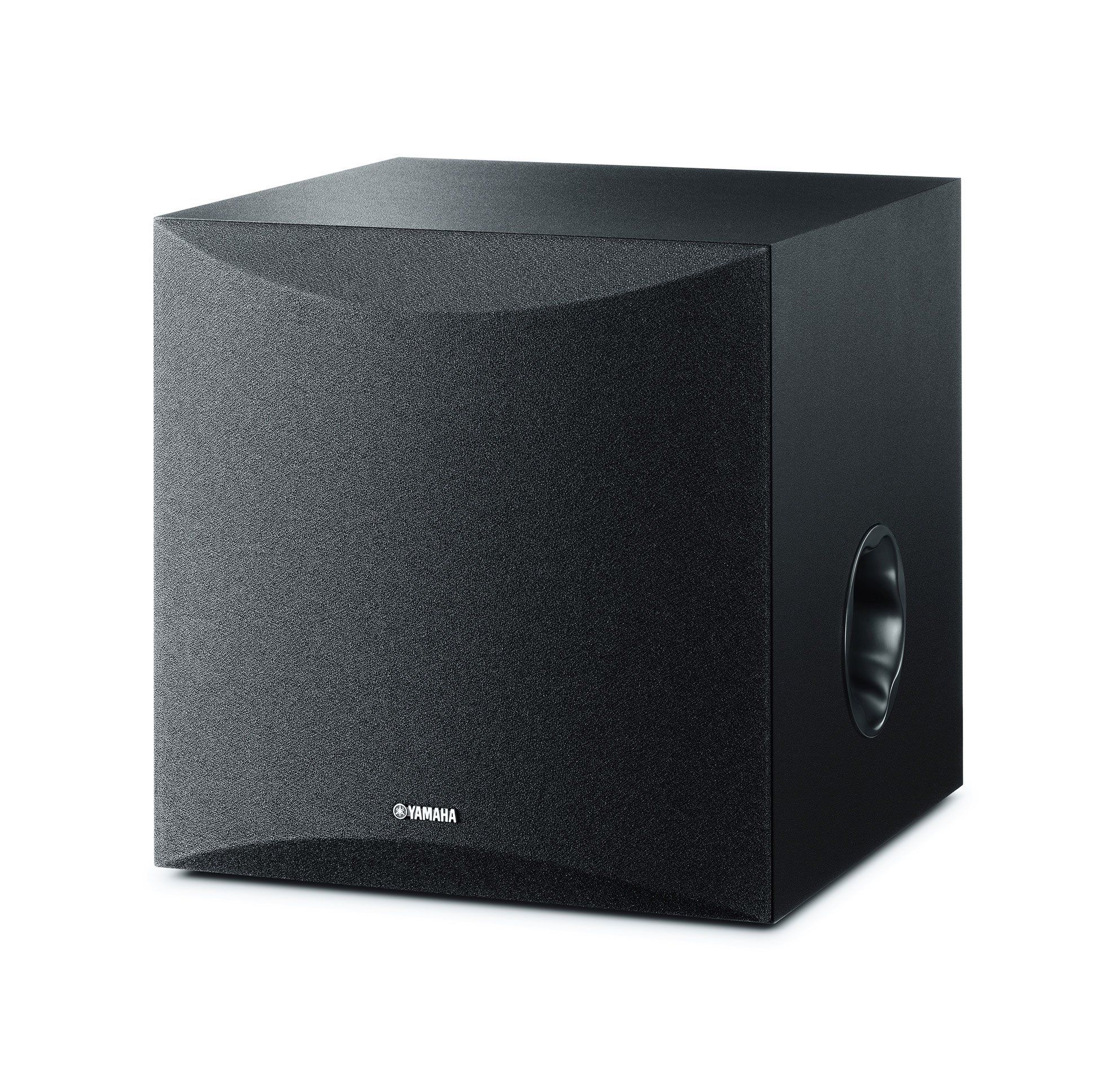
The Yamaha NS-SW050 is a subwoofer designed to add bass to an audio system. It has a 20 cm cone driver, Advanced YST technology and a twisted-profile bass reflex port. Leave the port unobstructed when choosing a position. Its 100 W dynamic power and 50 W output power ratings use different measurement conditions and should not be compared directly.
Yamaha NS-SW050 subwoofer is designed to add low frequencies to an audio system. It has a 20 cm cone driver and a stated frequency range of 28-200 Hz. When considering this model, pay attention to its two power ratings: they are specified under different measurement conditions.
Design and placement
This model uses Advanced YST technology and a twisted-profile bass reflex port. The port needs open space around it, so do not block it when placing the subwoofer. Keep this in mind if you plan to position the unit close to a wall or furniture.
Consider the space needed for the whole cabinet, rather than judging fit from its visible front alone. If you intend to place the subwoofer in a furniture recess, check that the port will remain unobstructed once the cabinet is in position. Allow room for the necessary cables after checking where the connections are on the actual unit.
The cabinet measures 291 mm wide, 292 mm high and 341 mm deep. Check all three dimensions against the available space, including the distance to a wall. Its 8.5 kg weight also matters when choosing the surface on which it will stand.
It is worth choosing the final position while listening to a familiar recording from your usual listening seat. Moving a subwoofer can change how loud the bass sounds in the room. Judge the result from where you normally listen, rather than only from beside the cabinet.
Start with a practical position near your system, then try another position in the same room if you can. Listen at the same volume each time. This makes it easier to hear where the bass blends with your main speakers. Make your choice based on both the sound and the clear space around the port.
Power and frequency range
The 100 W dynamic power rating is specified with a 5 ohm load. The 50 W output power rating is measured at 100 Hz with a 5 ohm load and 10% total harmonic distortion. These figures describe different measurement conditions, so they should not be treated as two estimates of the same power rating.
The 5 ohm figure is a condition of the power measurement, not a description of an audio connection. Check the connections on both devices before buying a cable or deciding how to connect the system.
The stated frequency range identifies the low and high frequency limits given for this subwoofer. On its own, it does not tell you what volume the unit will achieve in a particular room. Placement also affects how its bass works with the rest of your speakers.
When adjusting the system, listen beyond the deepest notes. Pay attention to how the bass meets the range reproduced by your main speakers. If particular sounds stand out too much or seem weak, compare another subwoofer position and the settings available in your system. Change one thing at a time so you can hear what made the difference.
Using it in an audio system
A subwoofer has a different role from the main speakers: it supplements their sound with low frequencies. That makes this model worth considering for either a stereo or a home cinema system. The way you connect it depends on the audio connections available on both devices.
If your system uses an AV receiver or stereo amplifier, its subwoofer output needs to match the appropriate input on the subwoofer. If the amplifier has only speaker terminals, the information given here is insufficient to establish compatibility. Compare the connection labels on both units before selecting a cable.
For stereo music, listen for bass that supports the main speakers without overwhelming them. In a home cinema system, check the balance with a familiar scene from your usual seat. If you are planning to use more than one subwoofer, first check what connection and setup options the complete system provides.
Setup
After connecting the subwoofer, begin with a moderate bass level and adjust it gradually while listening to the other speakers. If the level control is on the subwoofer, adjust it there; if the level is set through the receiver, use the receiver’s menu. Check the actual unit before assuming that this model has any particular control.
If your system lets you set the point at which bass is directed to the subwoofer, choose it with your main speakers in mind and listen to the result. If a phase setting is available, compare its positions from your usual listening seat. Change one setting at a time to identify what alters the balance you hear.
Technical specifications
| Type | Subwoofer |
|---|---|
| Driver | 20 cm (8-inch) cone |
| Dynamic power | 100 W with a 5 ohm load |
| Output power | 50 W at 100 Hz, with a 5 ohm load and 10% total harmonic distortion |
| Frequency range | 28-200 Hz |
| Technology | Advanced YST |
| Bass reflex design | Twisted-profile bass reflex port |
| Dimensions (width × height × depth) | 291 × 292 × 341 mm (11½ × 11½ × 13⅜ in.) |
| Weight | 8.5 kg (18.7 lb) |
FAQ
What is this subwoofer for?
It adds low frequencies to an audio system. It does not replace the main stereo speakers: the speakers and subwoofer perform different jobs within the system.
Can I connect it to a stereo amplifier or AV receiver?
That depends on the specific outputs on the amplifier or receiver and the input on the subwoofer. The 5 ohm load stated for the power measurements does not describe an audio connection.
Does 100 W mean twice as much power as 50 W?
No. Dynamic power and output power are specified under different conditions. The output power figure is tied to a particular frequency and distortion level, so the two numbers should not be compared directly.
Where should I place it?
Start somewhere with enough room for the cabinet and an unobstructed bass reflex port. Then listen from your usual seat to assess how the bass blends with your other speakers.
Can I use it in a home cinema system?
A subwoofer can provide low frequency sound in such a system. The specific connection depends on the AV receiver you use and the connections on this subwoofer.
Will it fit in my intended space?
The cabinet measures 291 × 292 × 341 mm (width × height × depth). Compare those dimensions with the available space and allow additional clearance so the twisted-profile bass reflex port remains unobstructed.