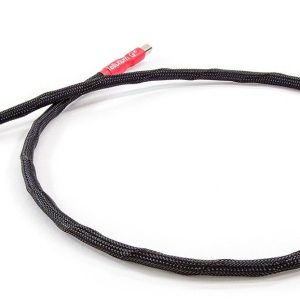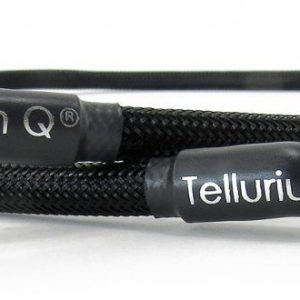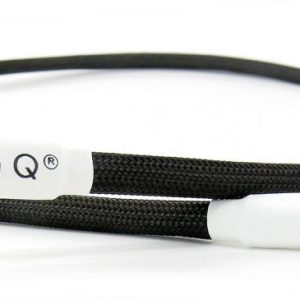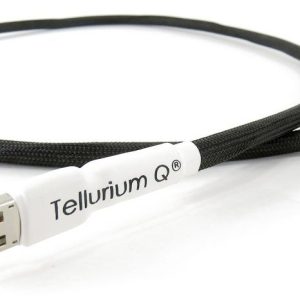
TIGLON TPL-2000U USB Audio Cable
780,00 €
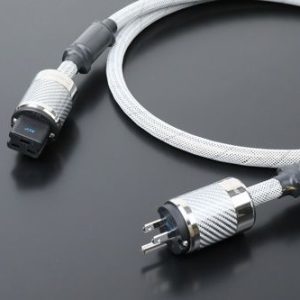
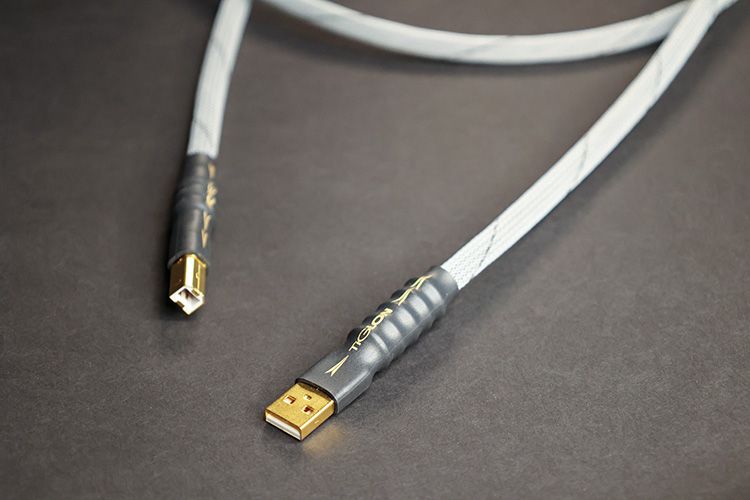
TIGLON TPL-2000U USB is a USB audio cable for connecting a digital source to a device with a USB audio input. Its two-part construction completely separates the signal and power lines. Single-crystal OCC silver is used for signal transmission, while single-crystal OCC copper is used for power. Magnesium shielding and AMF filters are intended to reduce interference and support stable signal transmission.
TIGLON TPL-2000U USB cable is designed to carry digital audio signals over a USB connection. It is the flagship model and the fourth product in the Premium Line 2000 series. The cable can connect a USB audio source to a digital converter or another device equipped with a suitable connection.
Purpose in an audio system
This USB audio cable carries both the digital signal and the USB power line. This type of connection is commonly used between a computer, network player or digital transport and a converter with a USB input.
The model incorporates construction solutions originally used in the TPL-2000A power cable, adapted here for the different task of USB audio transmission. This is particularly relevant in systems where signal data and power travel through the same cable connection.
Separate signal and power lines
The cable has a two-part construction in which the signal and power sections are completely separated. This arrangement is intended to reduce interaction and interference between the two sections inside the cable. It is not a conventional design in which all conductors are grouped together in a common bundle.
The signal line uses single-crystal OCC silver conductors, while the power line uses single-crystal OCC copper conductors. Each material has been selected for the role of its respective line. The signal and power circuits therefore differ not only in their physical placement, but also in the conductor material used.
Shielding and mechanical protection against interference
TIGLON magnesium shielding surrounds the outer section of the cable and is used together with a special outer tube. These construction elements are intended to reduce noise caused by electromagnetic interference and vibration.
In practice, the cable should be routed away from power supplies and coiled mains cables. Avoid bending it sharply near the connectors. This helps the cable maintain a natural position and prevents continuous mechanical strain from being placed on the sockets.
HSE treatment and AMF filters
The cable receives Hypersaturated Energizer burn-in treatment at the factory. This is not a user-adjustable feature or an additional preparation step. The treatment has already been completed before the cable is put into use.
Advanced Magnesium Filter (AMF) elements are fitted at both ends. One AMF filter is located on the input side and the other on the output side. They are intended to help maintain stable signal transmission throughout the cable connection.
Allow sufficient space behind the connected equipment for the filter housings. The connector should not have to support the weight of a sharply bent cable. If a component is positioned close to a wall, make sure there is enough clearance for the cable to curve naturally.
Choosing the connection and cable length
USB sockets vary in both shape and purpose, so inspect the output on the source and the input on the receiving device before choosing a cable. Each end must have the correct physical connector for the corresponding socket.
Choose the length according to the cable’s actual route rather than the straight-line distance between components. Include a little extra length so the cable can turn freely. A cable that is too short can strain the sockets, while unnecessary excess length can make tidy routing more difficult.
This model should not be selected solely because both devices carry the USB name. The physical connector type and support for USB audio are separate considerations. A plug that fits the socket does not by itself mean that the device can receive a USB audio signal.
Use in stereo and home cinema systems
In a stereo system, the cable can connect a USB audio source to a separate digital-to-analogue converter. It may also be used with an amplifier that has a suitable USB audio input. In that arrangement, the receiving component performs the conversion from digital to analogue.
In a home cinema system, the cable can connect a computer or network player to the USB audio input of a receiver or processor.
Connection and everyday use
Reduce the system volume before making the connection. Hold the plug by its body and insert it straight into the socket. Do not pull the cable by its outer tube or by a filter housing.
After connection, you may need to select USB audio output on the source and the corresponding USB input on the receiving device. The exact settings depend on the equipment being used, as the cable itself has no controls.
Technical specifications
| Model | TIGLON TPL-2000U |
|---|---|
| Product type | USB audio cable |
| Series | TIGLON Premium Line 2000 |
| Position in the series | Fourth product in the series; flagship model |
| Construction | Two-part construction |
| Line arrangement | Completely separate signal and power sections |
| Signal conductors | Single-crystal OCC silver |
| Power conductors | Single-crystal OCC copper |
| Shielding | TIGLON magnesium shielding around the cable’s outer section |
| Outer layer | Special outer tube |
| Purpose of the construction | Reduction of noise caused by electromagnetic interference and vibration |
| Treatment | Hypersaturated Energizer burn-in treatment |
| Filters | AMF filters at both ends of the cable |
| Purpose of the filters | To support stable signal transmission |
FAQ
Which devices can be connected with this cable?
It is intended to connect two devices that support USB audio. A typical example is a digital source connected to a converter with a USB input.
How do I choose the correct USB connectors?
Compare the sockets on both devices and check what each socket is designed to do. The required cable variant must have the correct physical connector for each socket.
Does every USB socket carry an audio signal?
No. Some USB sockets are intended for storage media, servicing or software updates. This cable requires connections that support USB audio communication.
Are the same conductors used for the signal and power lines?
No. The signal line uses single-crystal OCC silver conductors, while the power line uses single-crystal OCC copper conductors.
Is the cable suitable for a stereo amplifier?
Yes, provided that the amplifier has a USB audio input and the appropriate socket. Otherwise, the cable can be connected to a separate converter.
Can it be used in a home cinema system?
Yes, if the receiver or processor can accept a USB audio signal. A USB socket intended only for servicing is not suitable for an audio connection.
How should I choose the cable length?
Measure the complete routing path and allow some extra length for a gentle bend. The cable should not pull on the sockets or be bent sharply.
Do I need to perform the HSE treatment myself?
No. The HSE burn-in treatment is applied during production. The user does not need to carry out a separate procedure or use any additional equipment.