


Tellurium Q US-XLR Analog XLR Interconnect Cable
1 116,00 €
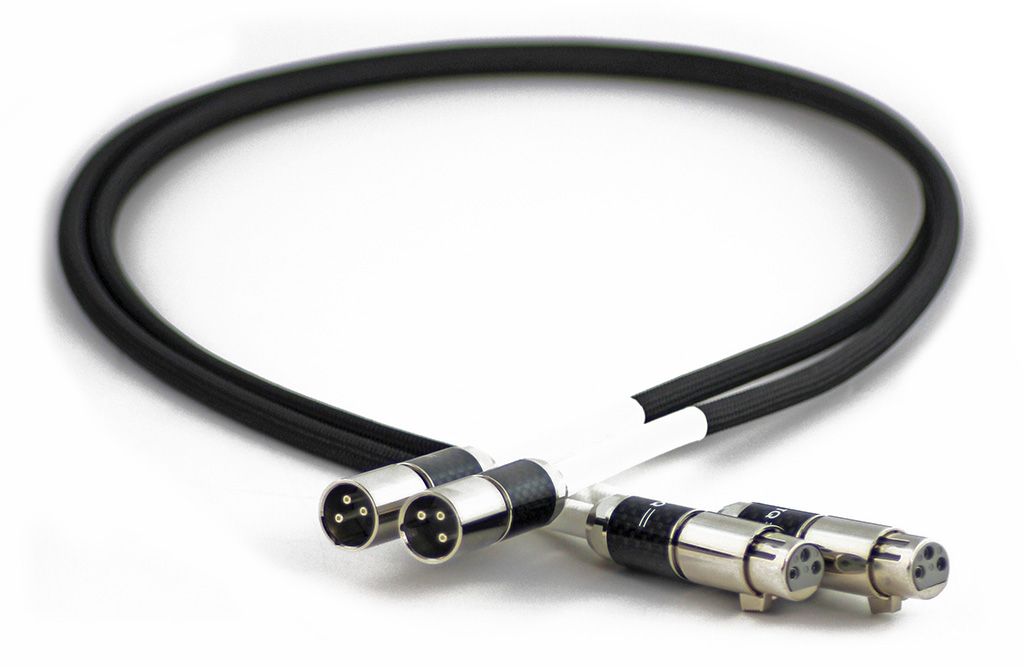
Tellurium Q US-XLR is an analog interconnect for linking audio components with XLR connections. Its sound builds on the Graphite interconnect, bringing out more detail and extending high frequencies without harshness. Designed for signal transfer between components, the US-XLR is an interconnect rather than a speaker cable.
The Tellurium Q US-XLR is an analog interconnect cable for transferring audio signals between components with XLR connections. It connects XLR-equipped audio equipment within a sound system. Its purpose is signal transfer between components, rather than a connection to speakers.
The US-XLR builds on the sound characteristics of the Tellurium Q Graphite interconnect. It brings out more detail and presents high frequencies with greater extension, without adding harshness. Those qualities make it relevant to listeners who value a revealing yet comfortable treble presentation.
This cable suits a system whose source and receiving components both provide XLR connections. It is intended for the analog signal path between those components. For listeners familiar with Graphite, the US-XLR offers a way to explore more detail and treble extension.
Benefits
- XLR connectivity – the US-XLR connects audio components equipped with XLR connections.
- Analog signal transfer – it carries an analog audio signal between components in a sound system.
- Interconnect design – its role is to link equipment, rather than serve as a speaker cable.
- Graphite sound foundation – its sonic character draws on the Tellurium Q Graphite interconnect.
- Greater detail – the US-XLR develops the sense of detail associated with Graphite.
- Extended high frequencies – its treble presentation reaches further than the Graphite-based sound it develops.
- Treble without harshness – the added high-frequency presence retains a smooth, non-harsh character.
Who Is This Cable For?
The US-XLR is for listeners connecting two XLR-equipped audio components in an analog signal chain. Its XLR connection defines the equipment it serves; no particular component model is required. The cable belongs between compatible components, where an interconnect carries the audio signal.
It also suits listeners considering the sonic relationship between Tellurium Q models. The US-XLR takes the Graphite interconnect’s characteristics further in detail and high-frequency extension. Its treble is described by its reach and absence of harshness, rather than by extra sharpness.
Choose the US-XLR when the connection calls for an analog XLR interconnect and those sound qualities matter. Its stated application is an equipment-to-equipment audio connection. A speaker connection calls for a different cable type.
Technical Specifications
| Brand | Tellurium Q |
|---|---|
| Model | US-XLR |
| Product type | Analog audio interconnect cable |
| Connection | XLR |
| Application | Analog signal transfer between XLR-equipped audio components |
| Sound character | Graphite interconnect characteristics with greater detail and extended high frequencies without harshness |
Why Choose the Tellurium Q US-XLR?
The US-XLR has a clear place in an XLR-equipped audio system: it links components in the analog signal path. That application makes it a choice for equipment connections where an XLR interconnect is needed. Its identity as an interconnect also distinguishes it from a speaker cable.
Its sonic distinction lies in how it develops the Graphite interconnect’s presentation. The US-XLR offers more detail while extending the high frequencies. Crucially, the description of that extension does not include harshness. The combination addresses listeners who want greater insight without an aggressive treble balance.
The relationship to Graphite provides a useful point of reference within the Tellurium Q range. Listeners who know Graphite’s sound can identify what the US-XLR changes: detail and treble reach. Both differences concern the listening presentation, while its practical role remains analog audio transfer through XLR connections.
Frequently Asked Questions
What equipment is the Tellurium Q US-XLR for?
- The US-XLR is for audio components with XLR connections. It transfers an analog signal between those components.
Can I use the US-XLR between two XLR-equipped audio components?
- Yes. Connecting XLR-equipped components in an audio system is the cable’s intended application.
Is the Tellurium Q US-XLR a speaker cable?
- No. The US-XLR is an audio interconnect for a signal connection between components.
How does the US-XLR relate to the Graphite interconnect?
- Its sound draws on Graphite’s characteristics, then develops detail and high-frequency extension further.
Does the added treble extension make the US-XLR sound harsh?
- The US-XLR’s high frequencies are described as more extended without harshness.
What type of audio signal does this cable carry?
- The US-XLR is designed to transfer an analog audio signal between equipment with XLR connections.
Tellurium Q US-XLR brings the Graphite interconnect’s sonic foundation to an analog XLR connection. It adds detail and high-frequency extension while keeping the treble free of harshness.