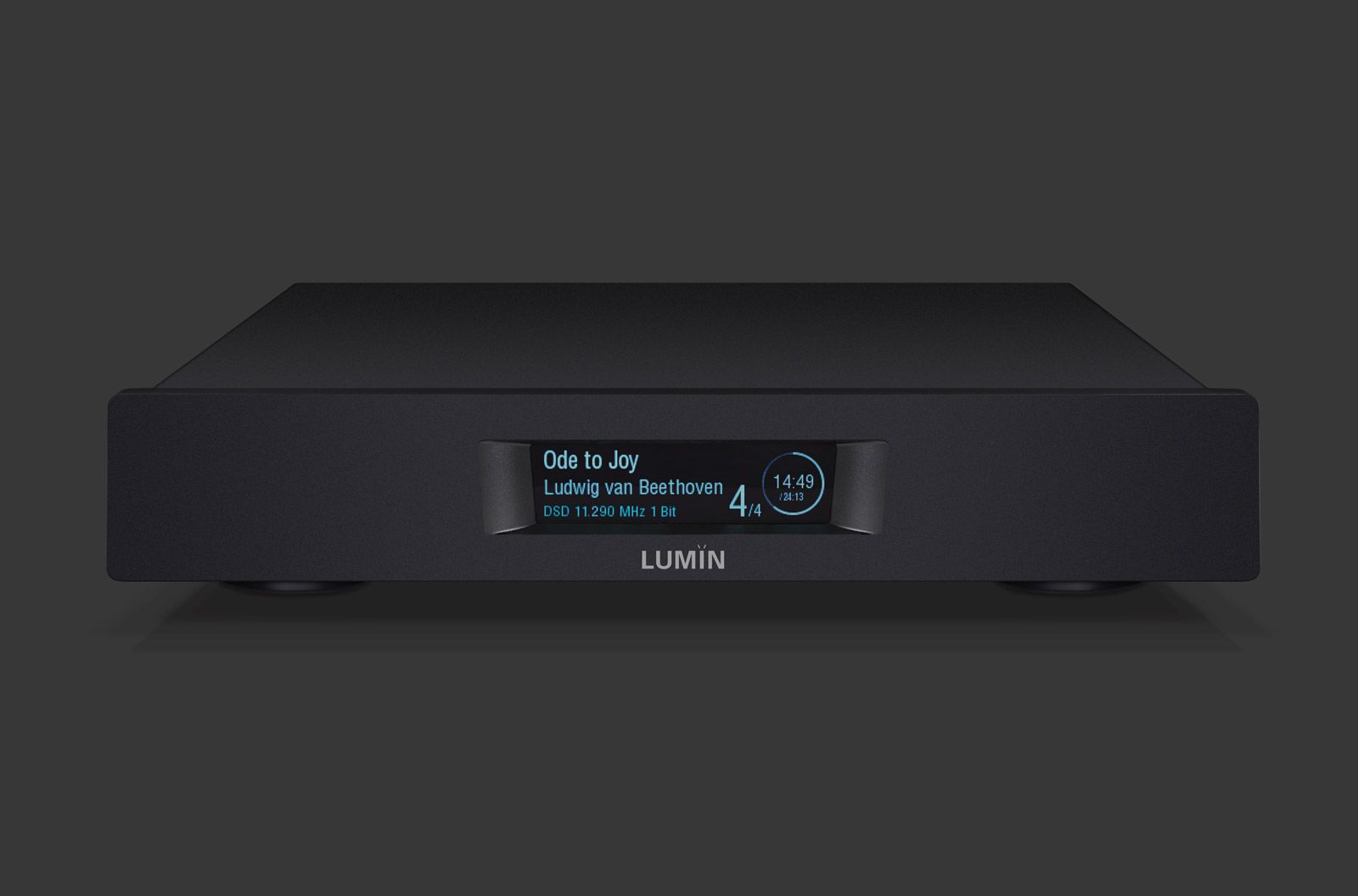
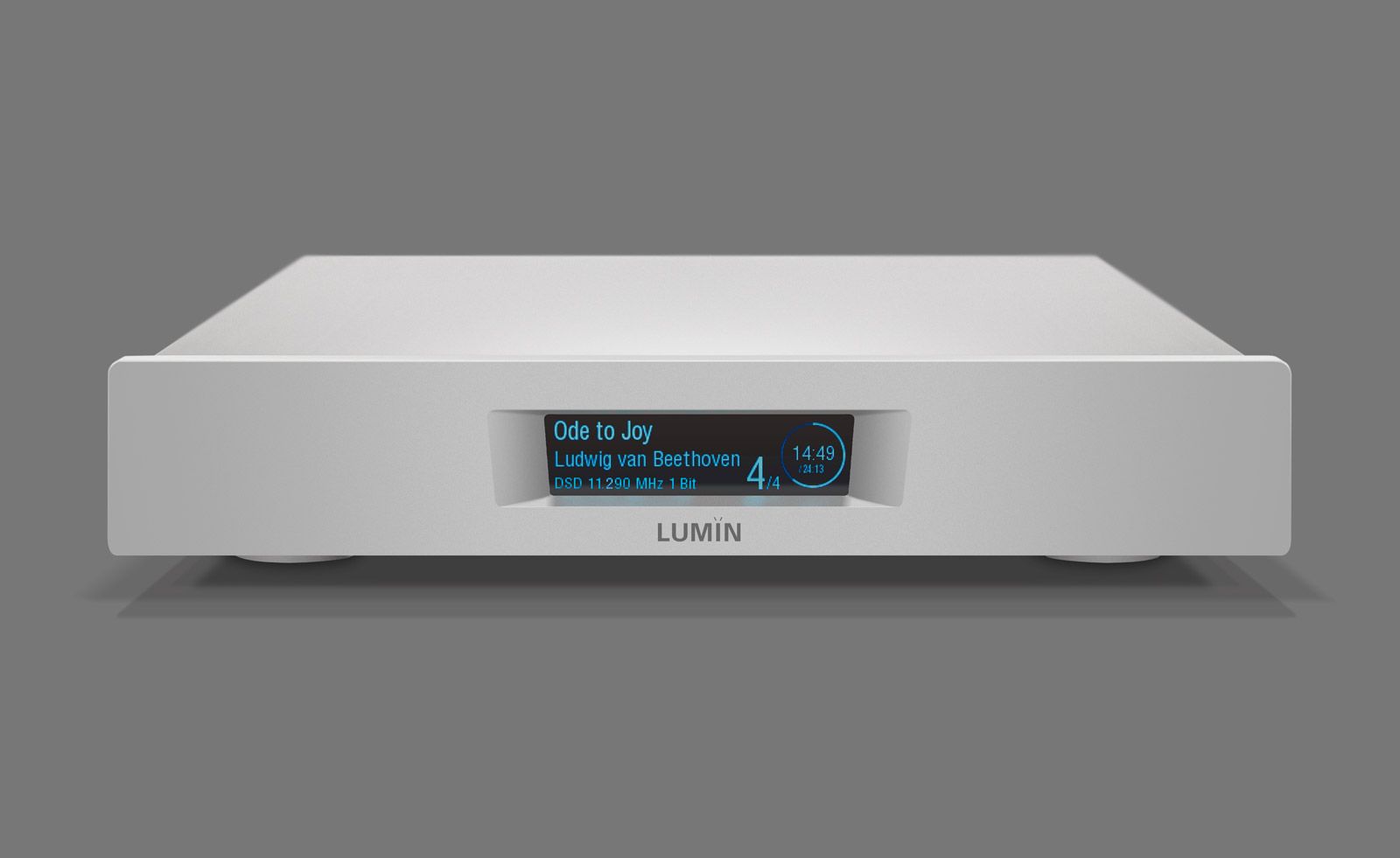
Lumin D3 Network Music Player
2 600,00 €
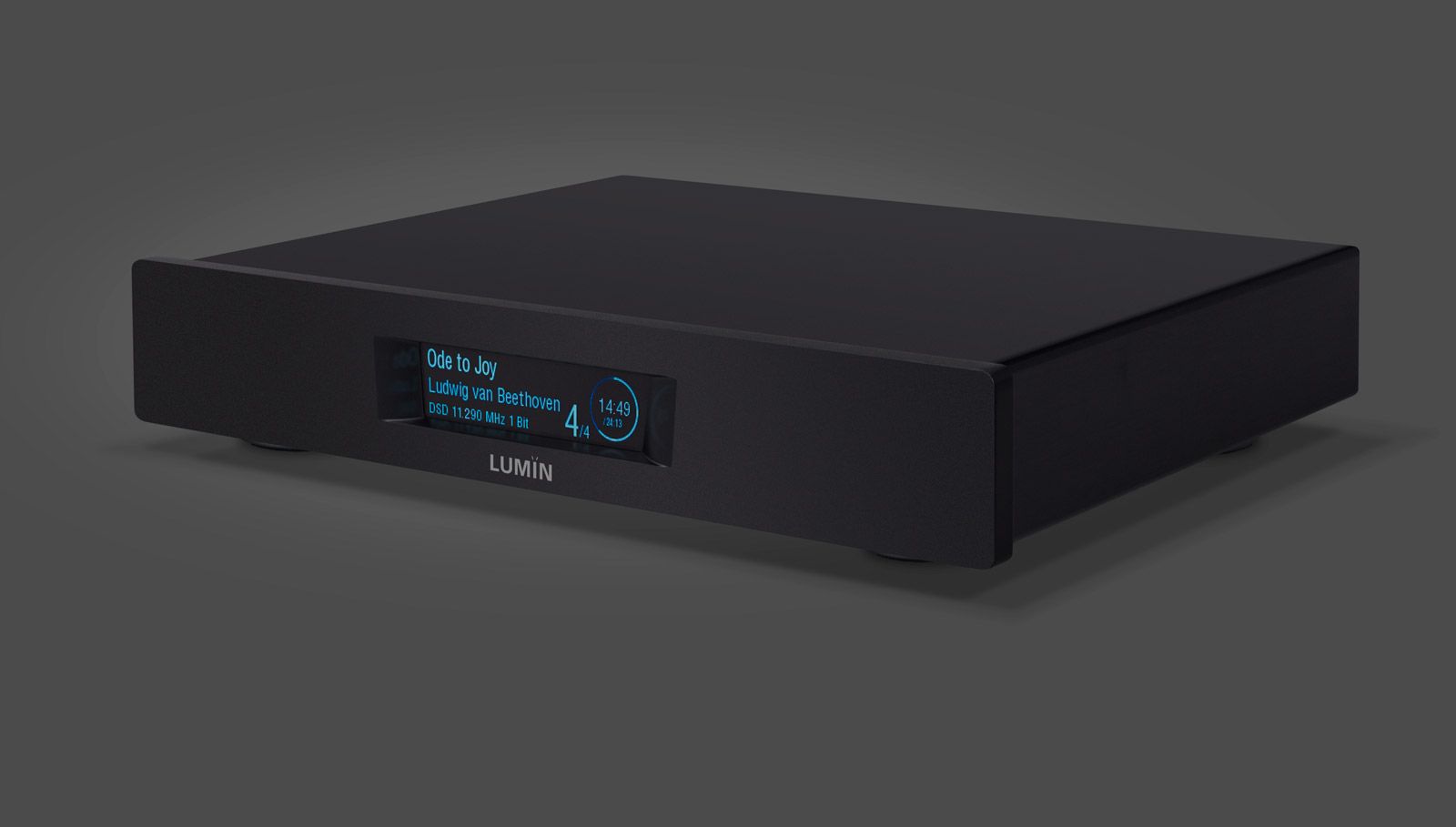
The Lumin D3 network music player is designed for a wired-network stereo system. It combines music streaming, an ES9028PRO DAC and digital preamplifier functionality. Support for DSD256 and PCM up to 384 kHz enables playback of high-resolution recordings. XLR and RCA outputs provide analogue connections, while BNC is intended for an external DAC. Lossless volume control can help simplify the system.
The Lumin D3 network music player combines a network music source, DAC and digital preamplifier in one component. It is designed for a wired-network stereo system. Its internal ESS SABRE32 ES9028PRO converter supports DSD256 and PCM recordings up to 384 kHz. XLR, RCA and BNC outputs provide several suitable connection options.
Purpose and system matching
This is a network music streamer with an integrated digital-to-analogue converter. Music can be streamed over the network or played from compatible USB storage. Its analogue outputs can be connected to an amplifier or active speakers equipped with the corresponding inputs.
Lossless volume control allows the D3 to function as a digital preamplifier. The Leedh Processing algorithm reduces the rounding errors normally associated with digital volume adjustment. If volume is controlled by an amplifier, it is advisable to use only one main volume control in the system.
DAC and analogue audio stage
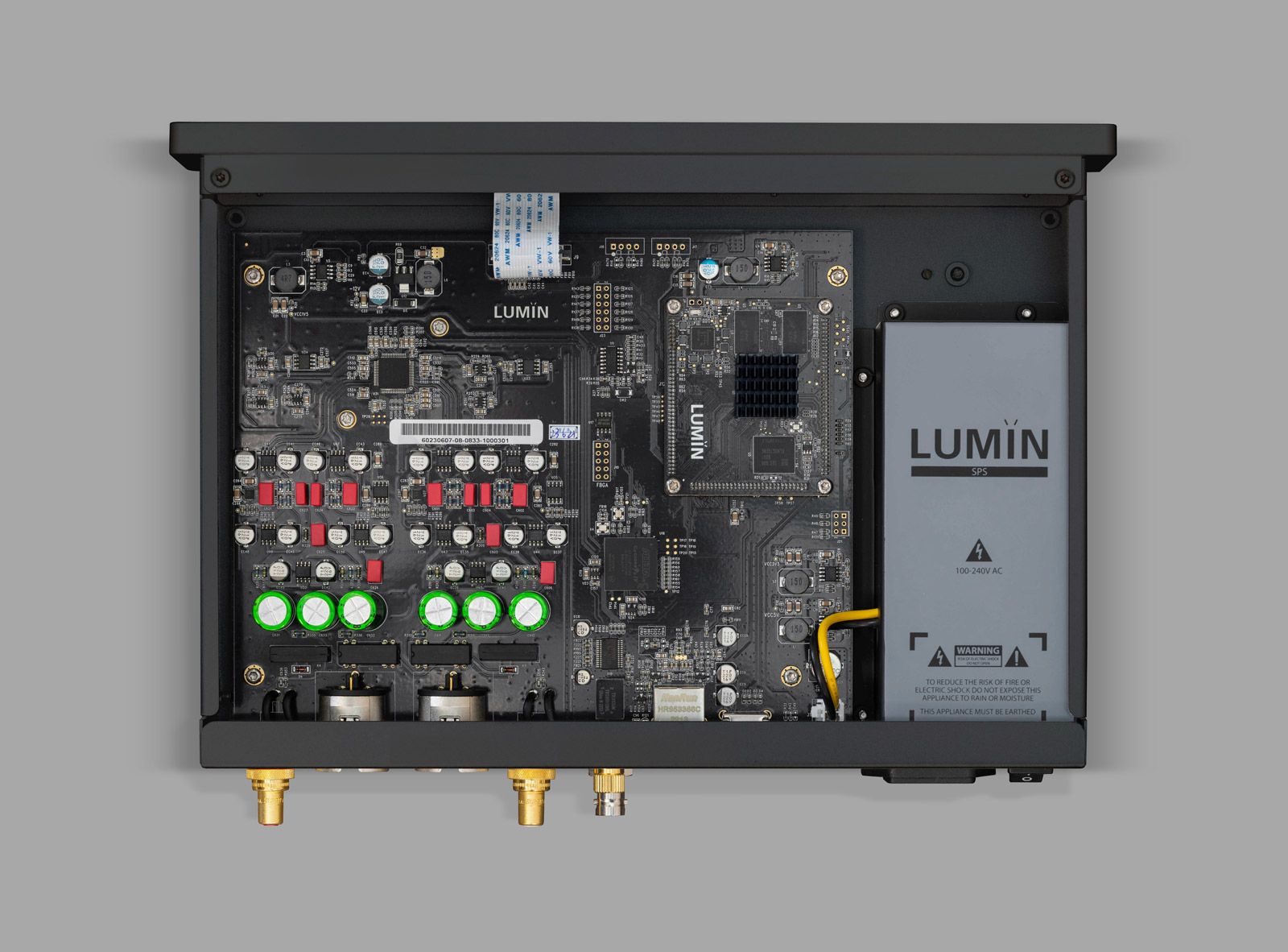
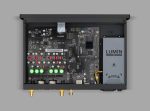
The integrated digital-to-analogue converter is based on the ES9028PRO chip. The analogue signal path is fully balanced. Its redesigned buffer incorporates technology derived from the Lumin X1 and uses an audiophile-grade output capacitor.
The analogue stage is designed for extremely low noise and a wide dynamic range. A dedicated clocking system provides accurate data timing. This is particularly relevant when using the internal DAC and sending the converted signal through the analogue outputs.
File playback and processing
The player supports DSD up to DSD256 in one-bit, two-channel form. PCM playback is supported up to 384 kHz and 32-bit. Compatible files can also be converted to DSD256 or PCM at 384 kHz.
The updated hardware and software platform provides a wider selection of sample-rate conversion options. It can upsample or downsample within the limits of the supported formats. Additional processor performance and memory capacity are provided for this processing.
Supported DSD file types include DSF, DIFF and DoP. Losslessly compressed and uncompressed PCM formats include FLAC, ALAC, WAV and AIFF. MP3 playback is also supported, while MQA is listed in the seller’s product information.
Connections and how to choose them
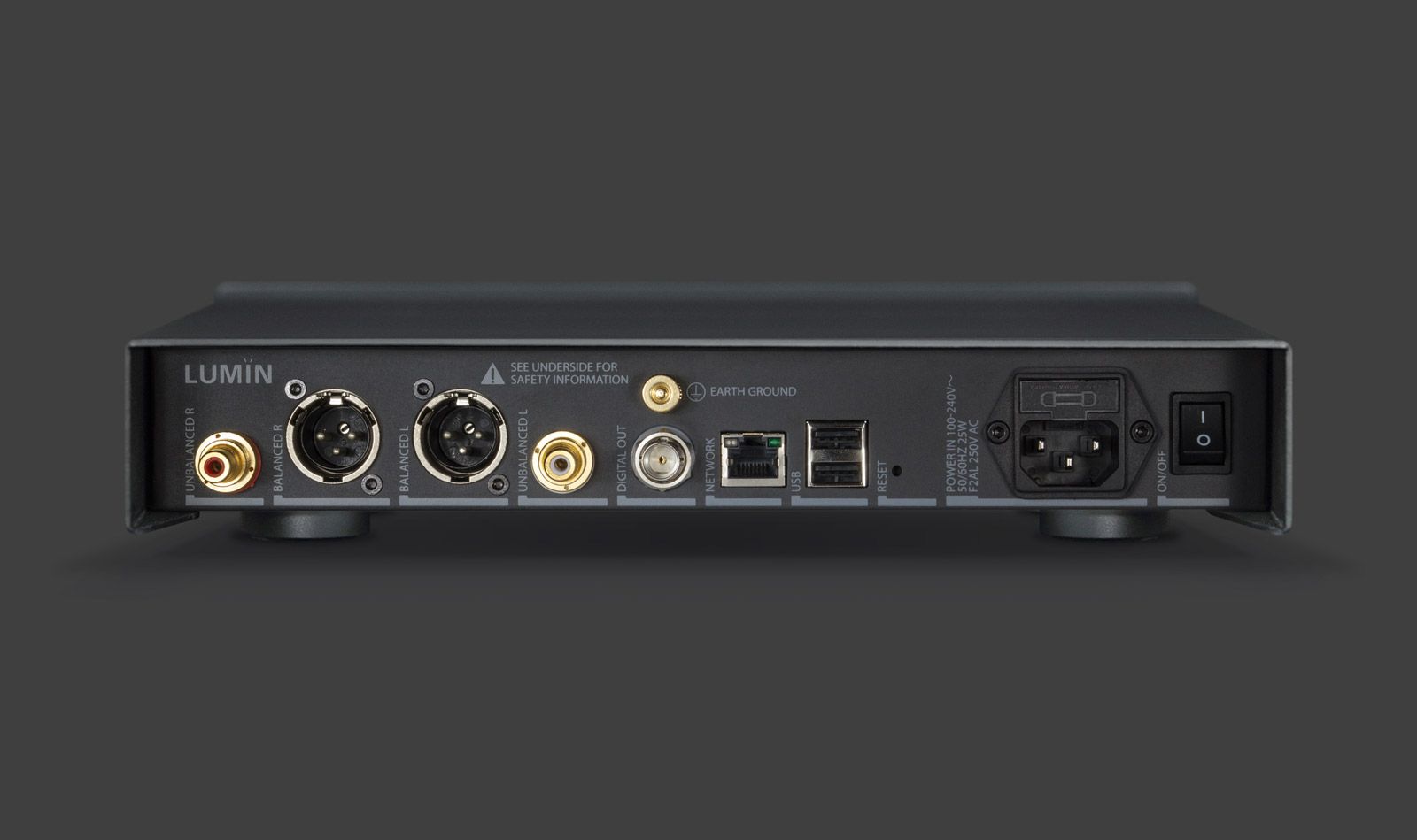
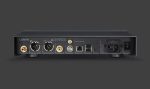
The XLR output carries a balanced analogue signal with an output level of up to 6 Vrms. It uses pin 2 as the hot connection. Choose this output when the amplifier has compatible balanced inputs.
The RCA output carries an unbalanced analogue signal with an output level of up to 3 Vrms. It is intended for amplifiers and active speakers fitted with RCA inputs. Both analogue connection options use the internal ES9028PRO DAC.
The BNC S/PDIF output is intended for an external DAC or compatible receiver. It carries PCM at up to 192 kHz and 24-bit. DSD64 is transmitted as DoP at 2.8 MHz. These limits are lower than the maximum playback capabilities of the internal DAC.
The network connection is provided by an RJ45 1000Base-T Gigabit Ethernet port. Integrated Wi-Fi and Bluetooth connectivity are not specified. A wired network connection should therefore be available at the player’s installation position.
The USB input is intended for USB flash drives and external USB hard drives. The storage device must contain a single FAT32, exFAT or NTFS partition. The supplied specifications do not list USB audio input from a computer.
Control and network features
The seller’s information lists UPnP AV with the OpenHome audio-streaming extension, Roon Ready, TIDAL Connect, Spotify Connect and AirPlay 2. Their current compatibility and regional availability have not been independently verified.
The listed service integrations also include TIDAL, Qobuz, Plex, TuneIn and FLAC radio stations. The app can be used to adjust volume, search for music and create playlists stored on the device. Gapless playback preserves uninterrupted transitions in concerts and albums.
Control features include album-art caching and the processing of multiple metadata tags. Composer tags and album grouping within playlists are supported. Playlists can be saved and restored, including lists from TIDAL and Qobuz.
The app can provide online links relating to artists, albums and tracks. The seller’s information also mentions icons for TIDAL MQA and Qobuz high-resolution content. Previously stated minimum operating-system requirements were iOS 11 and Android 4.0. Before purchasing, check the current status of Roon Ready, TIDAL, Qobuz, Spotify Connect, AirPlay 2 and MQA support.
Enclosure and placement
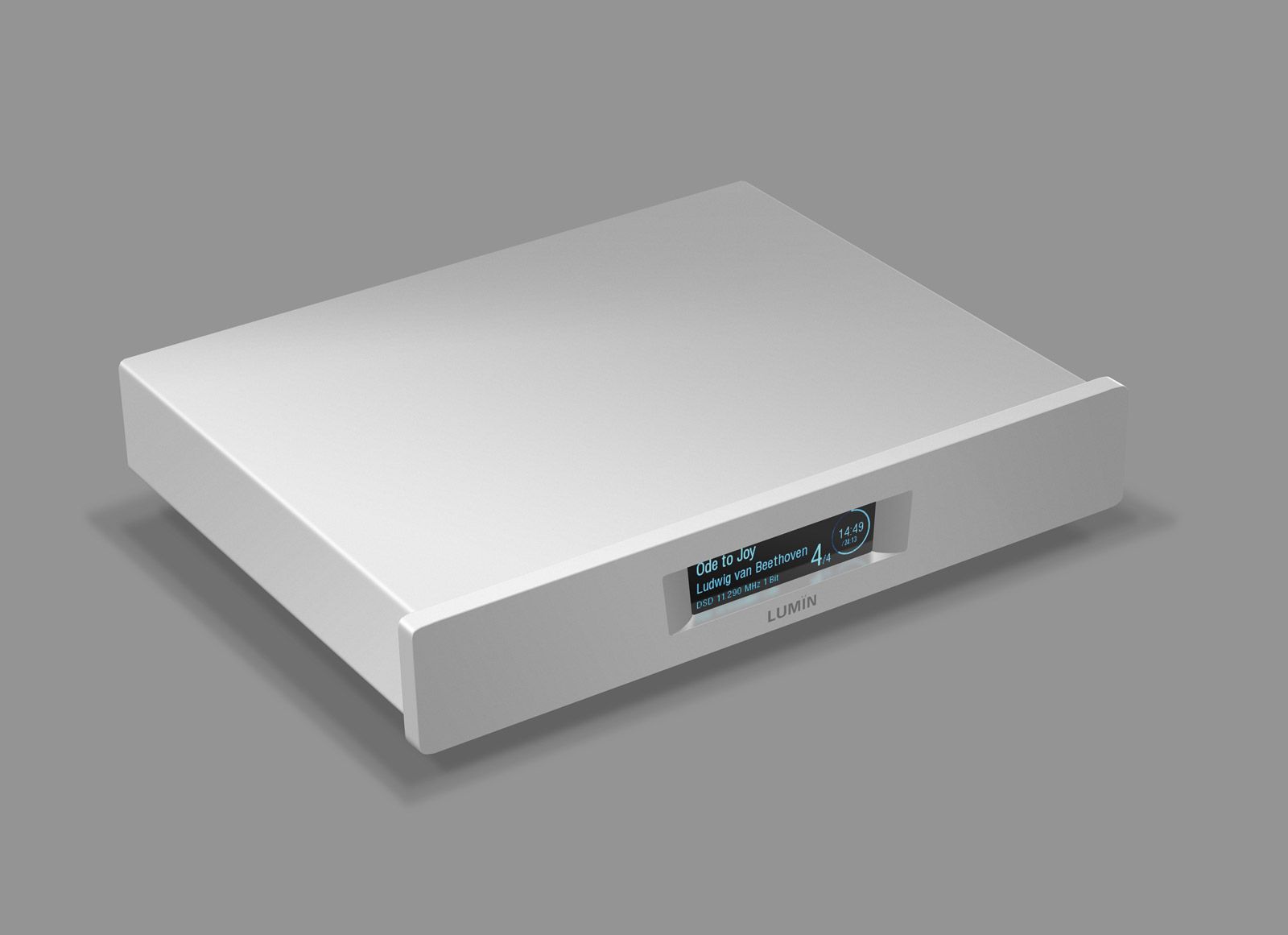
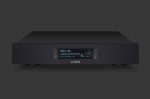
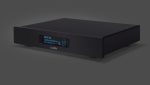
The enclosure is made entirely from aluminium, eliminating the steel used in the previous construction. A thick CNC-machined front panel is intended to improve mechanical damping. The surface-finishing process is derived from the Lumin P1.
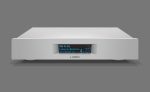
The silky surface texture is less prone to fingerprints and easier to clean. Black and natural anodised aluminium finishes are available. The enclosure measures 300 mm wide, 244 mm deep and 60 mm high.
When selecting a shelf, allow additional space behind the unit for the XLR, RCA, BNC and Ethernet connections. At 2.5 kg, the player can be placed on a conventional stable equipment shelf. Power and signal cables should be arranged so that they do not place pressure on the connectors.
Power supply
The internal low-noise power supply automatically accommodates an AC input of 100-240 V. The power-supply section is shielded to reduce its interference with sensitive digital and analogue electronics.
Technical specifications
| Type | Network music player, DAC and digital preamplifier |
|---|---|
| DAC chip | ESS SABRE32 ES9028PRO |
| Analogue design | Fully balanced signal path |
| Analogue buffer | Lumin X1 technology and audiophile-grade output capacitor |
| Clocking | Dedicated precision clocking system |
| DSD playback | Up to DSD256, 1-bit, stereo |
| PCM playback | Up to 384 kHz, 16-32-bit, stereo |
| Sample-rate conversion | Upsampling and downsampling up to DSD256 or PCM 384 kHz |
| DSD formats | DSF, DIFF, DoP |
| Lossless PCM formats | FLAC, ALAC, WAV, AIFF |
| Compressed format | MP3 |
| Additional audio feature | MQA listed in the seller’s information |
| Network protocol | UPnP AV with OpenHome audio-streaming extension |
| Network features | Roon Ready, TIDAL Connect, Spotify Connect and AirPlay 2 listed by the seller |
| Service integrations | TIDAL, Qobuz, Plex, TuneIn and FLAC radio stations listed by the seller |
| Playback | Gapless playback and playlists stored on the device |
| App features | Search, volume control, album-art caching, multiple-tag processing and composer-tag support |
| Playlist features | Album grouping, saving and restoring, including TIDAL and Qobuz lists |
| Content information | Online links plus TIDAL MQA and Qobuz high-resolution icons |
| Historical control requirements | iOS 11 or Android 4.0 |
| Network input | RJ45, 1000Base-T Gigabit Ethernet |
| USB storage | Flash drives and hard drives; one FAT32, exFAT or NTFS partition |
| Balanced output | XLR, 6 Vrms, pin 2 hot |
| Unbalanced output | RCA, 3 Vrms |
| Digital output | BNC S/PDIF |
| BNC PCM signal | 44.1-192 kHz, 16-24-bit |
| BNC DSD signal | DSD64 via DoP, 2.8 MHz, 1-bit |
| Volume control | Leedh Processing lossless digital control |
| Software | Upgradeable device firmware |
| Power supply | Internal, low-noise, 100-240 V AC with automatic voltage selection |
| Power-supply construction | Shielded section designed to reduce interference with sensitive electronics |
| Enclosure | Aluminium with a thick CNC-machined front panel |
| Finish | Black or natural anodised aluminium with a silky surface texture |
| Dimensions | 300 × 244 × 60 mm |
| Weight | 2.5 kg |
FAQ
Which connection should I use with a stereo amplifier?
Use XLR if the amplifier has a compatible balanced input. Otherwise, choose RCA. In both cases, the signal is converted by the player’s internal DAC.
Can the player be connected to an AV receiver?
Yes. It can be connected to an analogue XLR or RCA input. BNC is suitable for a receiver with a compatible S/PDIF input. The player outputs a two-channel signal.
Can it be used without a separate preamplifier?
The lossless volume control allows the player to operate as a digital preamplifier. Before connecting it directly to a power amplifier, always set a safe initial volume level.
Does the USB port accept audio from a computer?
USB audio input from a computer is not listed in the supplied specifications. The USB connection is described as an input for compatible storage devices.
Is a wired network connection required?
The D3 connects through its RJ45 Gigabit Ethernet port. Internet access is required for online services, but local playback only requires a wired local network connection. Integrated Wi-Fi and Bluetooth are not specified.
When should I use the BNC digital output?
Choose it when using an external DAC or a compatible digital receiver. For the highest supported resolution, use the internal DAC and analogue outputs.
Where should the player be installed?
Place it on a stable equipment shelf. Allow additional room behind the 244 mm-deep enclosure for connectors and cables.
Is it designed for a multi-zone system?
A dedicated synchronised multi-device playback function is not specified. Each zone would require a separate signal path and control solution.