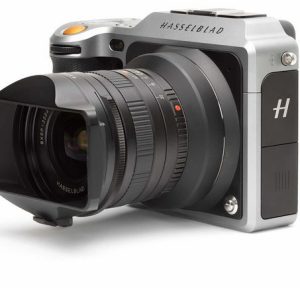
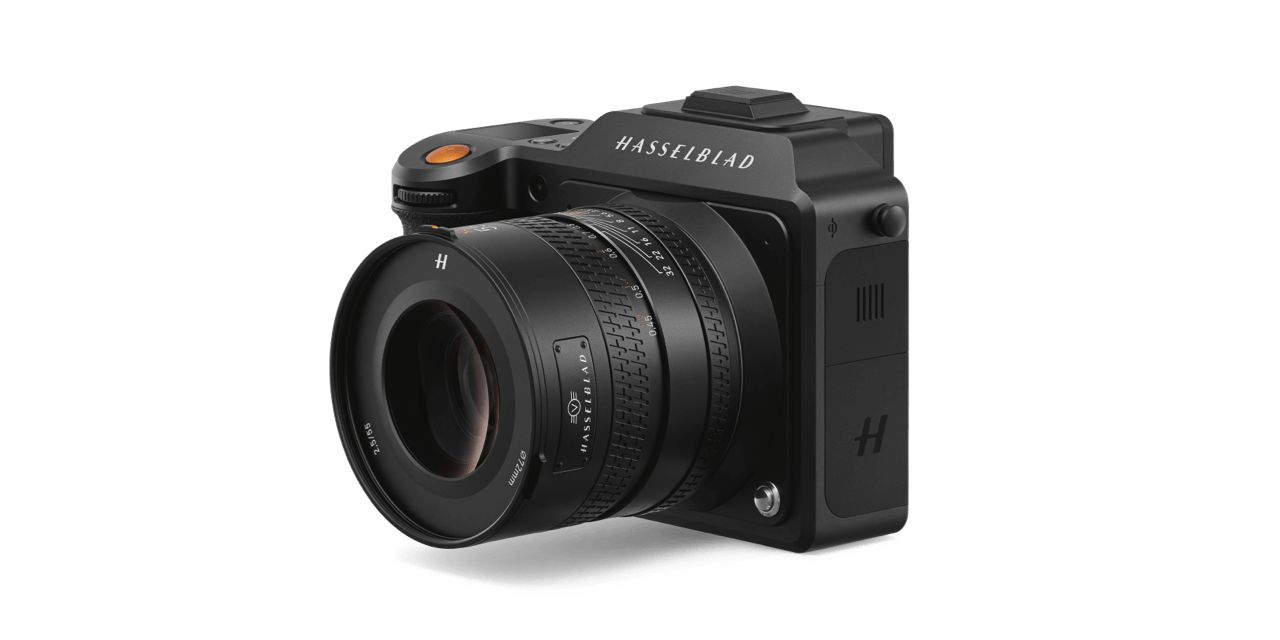

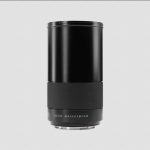
Hasselblad X2D 100C Camera
Original price was: 8 400,00 €.7 900,00 €Current price is: 7 900,00 €.
The Hasselblad X2D 100C is a 100 MP medium-format digital camera for photographers who value resolution, colour gradation and a RAW-based workflow. Its BSI CMOS sensor operates at a base sensitivity of ISO 64. A 16-bit colour depth and 15-stop dynamic range provide extensive tonal information for processing. USB-C, dual-band Wi-Fi and Phocus Mobile 2 offer wired and mobile file-transfer options.
The Hasselblad X2D 100C camera is a 100-megapixel medium-format digital camera designed for high-resolution photography. It is suited to photographers who value fine detail, extensive tonal information and the flexibility of a RAW-based workflow.
Image data and colour
The medium-format CMOS sensor uses a backside-illuminated (BSI) design. Its base sensitivity is ISO 64, providing a clear reference point when shooting conditions allow precise control over exposure. This low base sensitivity is particularly relevant when light, shutter speed, aperture or supplementary lighting can be managed deliberately.
16-bit colour depth covers more than 281 trillion colours. This provides a substantial amount of image data for reproducing subtle colour transitions and carrying out further processing. The 15-stop dynamic range preserves a wider spread of tonal information across both bright and dark areas of the frame, giving the photographer more material to work with during editing.
The Hasselblad Natural Colour Solution (HNCS) is designed to reproduce colours with a natural appearance. Photography does not require the use of preset colour profiles before capture. As a result, editing can begin from a neutral, natural-looking colour foundation rather than from a strongly stylised starting point.
Aluminium-alloy body
The exterior body components are formed from solid blocks of aluminium alloy. They are then precision-machined to create the camera’s curved surfaces. The result is a metal body that follows the Scandinavian design direction associated with the Hasselblad X System.
The dark grey finish clearly distinguishes this body from lighter camera variants. When choosing the camera, it is important to note that this listing refers specifically to the dark grey body colour.
Wired and wireless file transfer
The USB-C 3.1 Gen 2 connection supports data-transfer speeds of up to 10 Gbit/s. A wired connection is suitable for computer-based work and other situations in which a direct data path is required. Actual transfer speed depends on the connected equipment and the cable being used, so the stated figure should be understood as the maximum supported speed rather than a guaranteed result in every setup.
The camera also supports 2.4 GHz and 5 GHz Wi-Fi. This wireless route is intended for transferring photographs to a compatible mobile device without using a data cable. The choice between USB-C and Wi-Fi can therefore be based on the equipment available and whether a direct or mobile workflow is more practical.
Mobile RAW workflow
With Phocus Mobile 2, the camera can connect wirelessly to an iPad or iPhone. The app supports the transfer of full-resolution JPEG and RAW images. JPEG is useful when working with an already processed result, while RAW retains more image data for subsequent editing.
RAW images can be edited and exported as part of the mobile workflow. This makes it possible to review selections and carry out initial processing on a compatible mobile device. HNCS colour information remains part of this workflow, allowing the mobile editing process to begin with the camera’s natural colour rendering.
Before relying on this workflow, check the applicable compatibility requirements for the app, operating system, mobile device and camera firmware. Compatibility should be confirmed for the equipment and software versions that will actually be used.
Charging and everyday preparation
The camera supports USB Power Delivery 3.0 fast charging. Compatible third-party PD 3.0 chargers may also be used. This can make it possible to use a suitable charging solution that is already available, but the charger must support the specified standard. Support for other charging standards is not stated for this model.
What to consider before choosing
This model is worth considering when the photographic workflow is built around high resolution, broad colour gradation and RAW processing. Its image data is intended to give the photographer room for detailed post-production, including tonal and colour adjustments. The high resolution can also provide additional freedom when refining the crop during processing.
For mobile work, the specified route is an iPad or iPhone running Phocus Mobile 2. Wired transfer uses the USB-C connection. Buyers should therefore consider which transfer method fits their existing workflow and verify mobile compatibility before making the camera part of a device-dependent setup.
Technical specifications
| Model | Hasselblad X2D 100C |
|---|---|
| Product type | Medium-format digital camera |
| Sensor | 100-megapixel medium-format CMOS |
| Sensor design | Backside-illuminated BSI sensor |
| Base sensitivity | ISO 64 |
| Colour depth | 16-bit |
| Colour reproduction | More than 281 trillion colours |
| Dynamic range | 15 stops |
| Colour system | Hasselblad Natural Colour Solution |
| Body material | Exterior components formed from solid aluminium-alloy blocks and precision-machined |
| Finish | Dark grey |
| Wired connection | USB-C 3.1 Gen 2 |
| Maximum USB speed | Up to 10 Gbit/s |
| Wireless connectivity | 2.4 GHz and 5 GHz Wi-Fi |
| Mobile devices | iPad and iPhone via Phocus Mobile 2 |
| Mobile file transfer | Full-resolution JPEG and RAW images |
| Mobile processing | RAW image editing and export |
| Charging | USB Power Delivery 3.0 fast charging |
| Third-party chargers | Compatible USB Power Delivery 3.0 chargers supported |
FAQ
Who is this medium-format camera intended for?
It is aimed at photographers who place particular importance on fine image detail and broad tonal gradation. The high resolution also gives them more freedom to refine the composition by cropping during image processing.
When should I use USB-C, and when should I use Wi-Fi?
Choose USB-C for a direct wired workflow with compatible equipment. Wi-Fi is convenient when transferring photographs to an iPad or iPhone through Phocus Mobile 2 without connecting a data cable.
Which files can be transferred to a mobile device?
The app supports the transfer of full-resolution JPEG and RAW images. Choose RAW when further editing is required, or JPEG when working with an image that has already been processed.
What difference does the base ISO 64 sensitivity make when shooting?
It is a low base sensitivity suited to conditions in which exposure can be controlled precisely. When less light is available, the shutter speed, aperture or lighting will need to be adjusted accordingly.
What should I check before using Phocus Mobile 2?
Before buying, check the applicable compatibility requirements for the app, operating system, device and camera firmware. This helps confirm that the intended mobile workflow matches the equipment you plan to use.
How does HNCS help when editing photographs?
The system is designed to render natural-looking colours without requiring preset colour settings. Editing can therefore begin from a neutral colour foundation.
Can I use a third-party charger I already own?
Yes, provided that the charger is compatible with the USB Power Delivery 3.0 standard. Support for a different charging standard is not specified for this model.