Beethoven Op. 96 / Enescu Op. 25 – Classical Music Recording
38,00 €
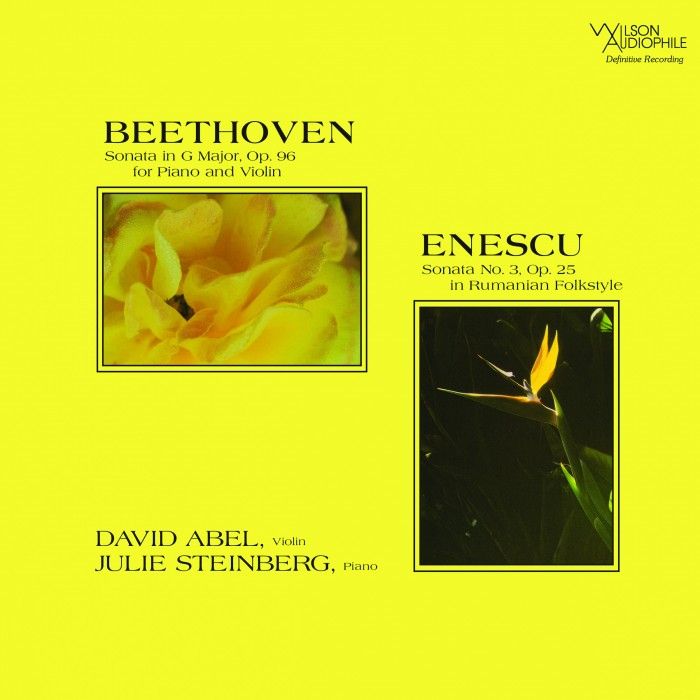
Beethoven Op. 96 and Enescu Op. 25 is a classical music recording for listeners seeking a programme of two sonatas. It pairs Beethoven’s Sonata in G Major with Enescu’s Sonata No. 3, described as being in the Romanian folk style. The performers and recording format are not specified, so the listing is best assessed primarily by its repertoire.
Beethoven: Sonata in G Major, Op. 96 / Enescu: Sonata No. 3, Op. 25 is a seven-track classical music recording. It is intended for listeners who want to compare two contrasting sonatas within a single programme. Beethoven’s sonata occupies the first four tracks, after which the programme continues with the Enescu work.
The Beethoven sonata is written for violin and piano. The Enescu work is presented as a sonata in the Romanian folk style. Together, the works offer an opportunity to hear a more restrained four-movement structure alongside a contrasting composition in three movements.
Programme structure
The recording contains two complete works, allowing the programme to be heard as a cycle of two contrasting sonatas. The track order clearly marks the conclusion of the first sonata and the beginning of the second, while preserving the intended sequence of movements within each work.
This pairing is useful for comparing different indications of tempo and mood. The movement titles make it easier to follow the changes in character throughout each composition, while the continuous running order maintains the integrity of both sonatas. Listeners can therefore approach the recording as one complete programme or concentrate on either work separately.
The progression of Beethoven’s sonata
Sonata in G Major, Op. 96 begins with “Allegro moderato.” This marking suggests a lively but measured tempo, establishing the restrained character of the opening. The second movement, “Adagio espressivo,” introduces a slower and more expressive section within the programme.
The third track, “Scherzo Allegro,” restores a quicker sense of movement. The sonata concludes with “Poco allegretto,” a marking that indicates a moderately lively pace. Heard in sequence, the four movements present a coherent progression from the measured opening through the slower central material and scherzo to a controlled finale.
The character of Enescu’s sonata
Sonata No. 3, Op. 25 is described as being written in the Romanian folk style. This part of the programme opens with “Moderato malinconico.” Its tempo and character markings indicate a moderate pace combined with a melancholy mood.
“Andante sostenuto e misterioso” identifies the middle movement as sustained and mysterious in character. The finale, “Allegro con brio, ma non troppo mosso,” calls for energy and brilliance without an excessively hurried tempo. These three movements create a clearly changing sequence of moods, moving from melancholy through mystery to a more energetic conclusion.
Listening options
Listening to the programme in its complete running order reveals the structural and expressive differences between the two sonatas most clearly. In Beethoven’s work, the mood develops from the moderate pace of the opening towards a restrained finale. In the Enescu sonata, a melancholy beginning gives way to a mysterious middle movement and an energetic final section.
For a shorter listening session, either sonata can be selected on its own, or individual movements can be chosen according to their tempo markings. The slower movements are suitable when a calmer section is preferred, while the scherzo and finale markings help listeners locate the livelier parts of the programme quickly.
The movement titles remain in their original language, preserving the conventional musical terms used for tempo and character. These familiar indications help listeners anticipate the general pace, mood and role of each movement before listening, without interrupting the established presentation of the works.
Identifying this release
This listing is identified by its pairing of the two works and its sequence of seven tracks. The performers, record label, recording date and specific edition or release version are not stated. The item is therefore aimed primarily at listeners choosing a recording by repertoire rather than by a named performer or particular interpretation.
The physical or digital format, region, packaging and any accompanying material are also unspecified. The recording cannot reliably be identified as a vinyl record, compact disc or digital release. Its programme remains the main basis on which this particular listing can be assessed.
Technical specifications
| Product type | Classical music recording |
|---|---|
| Programme | Two sonatas, seven tracks |
| Beethoven work | Sonata in G Major, Op. 96, for violin and piano |
| Beethoven movements | 1. Allegro moderato; 2. Adagio espressivo; 3. Scherzo Allegro; 4. Poco allegretto |
| Enescu work | Sonata No. 3, Op. 25, in the Romanian folk style |
| Enescu movements | 5. Moderato malinconico; 6. Andante sostenuto e misterioso; 7. Allegro con brio, ma non troppo mosso |
FAQ
Who is this programme intended for?
It is suitable for listeners interested in the sonatas of Beethoven and Enescu. The programme is also useful for comparing the structure and tempo indications of the two works.
What should I check before buying?
You should confirm the recording format, specific release version, condition, packaging and any included material, as these details are not provided in the listing.
Can I choose to listen to only one sonata?
Choose tracks 1-4 for the Beethoven sonata or tracks 5-7 for the Enescu sonata. This will preserve the correct movement order within each work.
How do the structures of the two works differ?
Beethoven’s sonata has four movements, including a scherzo. Enescu’s sonata consists of three movements and is associated with the Romanian folk style.
Are the performers on this recording identified?
No. The names of the violinist, pianist or ensemble are not given. The release can be selected on the basis of its repertoire, but not according to a specific interpretation.
Is this a vinyl record, compact disc or digital recording?
The particular format is not identified. Compatibility with a CD player, SACD player or turntable therefore cannot be confirmed.
What do the movement titles reveal about the programme?
The original tempo and character terms help indicate whether a movement is measured, slow, mysterious, melancholy or energetic.
![Anne Bisson - Keys to My Heart [One-Step Pressing] music album](https://audiocentras.lt/wp-content/uploads/2026/09/anne-bisson-keys-to-my-heart-one-step-pressing-1-300x300.jpg)