
Pro-Ject X1 Turntable
799,00 €
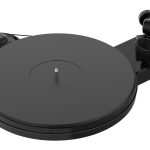
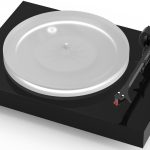
The Pro-Ject X1 turntable is a manual belt-drive model designed for vinyl playback in a stereo system. Electronic control allows you to select 33, 45 or 78 rpm. Its 1.5 kg acrylic platter and isolated motor reduce the transfer of resonance and mechanical noise. The adjustable composite tonearm enables more precise cartridge alignment. The variant described is supplied with a factory-fitted and adjusted Sumiko Olympia MM cartridge; confirm the specific configuration before purchasing.
The Pro-Ject X1 turntable is a manual belt-drive model designed for vinyl playback in a stereo system. Its electronically selectable speeds are 33, 45 and 78 rpm. A heavy acrylic platter and a motor isolated from the plinth help reduce resonance and mechanical noise.
Construction and drive system
A DC/AC generator board controls the motor power and maintains smooth drive operation. A suspension system decouples the motor from the plinth, reducing the transfer of vibration to the platter and tonearm.
The motor drives the platter through a sub-platter system. The sub-platter bearing has a tolerance of 0.001 mm. The main bearing uses stainless steel, a soft brass bushing and Teflon components.
The 1.5 kg acrylic platter has low resonance and provides stable support for the record. The substantial plinth is precisely CNC-machined from MDF. Painted versions receive eight coats of paint and are polished by hand. The alternative finish uses real wood veneer treated with satin wax.
Tonearm and cartridge setup
The 8.6-inch tonearm is made from a carbon-fibre and aluminium composite. It has an effective length of 218.5 mm and an effective mass of 10 g. The integrated headshell and continuous internal wiring reduce the number of additional contacts in the signal path.
Tonearm azimuth and vertical tracking angle are adjustable. These settings allow more precise tonearm geometry when changing the cartridge. A TPE-damped counterweight helps control resonance.
The X1 variant described here is supplied with a factory-fitted and adjusted Sumiko Olympia MM cartridge featuring a replaceable elliptical stylus. Before purchasing, confirm that the unit offered is this specific configuration.
The tonearm moves on a four-point, low-friction gimbal bearing. Set the tracking force according to the requirements of the particular cartridge. Adjust the azimuth and vertical angle only after checking the stylus position relative to the record.
Connecting the turntable to an audio system
A Pro-Ject Connect it phono cable is included. It has a semi-balanced, low-capacitance and heavily shielded design intended to carry a low-level phono signal.
If your amplifier has a suitable PHONO input, connect the turntable to it. A system with only a line-level input requires a separate phono preamplifier. The phono stage must be compatible with the selected cartridge type.
Speed selection and 78 rpm records
The supplied flat belt is used for 33 and 45 rpm records. It fits around the upper, smaller-diameter section of the motor pulley. The required speed is then selected electronically.
A separate round belt is provided for 78 rpm records. It must be fitted to the lower, larger-diameter pulley section, which has a differently shaped groove. Incorrect belt installation may damage the belt.
Changing only the speed and belt is not sufficient. Playing 78 rpm records also requires a separately selected stylus suitable for their grooves. For more dedicated listening to older mono records, a specialised mono cartridge fitted with a 78 rpm stylus may be chosen.
Positioning and levelling
Place the turntable on a firm, level surface that is isolated from loudspeaker vibration as effectively as possible. Height-adjustable aluminium feet allow the plinth to be levelled accurately. They also help reduce the risk of acoustic feedback.
Leave enough space for the cable and external power supply. Before listening for the first time, check that the plinth is level, the belt is positioned correctly and the tracking force is properly set.
Technical specifications
| Type | Manual belt-drive turntable |
|---|---|
| Nominal speeds | 33, 45 and 78 rpm |
| Speed control | Electronic speed selection |
| Drive system | DC/AC generator board, isolated motor and sub-platter drive |
| Sub-platter bearing tolerance | 0.001 mm |
| Main bearing | Stainless steel, soft brass bushing and Teflon components |
| Platter | Low-resonance acrylic, 1.5 kg |
| Tonearm | 8.6-inch carbon-fibre and aluminium composite |
| Effective tonearm length | 218.5 mm |
| Effective tonearm mass | 10 g |
| Overhang | 18 mm |
| Tonearm bearing | Four-point, low-friction gimbal bearing |
| Tonearm construction | Integrated headshell and continuous internal wiring |
| Tonearm adjustment | Azimuth and vertical tracking angle |
| Counterweight | TPE-damped |
| Speed drift | 33 rpm: ±0.30%; 45 rpm: ±0.25% |
| Wow and flutter | 33 rpm: ±0.15%; 45 rpm: ±0.13% |
| Signal-to-noise ratio | 68 dB |
| Plinth | Precisely CNC-machined MDF |
| Finish | Eight coats of paint with hand polishing, or real wood veneer treated with satin wax |
| Feet | Height-adjustable aluminium |
| Cable | Pro-Ject Connect it, semi-balanced, low-capacitance and heavily shielded |
| Power consumption | 5 W; 0.3 W in standby mode |
| Power supply | External universal 15 V / 0.8 A DC power supply |
| Dimensions | 33.5 × 41.5 × 12.5 cm |
| Weight | 7 kg |
| Manufacturing | Hand-assembled in Europe |
| Included accessories | Flat belt for 33 and 45 rpm, round belt for 78 rpm and Pro-Ject Connect it cable |
FAQ
How do I connect the turntable to a stereo amplifier?
Use the amplifier’s PHONO input or a separate phono preamplifier. When connecting to a standard line-level input, the signal must first pass through a phono preamplifier.
Do I need to move the belt when changing speed?
The same flat belt is used for 33 and 45 rpm operation. To prepare the turntable for a 78 rpm record, replace it with the supplied round belt, select 78 rpm using the electronic control and use a 78 rpm stylus suitable for the record’s grooves.
When should I adjust the tonearm azimuth and vertical tracking angle?
Check these settings when installing or changing the cartridge. The correct position depends on the geometry of the selected cartridge and stylus.
Where should I place the turntable?
Choose a firm, level support isolated from loudspeaker vibration. Use the adjustable aluminium feet to level the plinth accurately.