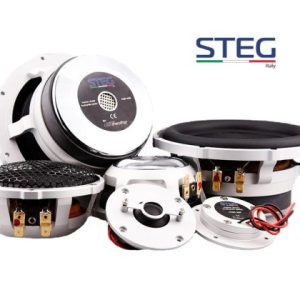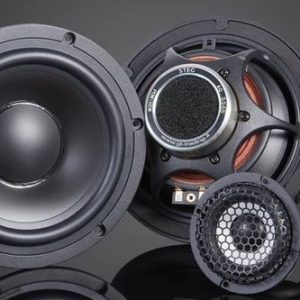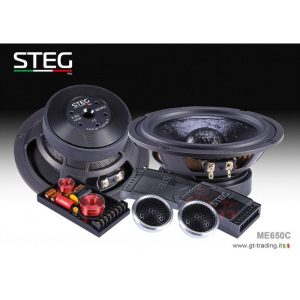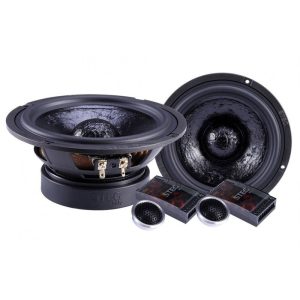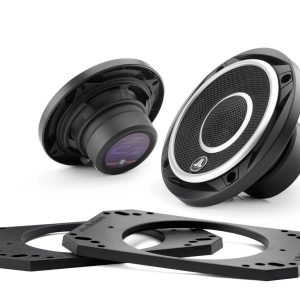
Steg SE 650C Component Speaker System
380,00 €
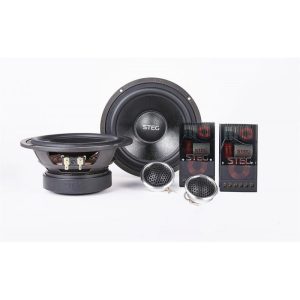
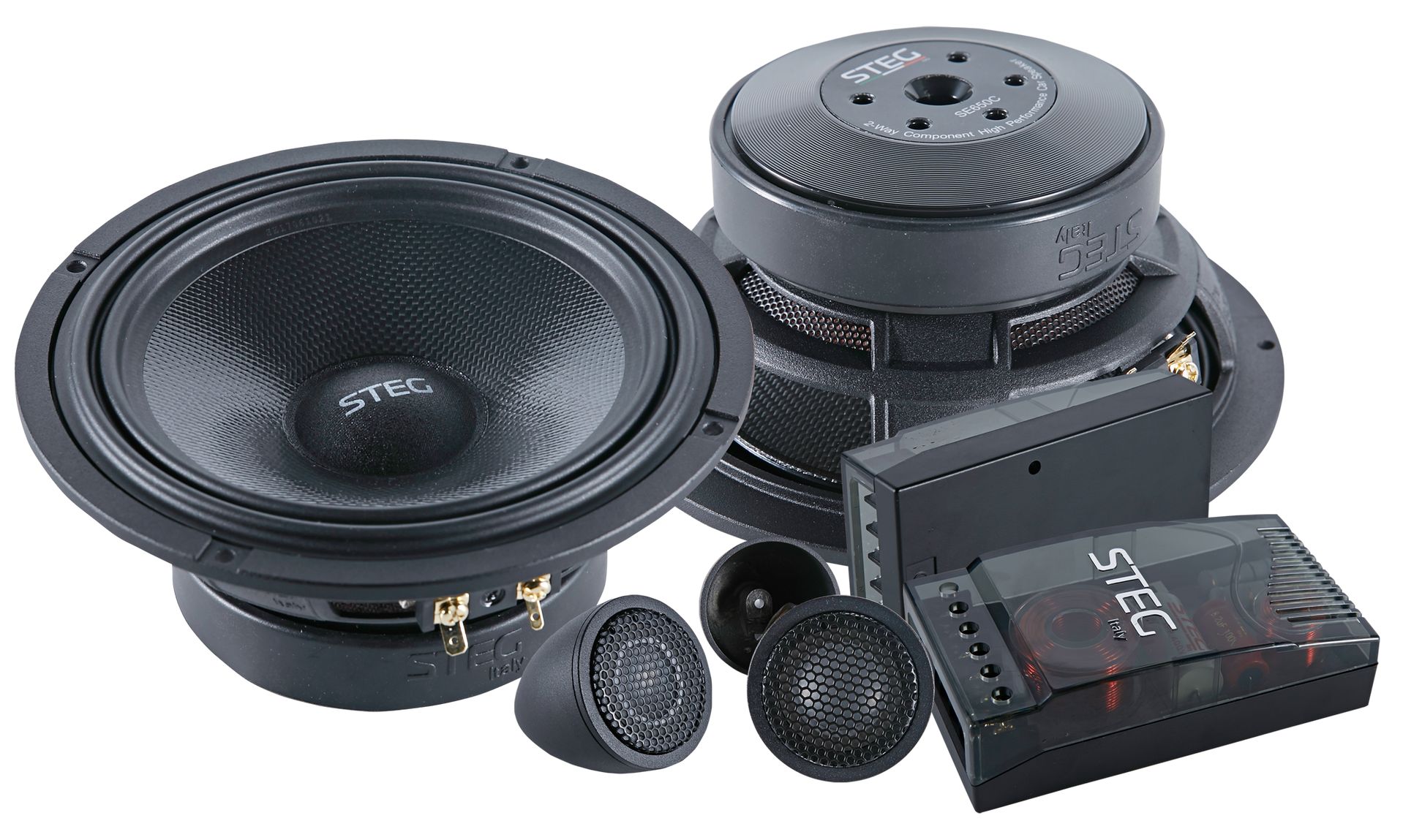
Steg SE 650C is a two-way component speaker system for in-car audio installations. Its 80 W RMS rated power helps with amplifier selection, while the 2-ohm impedance requires a channel designed to handle this load. Separate reproduction of the frequency ranges provides greater flexibility when positioning the drivers and shaping the front soundstage.
Steg SE 650C component speaker system is designed for in-car audio installations. This two-way model belongs to the Hi-Fi segment. It has a rated power handling of 80 W RMS and a nominal impedance of 2 ohms. These are the two most important specifications to consider when choosing an amplifier and planning how the system will be connected.
Two-Way Speaker System for In-Car Audio
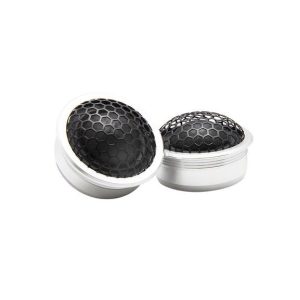
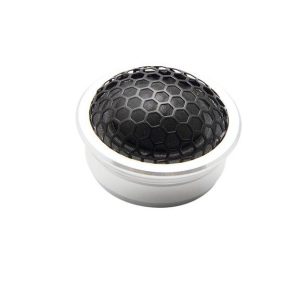
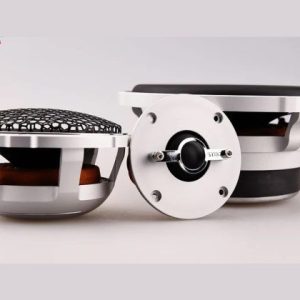
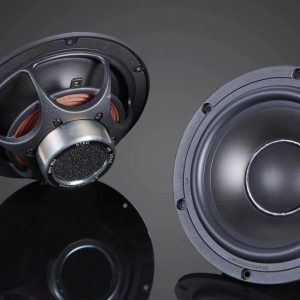
A component speaker system separates low-frequency and high-frequency reproduction between dedicated drivers. The woofer is normally installed in a vehicle door or another prepared mounting position. The tweeter can be placed higher in the cabin, closer to the listeners’ ear level.
This arrangement gives you greater control over the front soundstage. Tweeter direction should not be chosen at random. Pointing a tweeter directly at the listener may produce an excessively bright sound. For a smoother result, the tweeters can be aimed toward the opposite seat or toward a point between the two front seats. The final position should be assessed from both listening positions rather than from the driver’s seat alone.
Amplifier Selection and a 2-Ohm Load
The 2-ohm nominal impedance allows a compatible car amplifier to deliver more power. However, the amplifier specifications must clearly confirm stable operation into a 2-ohm load per channel. A power rating stated only for a 4-ohm load is not enough to confirm suitability for this system.
When selecting an amplifier, check its continuous power output at 2 ohms and compare it with the speaker system’s 80 W RMS rating. Maximum or peak power figures are not a suitable basis for matching an amplifier because they do not describe continuous operating conditions.
Use one amplifier channel for each side of the system and maintain consistent polarity throughout the installation. Reversing the positive and negative connections on one side can create a phase mismatch between the left and right channels. This may make centrally positioned vocals sound indistinct and can reduce the apparent strength of low frequencies.
Understanding the Power Ratings
The 80 W RMS figure is the rated power value relevant to normal, everyday operation. The 220 W MAX figure indicates the declared maximum power, not a continuous listening level. Volume should be increased only while the system continues to sound clean.
Audible harshness or a sudden loss of dynamics can indicate that the amplifier is being overloaded. If this happens, reduce the volume. The amplifier’s gain or sensitivity control is not an additional volume control. Its purpose is to match the amplifier input to the output level of the head unit or audio processor.
Installation and Initial Setup
The preparation of the vehicle doors has a major influence on the final result. Each speaker needs a rigid mounting point, and the mounting ring must remain secure without movement. A poor seal against the mounting surface can reduce low-frequency energy and may introduce unwanted noises.
Before installation, check the movement areas of the window glass, window mechanism, and interior trim. Neither the speaker nor its terminals should obstruct these parts. Secure the cables so that they cannot be pinched by the trim or come into contact with moving mechanisms.
The frequency division must protect each driver from frequencies it is not intended to reproduce. If an amplifier or processor filter is being used, begin with a moderate setting. Then listen for distortion as the volume is increased. The exact filter point depends on the mounting position and the rest of the system.
After installation, first balance the output of the left and right sides. You can then adjust the tweeter level and the position of the soundstage. A bright tonal balance does not necessarily mean that more detail is being reproduced. In many cases, changing the direction of the tweeters is sufficient to achieve a better result.
Frequency Range and Sensitivity
The specified 28-25,000 Hz frequency range covers a broad part of the reproduced signal. However, the strength of the lowest frequencies inside a vehicle depends on the mounting position, the volume of the doors, and how well they are sealed. The stated lower frequency limit alone does not determine whether the system will need a subwoofer.
The 88 dB sensitivity measured under 1 W/1 m conditions helps when comparing electrical power requirements. This figure should be considered together with the 2-ohm impedance and the capabilities of the amplifier. Sensitivity values obtained under different measurement conditions cannot be compared directly.
Technical Specifications
| Model | Steg SE 650C |
|---|---|
| Product type | Two-way component speaker system |
| Segment | Hi-Fi |
| Rated power | 80 W RMS |
| Maximum power | 220 W MAX |
| Frequency range | 28-25,000 Hz |
| Sensitivity | 88 dB at 1 W/1 m |
| Nominal impedance | 2 ohms |
| Application | In-car audio system |
FAQ
What amplifier does this system require?
The amplifier must operate stably into a 2-ohm load per channel. Compare its continuous power output at this load with the system’s 80 W RMS rating.
Can it be connected to an amplifier intended only for 4-ohm speakers?
No, not if the amplifier does not support a 2-ohm load. Connecting a load that is too low may activate the amplifier’s protection circuit or cause the amplifier to overheat.
How can I recognize amplifier overload?
Harsh sound or a reduction in dynamics may indicate that the amplifier is being overloaded. Reduce the volume if you hear either of these symptoms.
Is this system suitable for a home stereo or home cinema setup?
It is designed for an in-car audio system. A home amplifier would be suitable only if each relevant channel can operate stably into a 2-ohm load.
Can I connect another speaker system as well?
Only if the total load on the channel has been calculated correctly. Connecting 2-ohm speakers in parallel may exceed the amplifier’s operating capabilities.
Where should the tweeters be installed?
They are best positioned higher than the door-mounted speakers. Choose their final direction by listening from both front seats.
Does the specified 28 Hz lower limit remove the need for a subwoofer?
Not necessarily. The audible low-frequency level is affected by door preparation, the quality of the mounting seal, and the selected filtering.