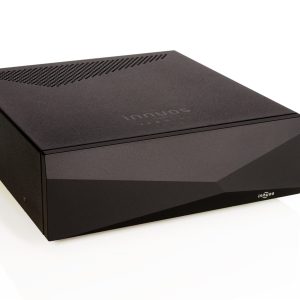
TAD DP-703 CD/SACD Player
The TAD DP-703 is a CD/SACD player designed for playing physical music discs through a home audio system. It is suitable for listeners with CD and SACD collections, allowing both formats to be used with one source component. The player connects to an amplifier or AV receiver with an appropriate audio input.
The TAD DP-703 CD/SACD player is designed for playing physical CD and SACD discs as part of a home audio system. It is a dedicated source component for listeners who keep their music collections on disc and want to enjoy them directly from the original physical media. The DP-703 is not an amplifier or a loudspeaker, so it must be used as part of a suitable audio playback system.
Purpose and choosing the right player
This model supports two optical disc formats: CD and SACD. A listener with music in both formats can therefore use one player for the entire compatible disc collection. There is no need to add a separate SACD player to the same system solely for SACD playback.
The player is intended for anyone who prefers to select an album and play it directly from a disc. Playback does not require a phone, a music application or an internet service. You only need the appropriate disc and a home audio system capable of receiving and reproducing the player’s signal. This makes the DP-703 a straightforward choice for a system centred on a physical music library rather than online music access.
Before choosing the player, consider the formats represented in your collection and how the source component will fit into your existing system. If you own CDs and SACDs that you want to play through the same setup, the dual-format design keeps the source arrangement simple.
Its place in the audio system and connection
The DP-703 serves as a source component. It reads the music from the disc and passes the audio signal to another part of the system, which then amplifies that signal and reproduces it through the loudspeakers. In a conventional stereo system, the player is used with a stereo amplifier. In a home cinema system, an AV receiver may accept the source signal instead.
The supplied information does not specify the connections available on the DP-703. For that reason, you should check the player’s outputs before choosing a cable and compare them with the inputs on your amplifier or AV receiver. The cable must have plugs that match the relevant connection on both devices. Do not assume that a particular cable type will be suitable without first checking the equipment at each end of the connection.
Connect the player to the amplifier or AV receiver before beginning playback. Once the components are connected, select the corresponding source input on the amplifier or receiver. Following this order makes initial setup clearer and helps avoid searching for a missing audio signal when the wrong input has simply been selected.
Because the player does not replace the amplification stage, it should be viewed as one part of the complete signal path. The disc provides the programme material, the DP-703 reads it, and the rest of the audio system handles amplification and loudspeaker playback.
Placement and everyday use
Place the unit horizontally on a stable piece of furniture. Allow enough room to insert and remove discs comfortably and to operate the player without obstruction. Avoid covering the player with objects that could make the disc-loading area or the controls difficult to reach during everyday use.
A practical location should let you change albums without moving the player or rearranging nearby equipment. The surface should remain level and secure so that the unit stays properly positioned while a disc is being loaded, played or removed.
Hold each disc by its edges and make sure it is clean before placing it in the player. Stop playback before removing the disc. This simple routine helps protect the physical medium and makes changing albums more convenient. Careful handling is particularly useful for a collection that is played regularly and intended to remain in use over time.
Technical specifications
| Model | TAD DP-703 |
|---|---|
| Device type | CD/SACD player |
| Disc formats | CD, SACD |
| Purpose | Playback of physical music discs in a home audio system |
FAQ
What is this player designed for?
It is designed for playing a CD and SACD music collection through a home audio system. It is a physical-media source component rather than a network-based music service.
What should I check before buying?
Confirm that your collection contains the CD and SACD discs you want to play. You should also check whether the connections on the DP-703 are suitable for the inputs available on your audio system.
Does the player replace a stereo amplifier?
No. The player supplies the music signal, but an appropriate audio playback chain is still required to drive the loudspeakers. The DP-703 should therefore be connected to suitable amplification rather than treated as a complete system on its own.
How do I add it to a stereo system?
Connect the player to a stereo amplifier with a suitable audio input. On the amplifier, select the same input used for the source connection. The amplifier can then receive the signal from the disc player and pass it through the rest of the system.
Can it be used in a home cinema system?
Yes, provided that an output on the DP-703 is compatible with an audio input on the AV receiver. In this arrangement, the DP-703 functions as the system’s disc source.
What cable is required for connection?
The required cable type cannot be determined from the supplied information. Before purchasing a cable, check the outputs on the DP-703 and the available inputs on the stereo amplifier or AV receiver. The selected cable must suit both components.
Where should the player be placed?
Choose a stable, horizontal surface. Leave sufficient space around the unit to insert and remove discs and to reach the controls comfortably. The player should remain readily accessible for normal operation and album changes.