
Eiji Oue & Minnesota Orchestra: Copland 100 Album
20,00 €
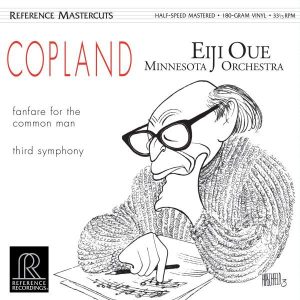
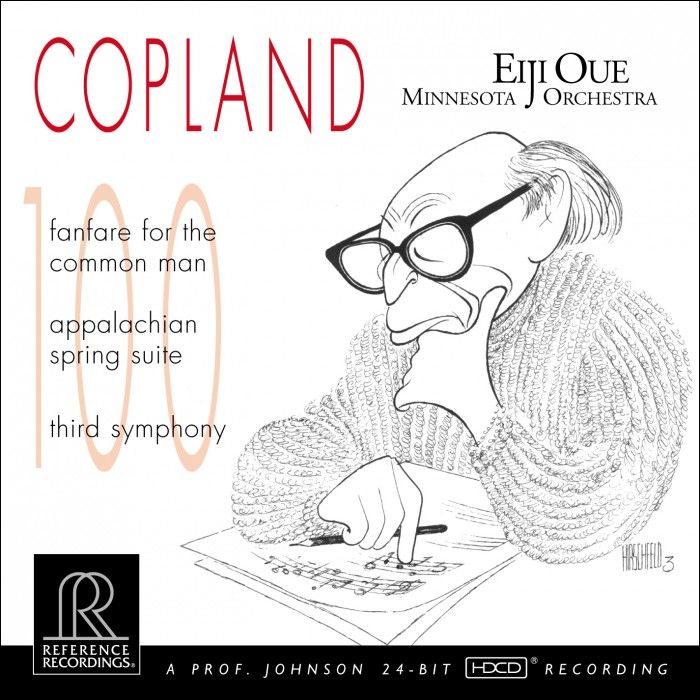
Eiji Oue & Minnesota Orchestra: Copland 100 is a classical orchestral music album for listeners interested in Copland’s work. Its programme includes “Fanfare for the Common Man”, “Appalachian Spring Suite” and the Third Symphony. The Third Symphony is presented in its four listed movements. Eiji Oue conducts the Minnesota Orchestra.
Eiji Oue & Minnesota Orchestra: Copland 100 is a classical orchestral music album for listeners interested in Copland’s work. The Copland 100 album brings together a fanfare, a suite and a symphony in one programme. Eiji Oue conducts, and the Minnesota Orchestra performs the listed repertoire.
Album programme
The programme begins with “Fanfare for the Common Man”. It is followed by the “Appalachian Spring Suite” and then the Third Symphony. The suite and the symphony are separate works, so the slash used between them in the original listing should not be understood as part of a single work’s title.
The Third Symphony is presented in its four listed movements.
Choice of repertoire
This album is suitable for listeners looking for different forms of Copland’s orchestral writing within one programme. When choosing between several albums devoted to the same composer, it is worth comparing not only their titles but also their exact programmes and performers. In this case, the main identifying details are the title “Copland 100”, conductor Eiji Oue and the Minnesota Orchestra.
If the Third Symphony is your main reason for considering the album, you can check the movement titles in the specifications table before purchasing. Listeners specifically seeking the fanfare or the suite can also use the table to confirm that both are included as independent parts of the programme.
Conductor and orchestra
The particular performance is identified by its combination of conductor and orchestra. Conductor Eiji Oue leads the Minnesota Orchestra. This matters when comparing recordings of the same repertoire, because the name of the work or composer alone does not identify a specific performance.
Within a collection, the album can be arranged by conductor, orchestra or the title “Copland 100”. Using a consistent cataloguing method will make this programme easier to find among other interpretations of Copland’s music. If you organise your collection by performer, consider using the same primary entry that you use for your other Minnesota Orchestra or Eiji Oue albums.
What to check before buying
The available information does not confirm whether the version offered is a physical or digital album. The release year, label, catalogue number, number of discs, audio encoding, packaging and running times are also unspecified. If any of these details affects compatibility with your system or the requirements of your collection, check the seller’s information for the specific copy or edition before ordering.
The album itself has no connections or playback controls. Those depend on the supplied medium and your player. It is therefore impossible to recommend a connection, input or playback mode without knowing the format of the particular edition. First make sure your equipment can play the version being offered, and then follow the instructions for your player and audio system.
Listening order and control settings
You can listen to the programme in the presented order or select an individual work. The easiest way to locate a movement of the Third Symphony is by its Italian tempo marking. Before listening, set a low initial volume. Turn off shuffle if you want to preserve the programme order and the sequence of the symphony’s movements, then gradually raise the volume to a comfortable listening level after playback has begun.
If your player includes repeat controls, use single-track repeat only when you deliberately want to hear the same selection again; it is unnecessary when listening through the complete programme. Tone controls or an equaliser can initially be left in a neutral position. Adjust them later to suit your loudspeakers, room and listening preferences, rather than basing settings on unconfirmed assumptions about this album’s audio format.
Room placement and system choice
When listening through loudspeakers, choose a seat between the left and right channels and try to keep the distance from each loudspeaker to the listener reasonably similar. Avoid placing one loudspeaker much closer to a corner than the other, as the room may alter the perceived balance between the channels. This is general stereo-system placement advice, not a technical specification of the album’s recording.
Use conventional two-channel playback on a stereo system if that is the signal provided by your chosen edition and player. With a home cinema system, do not automatically assume that the album is multichannel: the available product information does not specify the number of audio channels. You may select a receiver mode according to your system’s instructions, but that mode does not change the source format.
For a multiroom or multi-device system, first check whether the format of the particular edition can be sent to all the selected devices. Configure synchronisation, grouping and volume through the system’s app or controls. These functions depend on the playback equipment rather than on the album.
Who is this album for?
This album is intended for collectors of Copland’s orchestral music, recordings conducted by Eiji Oue or performances by the Minnesota Orchestra. It is also suitable for buyers seeking the particular programme identified by this title and these performers. Because the physical or digital format is not specified, make the final choice only after checking the medium supplied with the specific offer.
Technical specifications
| Product type | Classical orchestral music album |
|---|---|
| Album title | Copland 100 |
| Conductor | Eiji Oue |
| Orchestra | Minnesota Orchestra |
| Works in the programme | “Fanfare for the Common Man”, “Appalachian Spring Suite”, Third Symphony |
| Movements of the Third Symphony | “Molto Moderato”, “Allegro Molto”, “Andantino Quasi Allegretto”, “Molto Deliberato” |
FAQ
How is the album programme arranged?
It lists three separate works: “Fanfare for the Common Man”, “Appalachian Spring Suite” and the Third Symphony. The fanfare and suite are not movements of the Third Symphony.
Does the album include the complete four-movement Third Symphony?
The programme lists its four movements: “Molto Moderato”, “Allegro Molto”, “Andantino Quasi Allegretto” and “Molto Deliberato”.
Is this a physical or digital album?
The available product information does not specify the format. Before buying, check the medium included in the particular offer and confirm that it is compatible with your playback equipment.
Why are the conductor and orchestra names important?
They identify the selected performance of these works. This helps distinguish the album from other interpretations of Copland’s repertoire.
How can I catalogue the album in a music collection?
You can group it under Copland’s repertoire, conductor Eiji Oue, the Minnesota Orchestra or the album title “Copland 100”.
Who is this programme most relevant to?
It is most relevant to listeners seeking this particular album of Copland’s orchestral music performed by the Minnesota Orchestra under Eiji Oue.