
TAD ET-703a Horn Super Tweeter
3 900,00 €
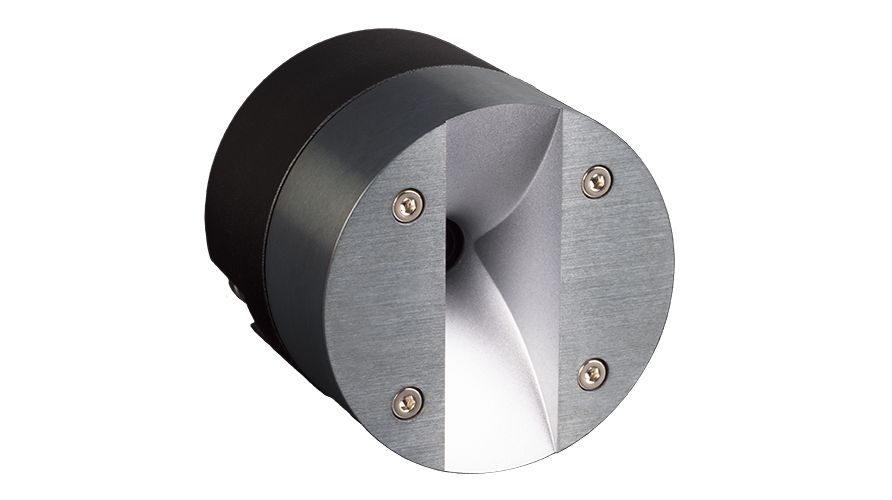
The TAD ET-703a is a horn super tweeter designed for integration into an audio system with a crossover. Its light pure beryllium diaphragm and rear-compression design support wide high-frequency reproduction. It can be fitted into a cabinet or mounted on top using the supplied flange. A crossover frequency of at least 5 kHz and a slope of at least 12 dB per octave are required.
The TAD ET-703a horn super tweeter is designed to reproduce the highest frequencies in an audio system with a suitable crossover. It is a rear-compression driver with a beryllium diaphragm, a nominal impedance of 8 ohms and a stated frequency range of 5,000 to 45,000 Hz. When planning a system around this model, the crossover and mounting position are the first things to consider.
What this driver is for
The ET-703a is a separate super tweeter that supplements the other drivers in a system. It is not a standalone speaker capable of reproducing the full range of music. Its high sensitivity, measured in an anechoic chamber, also matters when matching it with the other drivers. Listen to the balance at the intended listening position so that the highest frequencies do not become too prominent.
Diaphragm and sound path
The 35 mm pure beryllium diaphragm weighs 0.07 g. The diaphragm and its surround are joined by vacuum deposition, and the surround’s resonant frequency is above 50 kHz. This light diaphragm is designed for a fast response and wide high-frequency reproduction.
The diaphragm sits at the rear of the driver, while a hollowed-out pole yoke forms the sound path. This rear-compression design helps align phase in the highest frequency range. It also reduces the effect of vibrations in the diaphragm surround on the reproduced sound.
The phase-alignment insert has three slots spaced approximately 5 mm apart. Their surfaces are machined to a tolerance of 20 μm. These details are intended to support more even sound propagation at high frequencies. The stated reproduction range extends to 45 kHz; that figure describes the frequency range and should not be confused with the surround’s resonant frequency.
Voice coil and magnetic system
The edge-wound voice coil uses anodized pure aluminium wire. Heat-resistant materials are used for its former and adhesive. Edge winding allows the conductor to occupy more of the magnetic gap, helping the driver achieve its stated sensitivity.
The magnetic system uses a samarium-cobalt magnet. The pole yoke and plate are made from electromagnetic soft iron with low carbon and impurity content. Together, these components form the magnetic system in which the voice coil operates.
Connection and crossover
This driver requires a crossover to limit the lower frequencies reaching it. Specify a crossover frequency of at least 5,000 Hz and a slope of at least 12 dB per octave. These are the starting limits for system design; the level of the super tweeter must also be considered alongside the other drivers.
The published power ratings apply under a particular crossover condition: a 5 kHz crossover frequency with a 12 dB-per-octave slope. Under that condition, the rated input power is 15 W and the maximum input power is 30 W. The maximum figure is not a continuous power rating for use without a crossover. Account for the driver’s nominal impedance when selecting the crossover and considering the load presented to the amplifier.
Mounting and system placement
The ET-703a can be fitted into a speaker cabinet or mounted on top of it with the supplied flange. Choose the arrangement before preparing the cabinet. Flush installation calls for a mounting opening of the specified diameter; top mounting calls for space for the flange and its fixings. In either arrangement, assess the driver’s position in relation to the other drivers from the listening position.
A stereo system has two channels. If you want a separate super tweeter on each, provide a driver and crossover circuit for each channel. The same principle applies to every home cinema channel in which the ET-703a is used. It is not intended to be connected directly to a woofer output.
Included parts and servicing
The package includes a mounting flange, mounting gasket, four hex socket screws, four washers and two cross-head wood screws. A hex key and operating instructions are also supplied. These parts support the stated mounting arrangements; a crossover is not among the listed contents.
The replacement diaphragm assembly is designated SXE-503. Diaphragm repairs should be carried out by a qualified specialist. This is relevant when planning long-term care, as the light beryllium diaphragm is a precision part of the driver.
Technical specifications
| Type | Rear-compression horn super tweeter |
|---|---|
| Diaphragm and surround | Pure beryllium; joined by vacuum deposition |
| Diaphragm diameter and mass | 35 mm; 0.07 g |
| Surround resonant frequency | Above 50 kHz |
| Phase-alignment system | Three-slot, rear-compression type |
| Slot spacing and surface tolerance | Approximately 5 mm; 20 μm |
| Voice coil | Edge-wound anodized pure aluminium wire |
| Voice coil diameter | 35 mm |
| Coil former and adhesive | Heat-resistant materials |
| Magnet | Samarium-cobalt |
| Pole yoke and plate | Electromagnetic soft iron with low carbon and impurity content |
| Magnetic flux density | 2.0 T |
| Nominal impedance | 8 ohms |
| Frequency range | 5,000-45,000 Hz |
| Rated input power | 15 W with a 5 kHz crossover frequency and 12 dB-per-octave slope |
| Maximum input power | 30 W with a 5 kHz crossover frequency and 12 dB-per-octave slope |
| Sound pressure level | 107 dB at 1 W and 1 m, measured in an anechoic chamber |
| Required crossover | Frequency of at least 5,000 Hz and slope of at least 12 dB per octave |
| Mounting baffle opening | 81 mm diameter |
| Four-screw mounting pitch | 98 mm |
| Dimension for fixing to a cabinet with two wood screws | 25 mm |
| External dimensions | 80 mm diameter × 74 mm depth |
| Weight | 1.1 kg |
| Included parts | 1 flange, 1 gasket, 4 hex socket screws, 4 washers, 2 cross-head wood screws, 1 hex key, 1 set of operating instructions |
FAQ
Can I connect it directly to an amplifier?
No. A crossover must be placed before the driver to limit the lower frequencies it receives. Turning down the amplifier does not replace that filter.
What crossover should I choose for the ET-703a?
Choose one with a crossover frequency of at least 5 kHz and a slope of at least 12 dB per octave. Keep those conditions in mind when assessing the published power ratings.
Does the driver have to be fitted into a speaker cabinet?
No. It can also be mounted on top of a cabinet using the mounting flange. Your chosen method determines how the mounting position needs to be prepared.
Is one driver enough for a stereo system?
A stereo system has two channels. If you want to add the highest frequencies to both, plan for a separate driver and crossover for each channel.
Is it suitable for a home cinema system?
It can be integrated into an individual channel when a suitable crossover has been designed for that channel. Its 8-ohm nominal impedance alone does not mean it can be connected to any receiver output.
How should I assess its level alongside other drivers?
The stated 107 dB level was measured at a distance of 1 m in an anechoic chamber. When balancing the system at the listening position, check that the high frequencies do not overpower the rest of the range.
What happens if the diaphragm is damaged?
The SXE-503 diaphragm assembly is replaced. Entrust this work to a qualified specialist, as the assembly requires precise installation.